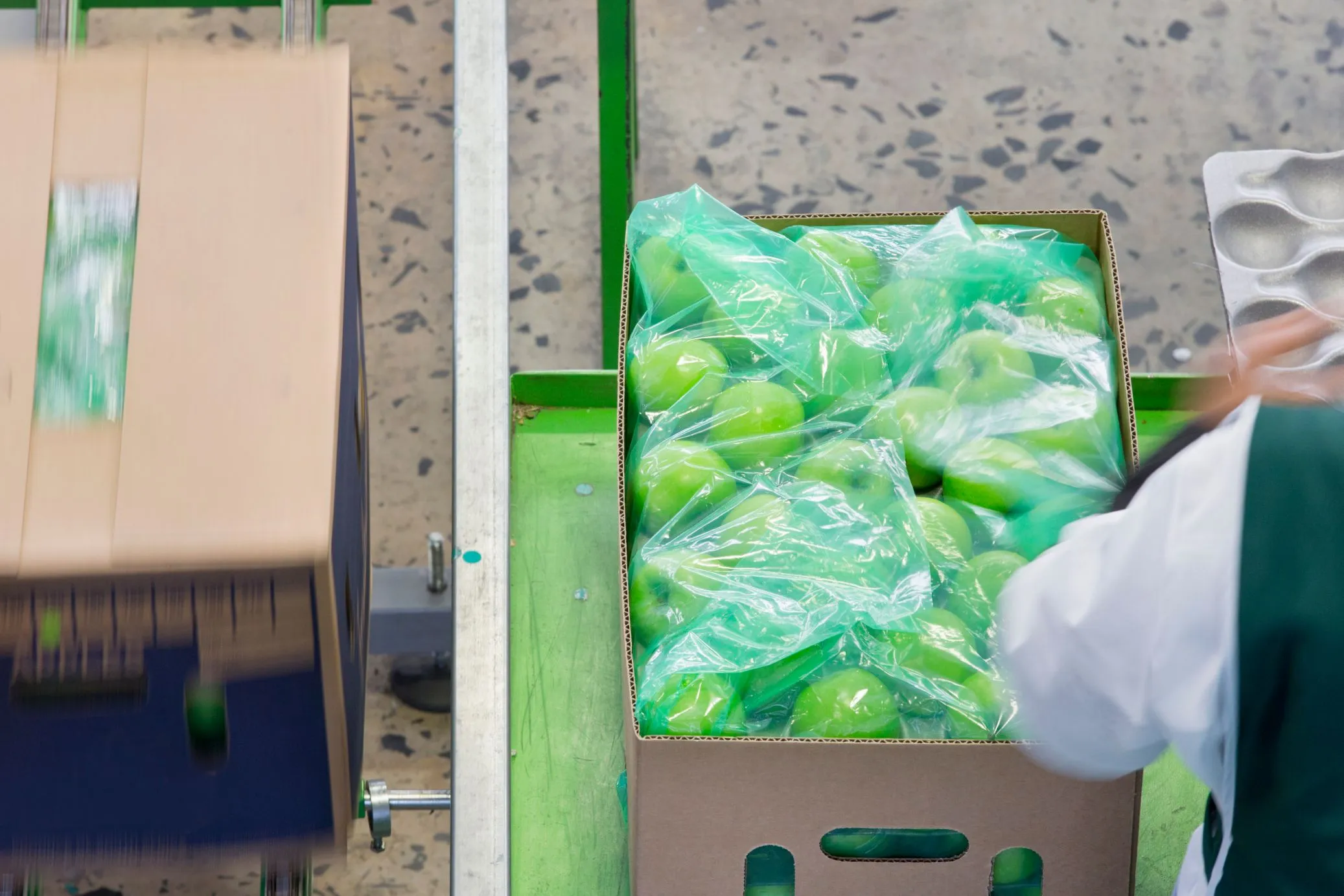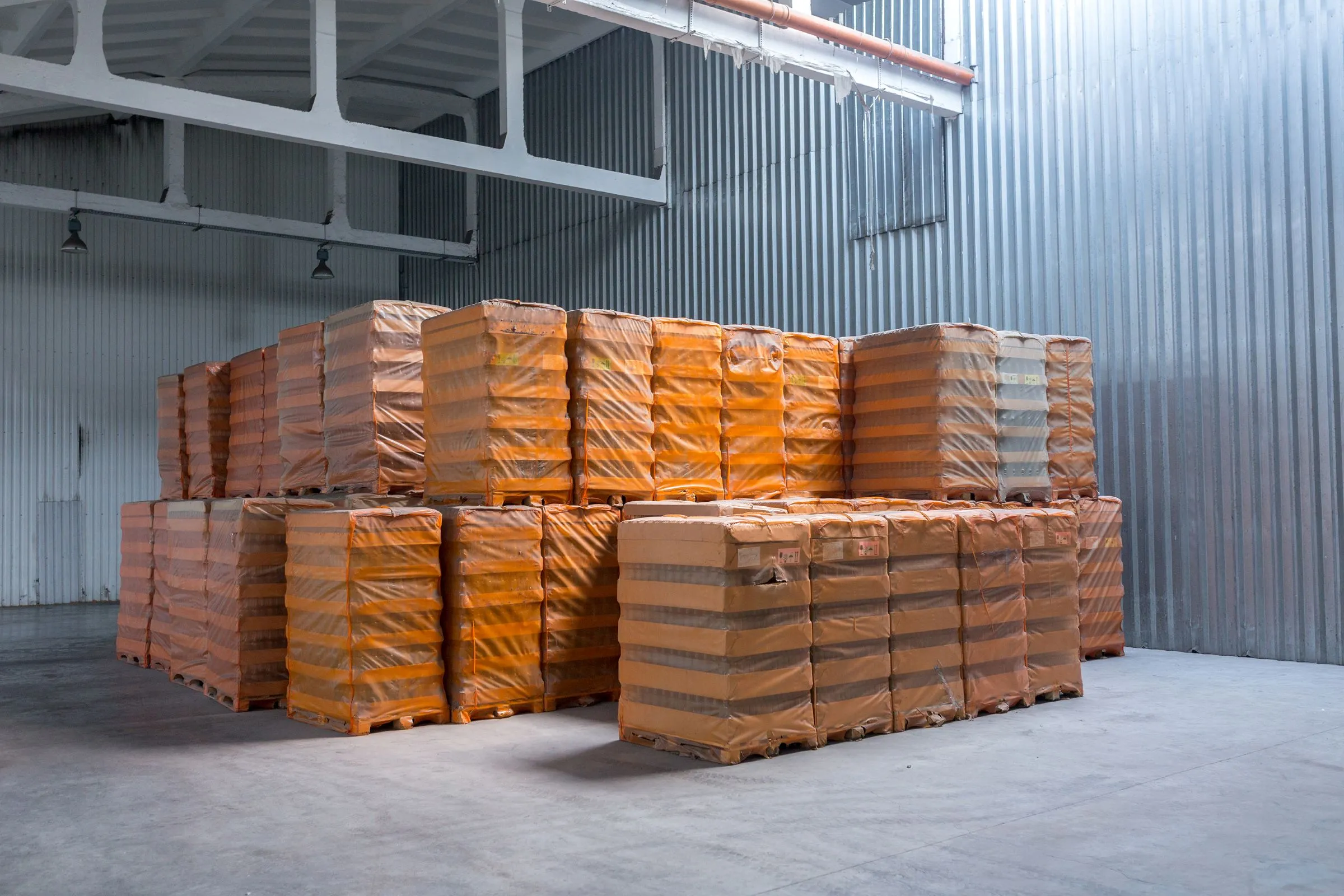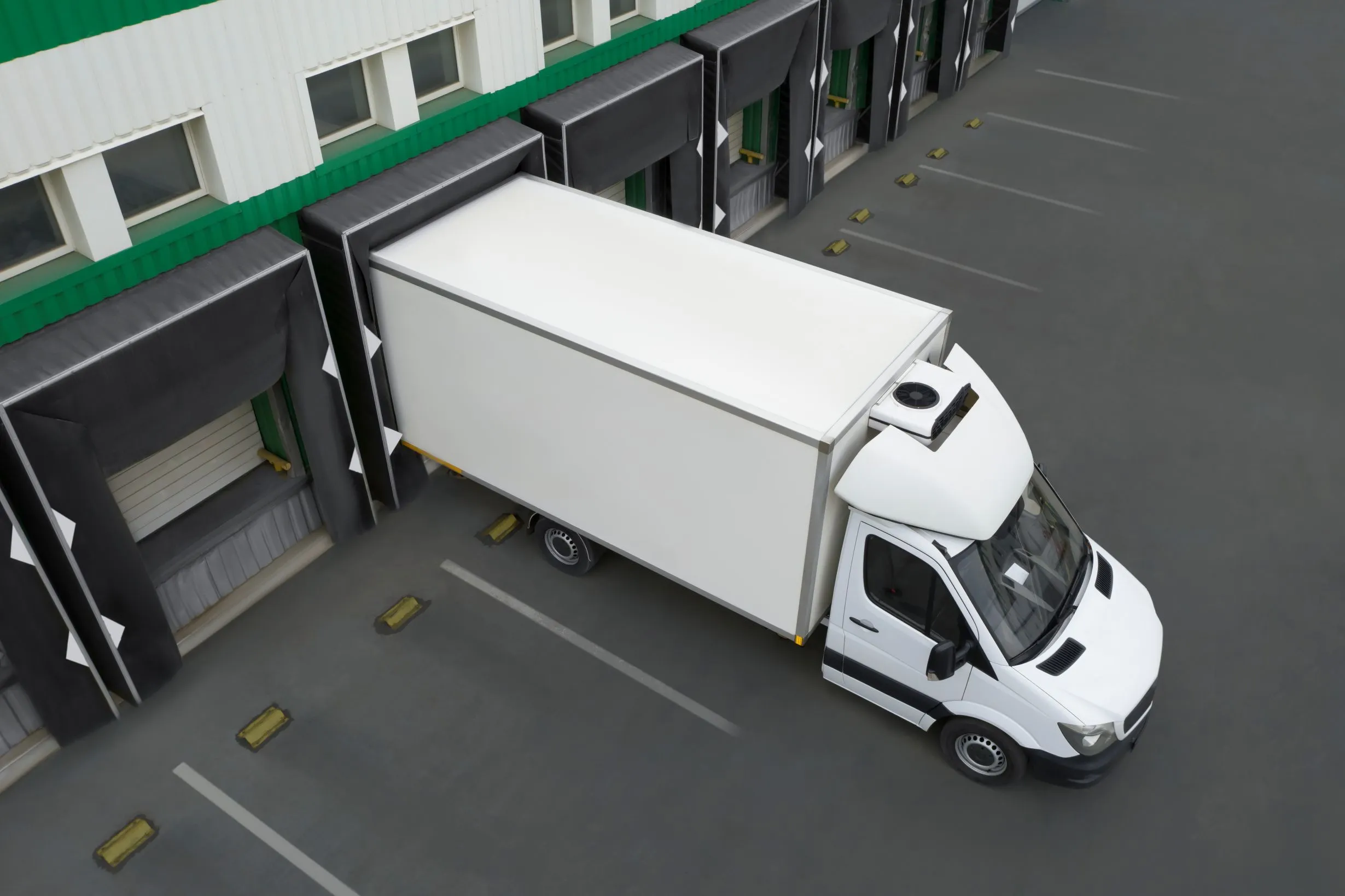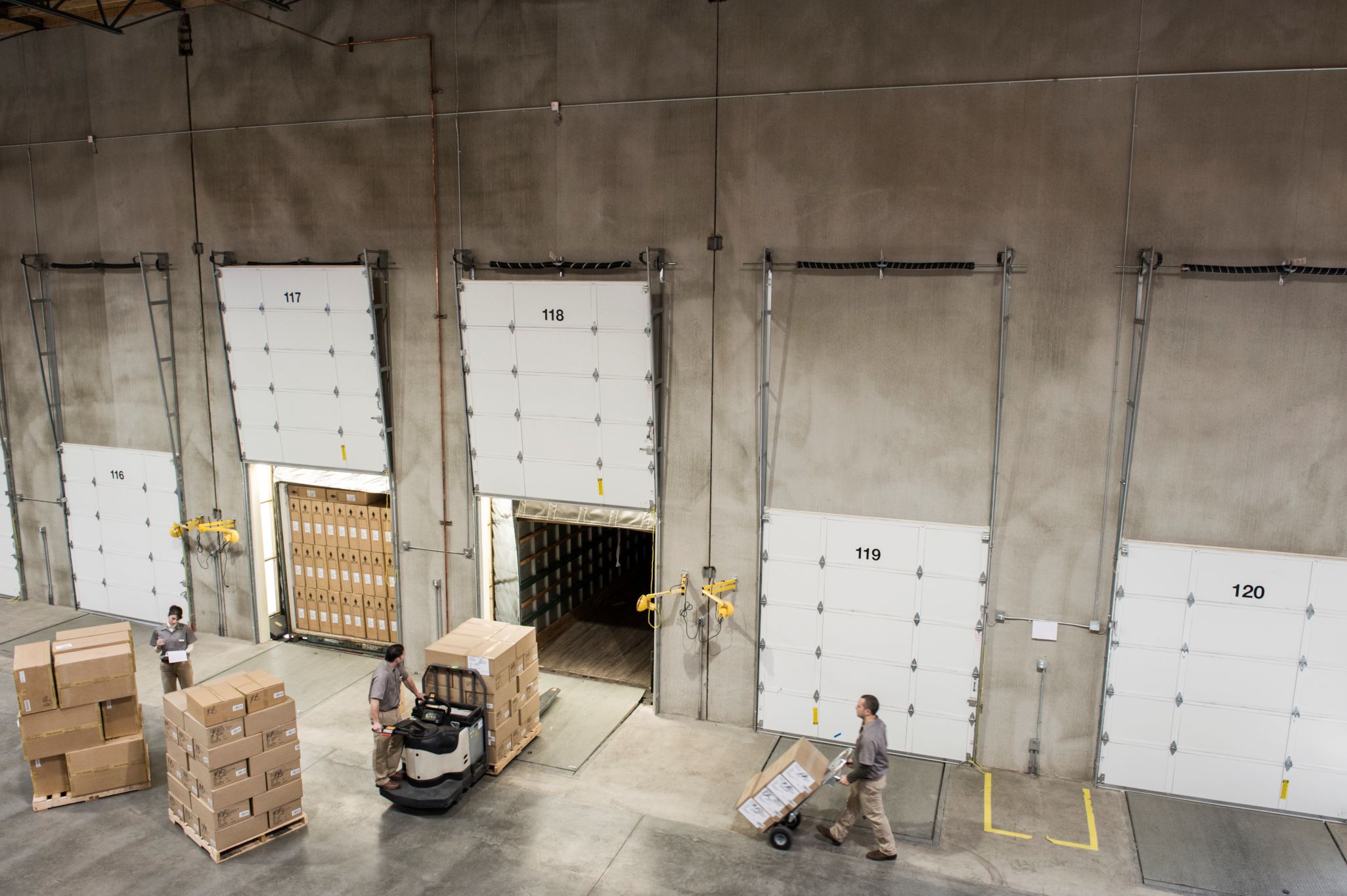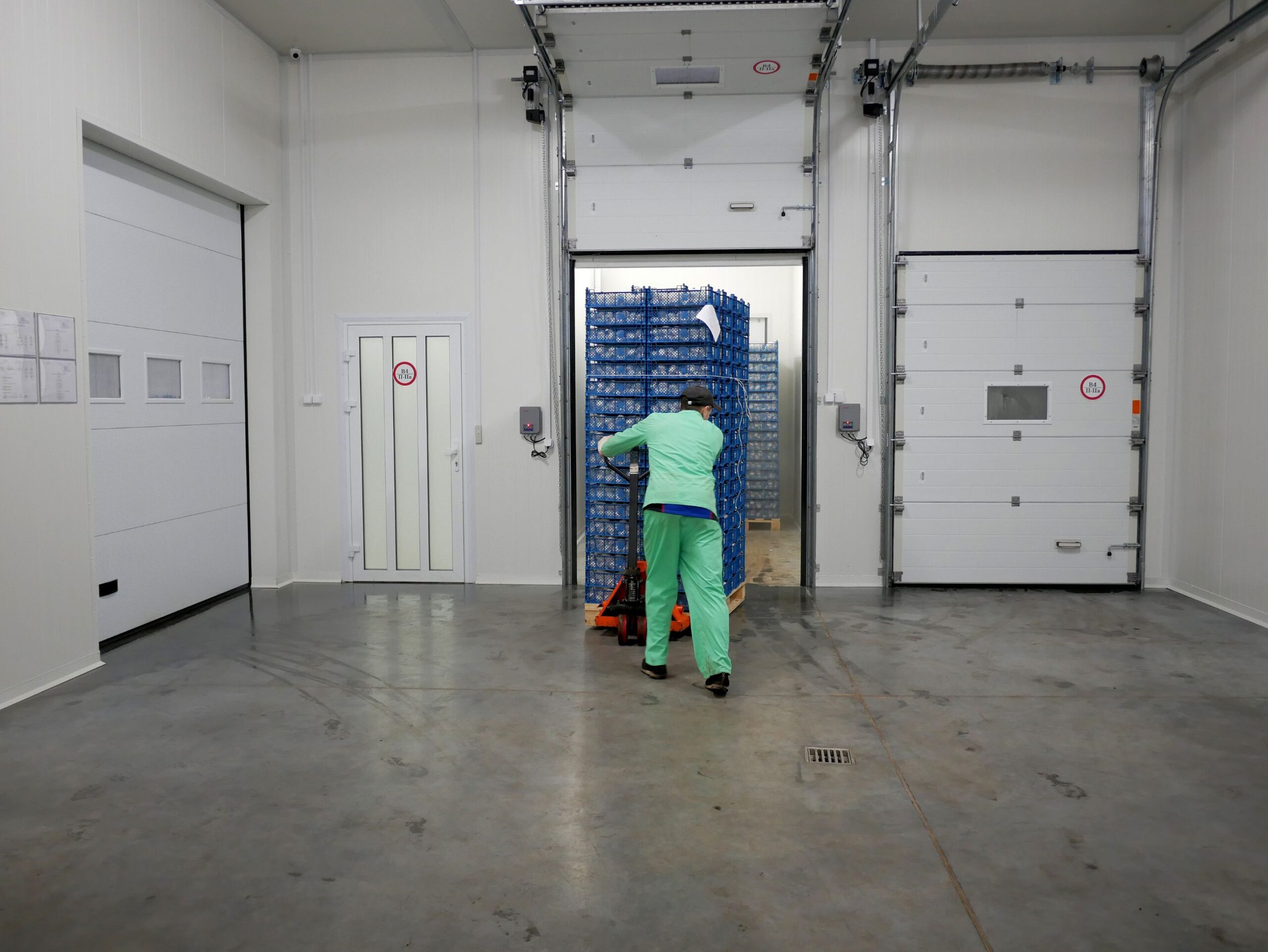
The journey of our food from farm to table is a complex ballet of timing, temperature, and technology. For perishable goods like fresh produce, pharmaceuticals, and other temperature-sensitive products, this journey relies on the cold chain—an uninterrupted, temperature-controlled supply chain. As we look toward the near future, the systems that protect these goods are undergoing a profound transformation. The 2026 Cold Chain Technology Forecast reveals a landscape driven by sustainability, powered by artificial intelligence, and connected by the Internet of Things (IoT).
This evolution isn’t just about keeping things cold; it’s about making the entire process smarter, more efficient, and significantly more sustainable. For businesses in the food, pharmaceutical, and logistics sectors, understanding these coming changes is not just beneficial—it’s essential for survival and growth. We will explore the key technological advancements set to redefine the cold chain by 2026, from real-time monitoring to eco-friendly refrigerants and automated warehouse solutions.
The Rise of Smart, Connected Cold Chains
The days of passive temperature logging are numbered. The future is active, predictive, and transparent, thanks to the integration of IoT sensors and advanced data analytics. By 2026, the cold chain will feature a fully connected ecosystem where every pallet, container, and vehicle communicates its status in real time.
IoT and Real-Time Visibility
At the heart of this transformation are sophisticated IoT sensors. These small, powerful devices do more than just record temperature. They monitor a range of environmental conditions, including humidity, light exposure, shock, and atmospheric pressure. Embedded within shipments, these sensors continuously transmit data to a central cloud platform, providing unprecedented visibility across the entire supply chain.
This constant stream of data allows for immediate intervention. Imagine a refrigerated truck’s cooling unit begins to fail mid-journey. Instead of discovering spoiled goods upon arrival, the system alerts the logistics manager instantly. Calculate a new route to the nearest repair facility or dispatch a replacement vehicle to save the entire shipment. This level of proactive management minimizes waste and protects revenue. The global cold chain monitoring market is a testament to this trend, with significant growth projected as more companies adopt these solutions. This is a key part of the 2026 Cold Chain Technology Forecast.
Predictive Analytics Powered by AI
Gathering data is only the first step. The true power lies in its interpretation. Artificial intelligence (AI) and machine learning (ML) algorithms are turning this raw data into actionable intelligence. By analyzing historical data, weather patterns, traffic conditions, and real-time sensor readings, AI can predict potential disruptions before they happen.
For instance, an AI platform could identify a particular shipping lane that consistently experiences temperature fluctuations during certain times of the day. It can then recommend alternative routes or suggest adjustments to packaging to better insulate the product. Furthermore, AI optimizes load distribution, vehicle maintenance schedules, and energy consumption, leading to significant cost savings and improved efficiency. This predictive capability is a cornerstone of the emerging intelligent cold chain.
Sustainability: The Green Imperative
The environmental impact of the cold chain is a growing concern. Traditional refrigeration systems consume vast amounts of energy and often use refrigerants with high global warming potential (GWP). In response, the industry is making a significant pivot toward sustainability, a trend that will accelerate dramatically by 2026.
Eco-Friendly Refrigerants and Cooling Systems
Governments and international bodies are phasing out harmful hydrofluorocarbons (HFCs). This regulatory pressure is fueling innovation in alternative refrigerants. Natural refrigerants like ammonia (NH3), carbon dioxide (CO2), and hydrocarbons (HCs) are gaining traction. They have ultra-low GWP and offer excellent thermodynamic properties, making them both environmentally friendly and efficient.
Beyond the refrigerants themselves, the cooling technology is evolving. Magnetic refrigeration, which uses the magnetocaloric effect to create cold without vapor-compression cycles, is a promising alternative. While still in earlier stages of commercialization, its potential for energy savings and environmental benefits is immense. Expect to see more pilot programs and niche applications of such breakthrough technologies in the coming years. Innovations in this area are central to any credible 2026 Cold Chain Technology Forecast.
The Circular Economy and Reusable Packaging
Single-use packaging, from styrofoam coolers to plastic wrap, generates enormous waste. The shift towards a circular economy model is reshaping cold chain packaging. By 2026, high-performance reusable containers equipped with vacuum insulation panels and phase-change materials (PCMs) will become more common.
These advanced containers can maintain stable temperatures for days without external power, reducing the reliance on refrigerated vehicles for last-mile delivery. Companies like Loop are already pioneering models for reusable packaging in consumer goods, and the cold chain is following suit. These systems not only cut down on waste but also offer better product protection and long-term cost savings.
Automation and Robotics in the Cold Warehouse
The cold storage warehouse is the nerve center of the supply chain, and it’s getting a major upgrade. Automation is sweeping through these facilities, addressing labor shortages, improving safety, and boosting operational speed.
Automated Storage and Retrieval Systems (AS/RS)
Manually operating a forklift in a -20°F environment is challenging and inefficient. Automated Storage and Retrieval Systems (AS/RS) are changing the game. These systems use robotic cranes and shuttles to automatically store and retrieve pallets from high-density racks.
An AS/RS offers several key advantages:
- Space Optimization: It can store goods far more densely than conventional racking, maximizing warehouse capacity.
- Energy Efficiency: By minimizing the size of the refrigerated space and reducing the frequency of door openings, AS/RS can lower energy consumption by up to 40%.
- Accuracy and Speed: Automation eliminates human error in picking and placement, leading to near-perfect inventory accuracy and faster order fulfillment.
As e-commerce and the demand for frozen foods continue to grow, the efficiency gains from AS/RS will make them a standard feature in new cold storage facilities. This part of the 2026 Cold Chain Technology Forecast points to a more efficient future.
Robotic Picking and Sorting
Beyond storage, robots are also taking on the intricate tasks of picking, sorting, and packing orders. Vision-guided robotic arms can identify different products, handle them gently, and assemble orders with precision and speed. These robots can operate 24/7 in freezing temperatures without breaks, dramatically increasing throughput.
This automation reduces the need for human workers to endure harsh, sub-zero conditions, improving workplace safety and allowing employees to move into higher-value roles like system supervision and maintenance. Organizations like the International Association for Cold Storage Construction provide resources and standards for building these next-generation facilities.
The Final Mile: Data-Driven and Dynamic
The last leg of the journey, “the final mile,” is often the most complex and costly part of the cold chain. Delivering temperature-sensitive items directly to consumers or businesses presents unique challenges. Here, too, technology is providing innovative solutions.
Smart Mobile Refrigeration Units
For smaller, more frequent deliveries, a new generation of smart, portable refrigeration units is emerging. These can be placed in standard delivery vans, turning any vehicle into a temporary refrigerated transport. Powered by efficient battery technology and monitored by IoT sensors, they provide a flexible and scalable solution for last-mile delivery of groceries, meal kits, and pharmaceuticals. This flexibility is a critical component of the 2026 Cold Chain Technology Forecast.
Dynamic Routing and Delivery Optimization
The same AI that optimizes long-haul routes is being applied to the final mile. By analyzing traffic, delivery time windows, and vehicle capacity in real-time, dynamic routing software ensures that drivers take the most efficient path. This not only speeds up delivery but also reduces fuel consumption and vehicle emissions.
Furthermore, these platforms enhance customer communication, providing precise ETAs and delivery notifications. This transparency improves the customer experience and reduces the likelihood of failed delivery attempts, which is especially critical for perishable goods.
Blockchain for Trust and Transparency
While IoT provides visibility, blockchain technology provides integrity. A blockchain is a distributed, immutable ledger that can securely record every transaction and handoff in the supply chain.
By 2026, we will see wider adoption of blockchain to create a single, verifiable record of a product’s journey. Each time a shipment is scanned—at the farm, at the processing plant, upon loading, and at the retail store—a new entry is created on the blockchain. This creates an unchangeable audit trail that can be accessed by all authorized parties.
This has profound implications for food safety. In the event of a contamination outbreak, a product can be traced back to its source in minutes, not days. This allows for targeted recalls, preventing widespread illness and protecting brand reputation. For consumers, it offers the ability to scan a QR code and see the complete history of their food, building trust and brand loyalty. Leading companies like IBM Food Trust are at the forefront of this movement.
Conclusion: Preparing for a Smarter, Greener Future
The 2026 Cold Chain Technology Forecast paints a clear picture: the future of fresh is intelligent, sustainable, and highly automated. The convergence of IoT, AI, advanced robotics, and blockchain is set to create a cold chain that is not only more efficient and resilient but also more responsible. These technologies will work in concert to reduce waste, lower energy consumption, enhance food safety, and ensure that temperature-sensitive products arrive in perfect condition.
For businesses operating in this space, the time to prepare is now. Embracing these innovations is no longer a choice but a necessity for staying competitive. Investing in real-time monitoring, exploring sustainable cooling options, and planning for automation will be key to thriving in the rapidly evolving world of temperature-controlled logistics. The journey to 2026 is underway, and it promises a fresher, safer, and smarter future for us all.