February 14th represents more than just a celebration of romance. Behind every bouquet of red roses and every box of gourmet truffles lies a complex, high-stakes logistical operation. For logistics professionals and retailers, this holiday is the Super Bowl of perishables. The success of Valentine’s Day retail sales hinges almost entirely on the efficiency and reliability of cold chain shipping.
When a customer picks up a dozen roses, they expect vibrant petals and firm stems. When they open a box of chocolates, they expect a glossy finish, not a white, chalky residue. Delivering this level of quality requires a supply chain that operates with surgical precision under immense time pressure.
The Massive Scale of the Valentine’s Rush
To understand the logistical weight of this holiday, we have to look at the numbers. Billions of dollars are spent annually on Valentine’s Day gifts, with flowers and candy making up a massive portion of that expenditure. This sudden spike in demand creates a “logistics crush.” Unlike non-perishable goods that can be stockpiled months in advance in standard warehouses, flowers and chocolates have a strict expiration date.
The window for moving these goods is incredibly narrow. Roses, for example, are typically harvested in South America or Africa just weeks before the holiday. They must travel thousands of miles, clear customs, and reach distribution centers before finally arriving at a local florist. Throughout this entire journey, cold chain shipping protocols must be strictly followed. If the temperature fluctuates even by a few degrees, the product can be ruined before it ever reaches the shelf.
The Biology of Flowers: A Race Against Respiration
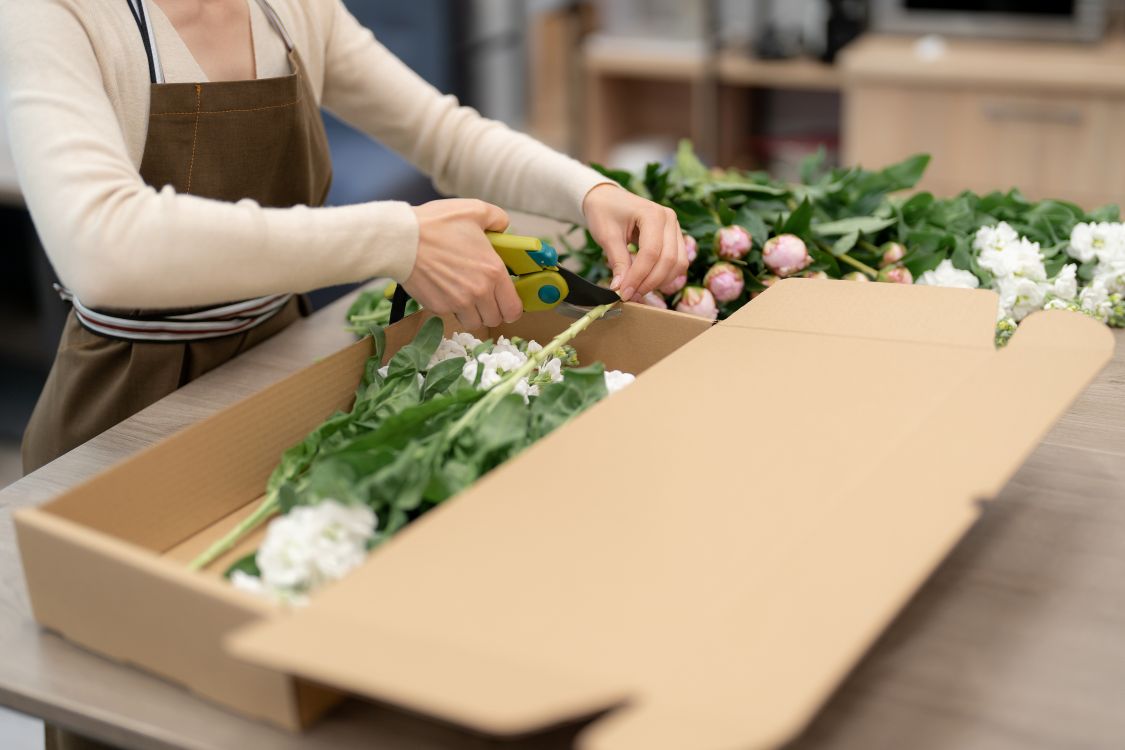
Fresh cut flowers are still living organisms even after they leave the soil. Once cut, they lose their source of water and nutrients, but they continue to “breathe” through a process called respiration. Respiration generates heat. If flowers get too warm, they respire faster, consume their stored energy, and wilt prematurely.
This is where cold chain shipping becomes the lifeline of the floral industry. The goal is to put the flowers into a state of suspended animation.
- Temperature Targets: Most flowers, particularly roses, need to be kept between 33°F and 35°F (0.5°C – 2°C).
- The “Cold Chain” Link: This temperature must be maintained from the moment of harvest (pre-cooling) to the refrigerated truck, onto the cargo plane, and back onto a truck for final delivery.
If a pallet of roses sits on a warm tarmac for just 30 minutes during a transfer, the internal temperature rises, waking the flowers up. This breaks the cold chain. Once that dormancy is broken, it is very difficult to reverse the aging process. This is why seamless cold chain shipping is non-negotiable for floral logistics.
For more on the science of floral respiration, you can read insights from the Produce Marketing Association.
Chocolate Logistics: The Battle Against the Bloom
While flowers need near-freezing temperatures, chocolates require a completely different climate profile. Shipping chocolate is a delicate balancing act. If it gets too hot, it melts. If it gets too cold, or if the temperature fluctuates too drastically, you risk “bloom.”
There are two types of bloom that chocolatiers fight against:
- Fat Bloom: This occurs when the cocoa butter separates from the cocoa solids and rises to the surface, creating gray streaks. This usually happens when chocolate warms up and then cools down slowly.
- Sugar Bloom: This happens when moisture comes into contact with the chocolate, dissolving the sugar crystals on the surface. When the water evaporates, it leaves behind white, gritty sugar crystals.
Because of these risks, cold chain shipping for chocolate does not mean freezing. It means “controlled room temperature,” usually between 55°F and 65°F (13°C – 18°C), with strict humidity controls.
Logistics providers cannot simply throw flowers and chocolates into the same refrigerated truck (reefer) and hope for the best. They require segmented transport or entirely different fleets. A reefer set to 34°F for roses would ruin a shipment of high-end truffles by causing them to become brittle or develop condensation (sweating) when brought back to room temperature. This necessity for segregated temperature zones complicates the cold chain shipping strategy for carriers moving mixed loads.
Critical Challenges in Holiday Cold Chain Operations
The sheer volume of goods moving in February exposes every weakness in the global supply chain. Logistics managers face a unique set of hurdles during this period.
1. Capacity Crunches
During the weeks leading up to Valentine’s Day, demand for refrigerated air cargo space outstrips supply. Cargo planes leaving major floral hubs like Bogota, Colombia, and Quito, Ecuador, are booked to capacity. Securing space requires planning months in advance. When capacity is tight, prices soar, and any delay in cold chain shipping connections can result in total product loss.
2. Customs Delays
Perishable goods do not have the luxury of sitting in a customs inspection hold for days. However, the influx of imports can create bottlenecks at major entry ports like Miami International Airport, which handles the vast majority of flower imports into the US. Logistics partners must ensure all paperwork is flawless to expedite clearance.
3. The Last-Mile Gap
The “last mile”—the delivery from the final distribution center to the retailer or customer—is often the weakest link in cold chain shipping. A package might travel perfectly from Colombia to a distribution hub in Ohio, only to sit in a non-refrigerated delivery van for four hours. This exposure can undo weeks of careful handling.
You can learn more about general supply chain capacity issues at Supply Chain Dive.
Technology and Innovation in Temperature Control
To mitigate these risks, the industry is turning to advanced technology. Modern cold chain shipping is no longer just about insulated boxes and ice packs; it is about data and visibility.
IoT and Data Loggers
Smart sensors and Internet of Things (IoT) devices are now standard in high-value perishable shipments. These devices travel inside the pallets and boxes, recording temperature, humidity, and even shock (dropping) in real-time.
- Real-time alerts: If a reefer unit fails or a door is left open, the logistics manager receives an alert immediately. This allows them to intervene before the cargo is spoiled.
- Accountability: These data logs provide an audit trail. If a shipment of roses arrives wilted, the data can pinpoint exactly where the cold chain shipping process failed—whether it was on the tarmac, in the truck, or at the warehouse.
Active vs. Passive Cooling
Innovation in packaging is also changing the game.
- Active Cooling: This involves powered systems, like refrigerated containers (Unit Load Devices or ULDs) used in air freight. They have internal batteries and thermostats to actively regulate temperature.
- Passive Cooling: This involves advanced insulation materials and Phase Change Materials (PCMs) that maintain a specific temperature range for days without power.
For e-commerce brands shipping chocolates directly to consumers, passive cooling innovation is vital. High-tech thermal liners and gel packs allow businesses to utilize standard ground shipping while maintaining a “virtual” cold chain.
Learn about the latest in packaging technology at Packaging Digest.
Maintaining the Chain: Best Practices for Logistics Managers
For businesses involved in Valentine’s commerce, reliance on cold chain shipping is absolute. However, simply hiring a refrigerated truck is not enough. Success requires a proactive approach to logistics management.
Pre-Cooling is Mandatory
The cold chain cannot cool down a hot product; it is designed to maintain temperature. Flowers and chocolates must be pre-cooled to their ideal travel temperature before they are loaded. Loading warm product into a cold truck forces the refrigeration unit to work overtime and creates temperature variances within the trailer.
Proper Airflow
Inside a shipping container or trailer, how the pallets are stacked matters. If boxes are stacked too tightly against the walls or ceiling, cold air cannot circulate. This creates “hot spots” where product degrades. Experienced cold chain shipping providers know that airflow is just as important as the thermostat setting.
Speed vs. Cost
In February, speed usually wins. While ocean freight is cheaper, the transit time is often too long for cut flowers. Air freight is the standard for long-haul floral transport. However, for chocolates, which have a longer shelf life, ocean freight with “reefer” containers is a viable option if planned well in advance. Choosing the right mode of transport is a critical cold chain shipping decision that balances freshness with profitability.
The Role of LCX Fresh in the Cold Chain
At LCX Fresh, we understand that we aren’t just moving boxes; we are moving emotions. When a customer orders a gift for a loved one, the logistics behind that delivery are invisible to them—until something goes wrong. Our focus is on making the logistics invisible by making them flawless.
Effective cold chain shipping requires a partner who understands the nuance between 34°F and 55°F. It requires a network that can handle the surge in volume without compromising on care. From utilizing data loggers to optimizing last-mile delivery routes, the goal is to ensure that the cold chain remains unbroken from the farm to the front door.
Conclusion
Valentine’s Day is a logistical marvel. It demonstrates the incredible capabilities of the modern supply chain to move delicate, living products across the globe in a matter of hours. The reliance on cold chain shipping cannot be overstated. It is the invisible thread that connects the flower fields of the equator to the hands of consumers worldwide.
As consumer expectations for freshness and quality continue to rise, the logistics industry must continue to innovate. Through better tracking, smarter packaging, and more efficient transportation networks, we can ensure that every rose arrives red and every truffle arrives perfect.
For more insights on global logistics trends, visit FreightWaves.
The complexity of moving flowers and chocolates under tight windows serves as a reminder: in the world of perishables, timing and temperature are everything. Whether you are a retailer preparing for the rush or a logistics manager overseeing the fleet, mastering cold chain shipping is the key to delivering love on time.