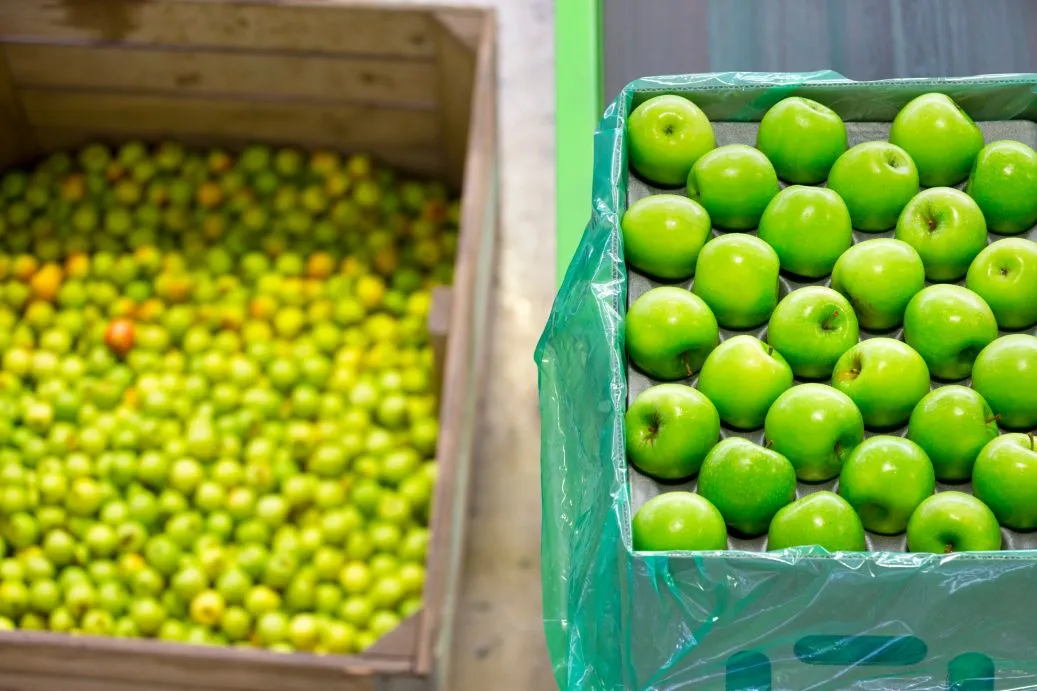
Export seasons in Latin America are defined by opportunity—and risk. Countries across the region supply a significant share of the world’s fresh fruits, vegetables, and specialty crops, but success during peak harvest windows depends heavily on cold chain planning. Without a coordinated logistics strategy that protects temperature-sensitive cargo from origin to destination, exporters face shrinkage, rejected shipments, and lost contracts.
Latin America’s geographic diversity allows year-round production, but seasonality still creates intense pressure on logistics networks. From mangoes in Mexico to blueberries in Peru and grapes in Chile, peak produce windows demand precise coordination between farms, packing houses, cold storage facilities, and international transportation partners. This is where professional cold chain planning becomes a strategic advantage rather than an operational afterthought.
Understanding Export Seasons in Latin America
Latin America is one of the world’s most important produce exporting regions, supplying North America, Europe, and Asia with fresh, high-value perishables. Export seasons are driven by climate, altitude, and regional growing cycles rather than a single harvest calendar.
Key examples include:
- Mexico & Central America: Avocados, mangoes, limes, berries
- Colombia & Ecuador: Bananas, flowers, exotic fruits
- Peru: Blueberries, grapes, asparagus
- Chile: Cherries, table grapes, stone fruit
These peak periods often overlap, creating congestion at airports, ports, and border crossings. Effective cold chain planning anticipates these bottlenecks and mitigates risk before product ever leaves the field.
For a country-by-country breakdown of seasonal production windows, see our Latin America Produce Export Calendar 2026: Complete Guide for Cold Chain Logistics.
Why Peak Produce Windows Increase Cold Chain Risk
Peak export seasons amplify every weakness in the logistics chain. Volumes spike, transit times tighten, and infrastructure is stretched to capacity. Without advanced cold chain planning, exporters face several critical challenges:
1. Temperature Deviations
Higher volumes increase handling frequency, raising the risk of exposure to ambient temperatures during loading, customs inspections, or transshipment.
2. Capacity Constraints
Refrigerated trucks, cold storage space, and temperature-controlled air cargo capacity become scarce during peak windows.
3. Documentation Delays
Seasonal surges often coincide with increased inspections and paperwork backlogs, extending dwell times outside controlled environments.
4. Market Sensitivity
Buyers expect consistent quality regardless of seasonality. Even minor temperature excursions can result in claims or contract penalties.
This is why cold chain planning must be proactive, data-driven, and tailored to each export season.
Building a Seasonal Cold Chain Strategy
Successful exporters treat cold chain planning as a seasonal discipline rather than a fixed process. Each produce window requires its own logistics blueprint.
Pre-Season Forecasting
Planning begins months before harvest. Exporters should align with logistics partners to forecast volumes, routes, and storage needs. Accurate forecasts allow carriers and handlers to allocate resources ahead of peak demand.
Cold chain planning at this stage includes:
- Estimating weekly export volumes
- Securing refrigerated transport capacity
- Reserving cold storage at origin and destination
- Mapping alternative routes in case of congestion
Origin Handling: Where Quality Is Won or Lost
The cold chain begins at harvest. Rapid pre-cooling and proper handling at origin are essential to extending shelf life and preserving quality during transit.
Pre-Cooling and Packing
Produce should be cooled to its optimal temperature immediately after harvest. Delays at this stage cannot be corrected later, no matter how advanced the downstream cold chain planning may be.
Key considerations include:
- Forced-air or hydro-cooling methods
- Temperature-controlled packing environments
- Proper packaging for airflow and insulation
Cold Storage Management
During peak seasons, cold storage facilities often operate at maximum capacity. Strategic cold chain planning ensures that storage locations are secured in advance and monitored continuously.
Transportation Mode Selection During Peak Seasons
Export seasons often require flexible multimodal strategies. Choosing the right transport mode is a cornerstone of effective cold chain planning.
Air Freight for High-Value Produce
Air cargo is frequently used for berries, cherries, flowers, and other high-value commodities with short shelf lives. During peak seasons, securing uplift capacity early is critical.
According to the International Air Transport Association, temperature-controlled cargo continues to grow as a percentage of total air freight volumes, highlighting the importance of specialized handling standards.
Ocean Freight with Reefer Containers
For larger volumes and longer shelf-life products, refrigerated containers offer cost efficiency. However, peak seasons can strain reefer availability at ports.
Cold chain planning for ocean freight includes:
- Verifying container pre-trip inspections (PTI)
- Monitoring power availability at terminals
- Planning buffer time for port congestion
The Food and Agriculture Organization emphasizes the role of refrigerated transport in reducing post-harvest losses globally.
Managing Cross-Border and Customs Challenges
Export seasons often coincide with increased inspection activity. Delays at borders can compromise product integrity if cold chain planning does not account for regulatory friction.
Documentation Readiness
Accurate and complete documentation minimizes inspection delays. Exporters should prepare phytosanitary certificates, commercial invoices, and temperature protocols well in advance.
Temperature Protection During Clearance
Cold chain planning must include contingency measures such as:
- Portable refrigeration units
- Priority clearance programs
- Access to bonded cold storage
The World Bank highlights logistics efficiency as a key factor in agricultural export competitiveness.
Visibility and Monitoring Across Peak Windows
Real-time visibility is no longer optional during export seasons. Advanced cold chain planning relies on data to identify and correct risks before losses occur.
Temperature Monitoring
Sensors and data loggers provide continuous temperature tracking throughout transit. Alerts allow logistics teams to intervene immediately if deviations occur.
Predictive Analytics
Historical data from previous seasons can be used to forecast risk points, optimize routes, and improve planning accuracy year over year.
According to GS1 standards, traceability and data transparency are critical for modern food supply chains.
Adapting Cold Chain Planning by Commodity
Not all produce behaves the same way. Effective cold chain planning is commodity-specific.
Fruits with Climacteric Behavior
Products like mangoes and avocados continue to ripen after harvest, requiring strict temperature control to manage respiration rates.
Berries and Soft Fruits
Highly sensitive to temperature fluctuations, these products demand uninterrupted cold chain integrity from field to shelf.
Flowers and Ornamentals
Often shipped by air, these commodities require precise humidity and temperature settings during peak Valentine’s Day and Mother’s Day seasons.
Sustainability and Cold Chain Efficiency
Export seasons also bring increased scrutiny around sustainability. Efficient cold chain planning reduces waste, energy consumption, and carbon emissions.
Strategies include:
- Optimizing load consolidation
- Reducing dwell times
- Using energy-efficient refrigeration technologies
Sustainable cold chains are not only environmentally responsible but also economically advantageous during high-volume seasons.
Turning Seasonality into a Competitive Advantage
Export seasons do not have to be chaotic. With structured cold chain planning, exporters can transform peak windows into predictable, profitable cycles.
Companies that invest in seasonal forecasting, infrastructure alignment, real-time visibility, and specialized handling outperform competitors who treat cold chain logistics as a reactive function. In Latin America’s dynamic produce export landscape, preparation is the difference between growth and loss.
Final Thoughts
Latin America’s export seasons present immense opportunity—but only for those prepared to manage the complexity they bring. Strategic cold chain planning ensures that temperature-sensitive products move efficiently through congested networks while maintaining quality and compliance.
As global demand for fresh produce continues to rise, exporters who master cold chain planning during peak produce windows will define the next generation of resilient, high-performance supply chains.