Transparency and efficiency are increasingly critical in the global supply chain, especially in the highly competitive food sector. For the perishable goods industry, these qualities are more than just buzzwords—in fact, they’re necessities. For example, whether it’s tracking seafood from the ocean to the plate or ensuring fruits arrive maximally fresh, issues like opacity, inefficiency, and food waste continue to pose monumental risks. Enter blockchain technology—a transformative tool revolutionizing the way we trace and manage perishable goods.
By providing real-time, tamper-proof tracking, blockchain ensures transparency, reduces spoilage, combats fraud, and strengthens consumer trust. This blog explores how blockchain in perishable goods is shaping the future of fresh food traceability.
Why Traceability Matters in Perishable Goods
Perishable goods, however, pose unique challenges because of their vulnerability to spoilage. Ensuring freshness is not just about maintaining quality—it’s about safety and trust. From farm to table or sea to plate, the inability to track a product’s provenance can lead to massive recalls, brand-damaging incidents, and regulatory complications.
For example:
- Food Safety – According to the WHO, unsafe food causes approximately 600 million cases of illness globally each year. Being able to trace contaminated products is critical to minimize health risks.
- Waste Reduction – The FAO reports that people waste one-third of all food produced globally, equivalent to 1.3 billion tons annually. Improved traceability could identify inefficiencies causing spoilage earlier.
- Fraud Prevention – Expensive commodities like seafood or organic produce are often prone to fraud. Blockchain helps authenticate product origins, helping ensure integrity in labeling and sourcing.
Improved traceability not only mitigates these problems but also builds consumer confidence. Blockchain, with its decentralized and immutable design, represents a powerful innovation to address these challenges.
What is Blockchain Technology?
At its core, blockchain is a distributed ledger system that records transactions across multiple nodes in a network. In addition, the blockchain stores data immutably, meaning no one can alter or delete it. As a result, this creates a digital audit trail that provides unparalleled transparency.
Key elements of blockchain that make it ideal for perishable goods traceability include:
- Decentralization: Eliminates reliance on a single authority.
- Transparency: Every participant in the supply chain can access real-time data.
- Immutability: Once data is recorded, it cannot be tampered with.
- Automation via Smart Contracts: Self-executing contracts automate processes when certain conditions are met.
For the perishable goods industry, these features translate into robust traceability systems capable of tracking items as they move from farm, processor, distributor, retailer, and ultimately to the consumer.
How Blockchain Enhances Perishable Goods Traceability
1. Real-Time Tracking
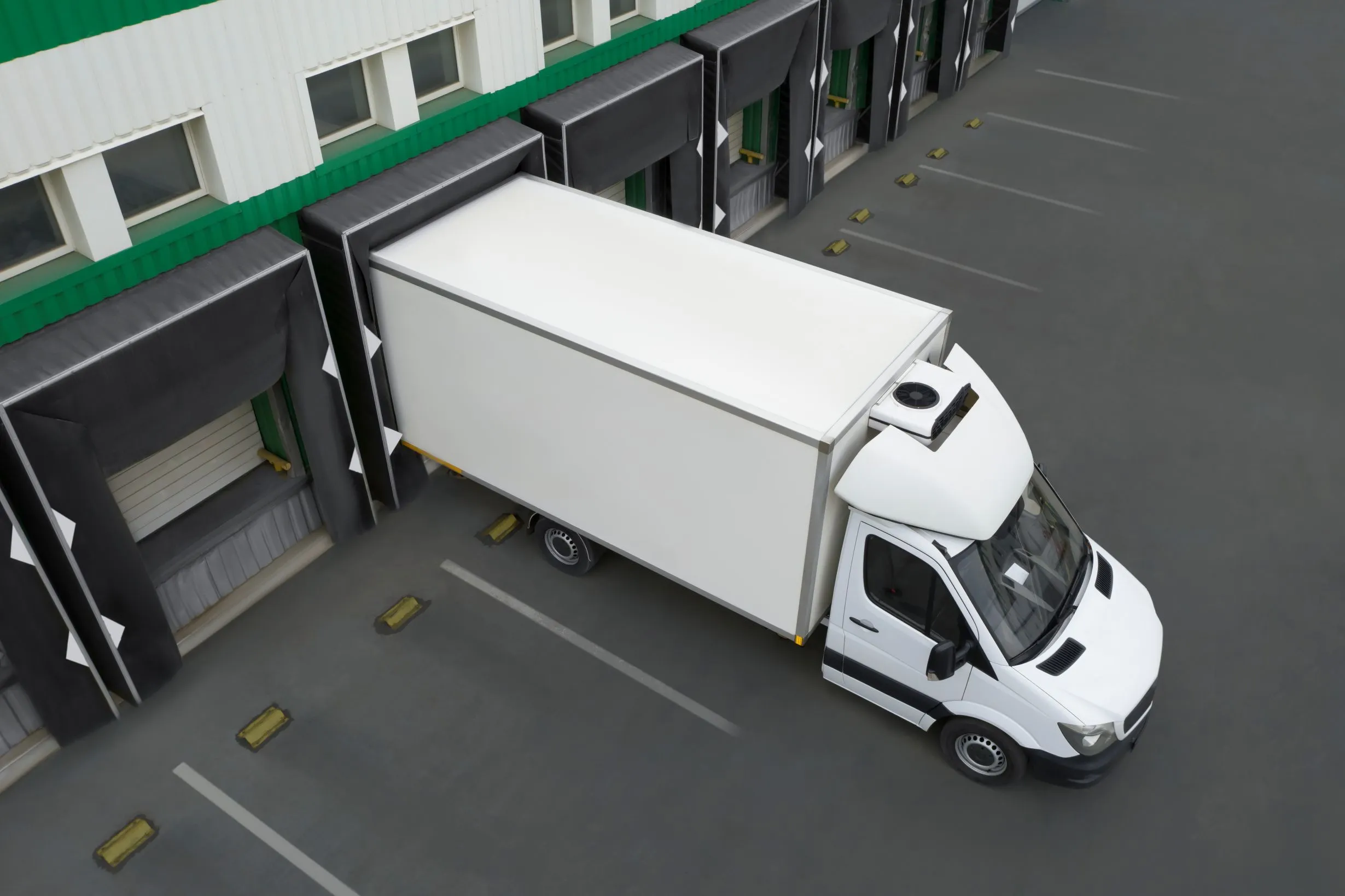
Blockchain offers real-time updates on a product’s location and condition as it moves through the supply chain. Sensors and IoT devices can collect data on temperature, humidity, and storage conditions, which is then logged into the blockchain. This ensures vulnerable items, like seafood or dairy, remain in optimal conditions.
For instance, if a container of salmon exceeds acceptable temperature thresholds while in transit, blockchain systems can trigger alerts for immediate corrective action.
2. Reducing Fraud and Mislabeling
Misrepresentation of products, such as false “organic” or “sustainably sourced” labels, erodes consumer trust. Blockchain enables producers to record precise information, such as harvest dates, certifications, and handling practices, directly onto the blockchain. Consumers can, in turn, verify these claims by scanning a QR code or accessing the product’s digital history.
Example: The wine industry already uses blockchain for verifying authenticity and certifications, proving how valuable the technology can be for other sectors.
3. Minimizing Waste Through Efficient Management
Spoiled perishables waste resources and negatively impact profits. Blockchain enables precise shelf-life estimation by closely monitoring goods through the supply chain. Retailers can use this data to adjust inventory strategies, avoid overstocking, and prevent premature spoilage.
Additionally, blockchain integrated with AI can perform predictive analysis, suggesting rerouting perishable items to areas with higher demand, thus avoiding waste.
4. Boosting Consumer Trust
Today’s consumers increasingly care about where their food comes from and how it’s handled. With the help of blockchain technology, customers can easily scan a QR code to access detailed product histories, thereby increasing confidence in their purchases. For example, companies adopting blockchain, such as Carrefour and Walmart, have noted that improving food traceability not only fosters greater consumer loyalty but also enhances transparency in the supply chain.
Outbound link suggestion—Walmart’s blockchain success in reducing food recall times showcases real-world applications of this technology.
5. Streamlined Recall Management
Traditional systems often drag out product recalls, exposing companies to liability and reputational risk. Blockchain simplifies this process by pinpointing affected goods instantly. Producers can isolate contaminated batches instead of recalling entire shipments, saving significant costs.
Outbound link to supportive case study—IBM Food Trust explains its rapid tracing benefits in food recalls.
The Impact Across Industries
Seafood and Fishing
The fishing industry suffers from overfishing, fraud, and sourcing transparency issues. Blockchain allows buyers to verify whether their seafood is wild-caught, farmed sustainably, or fresh. This has profound implications for consumer behavior and environmental sustainability.
Fruits and Vegetables
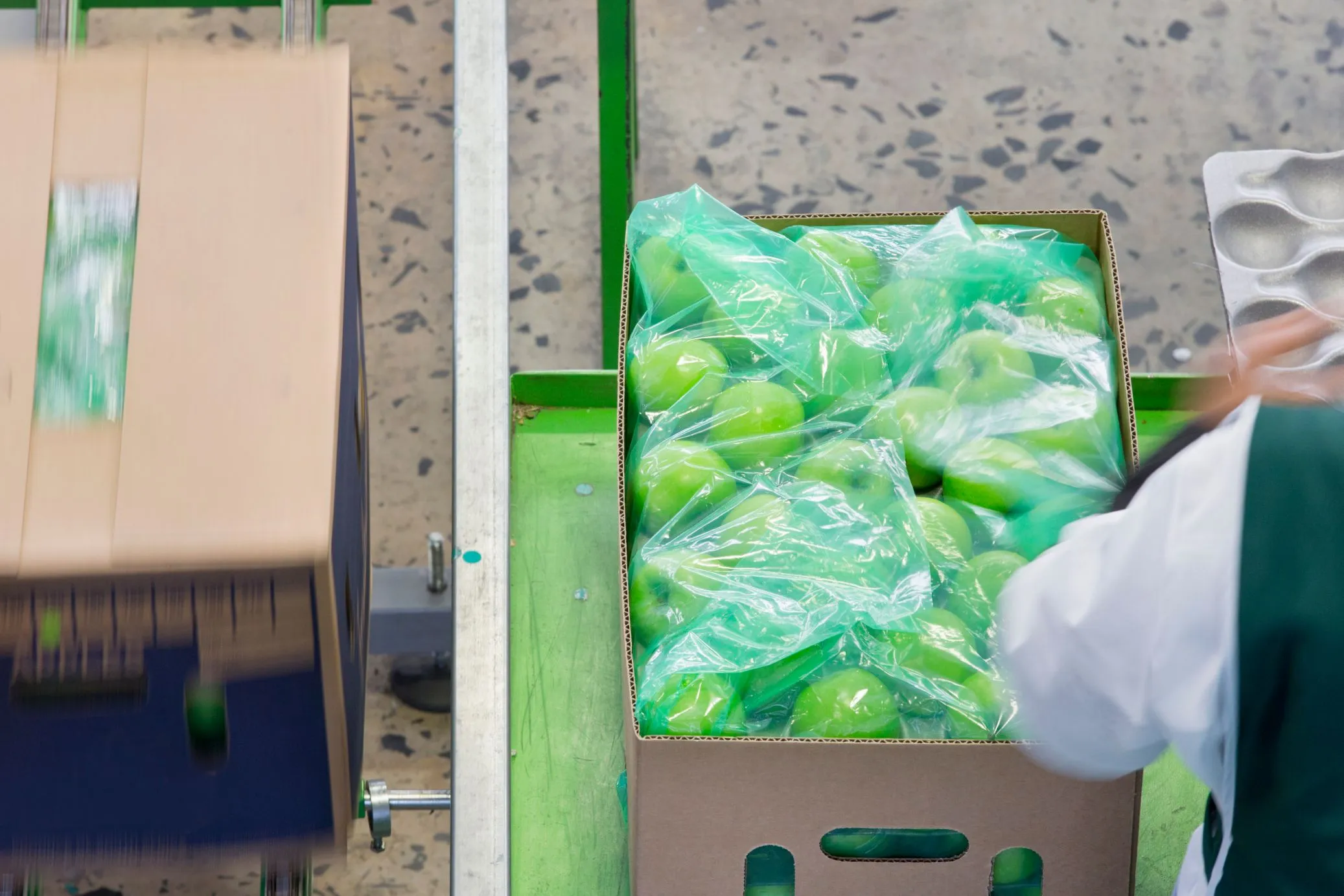
Whether imported mangoes or local lettuce, blockchain ensures fruits and vegetables are harvested, transported, and stored correctly while reducing the risk of spoilage.
Case study highlight—How Carrefour uses blockchain to boost the transparency of fresh produce.
Meat Industry
From preventing outbreaks of diseases like E. coli to verifying free-range certifications, blockchain reassures both regulators and consumers about the quality and safety of meat products.
Another outbound link—The meat industry’s adoption of blockchain for safety reasons.
Challenges and Future Opportunities
Although the potential is undeniable, certain barriers exist to widespread adoption of blockchain in perishable goods:
- High Initial Costs: Implementing blockchain systems involves expenses related to infrastructure, training, and integrations.
- Data Entry Accountability: Blockchain relies on accurate data input. Human error or fraudulent data still pose a risk.
- Interoperability Issues: Legacy systems across the supply chain may struggle to integrate with blockchain platforms.
That said, the future looks promising. Partnerships between blockchain innovators like IBM Food Trust and supply chain stakeholders are expanding access to this technology. Additionally, advancements in IoT and AI will continue to bolster blockchain-powered traceability systems.
Taking the Next Steps
For businesses in the perishable goods sector, the integration of blockchain is no longer a futuristic idea—it’s an opportunity waiting to be seized. By reducing waste, increasing compliance, and protecting their brands’ reputation, businesses leveraging blockchain not only benefit their bottom line but also contribute to a more sustainable and trustworthy global food ecosystem.
Companies looking to adopt blockchain technology should:
- Collaborate with blockchain solution providers like IBM Food Trust or Hyperledger.
- Begin small-scale pilot programs to test feasibility.
- Educate stakeholders across the supply chain to facilitate smoother adoption.
As consumer demand for transparency grows and regulations tighten, it is clear that blockchain is poised to become the backbone of efficient and trustworthy perishable goods traceability systems. For LCX Fresh, staying ahead of the curve by adopting blockchain not only positions the brand as a leader but also solidifies its role in the fresh food industry’s technological revolution. Furthermore, by leveraging blockchain technology, LCX Fresh ensures greater efficiency, reliability, and trust in its supply chain processes.