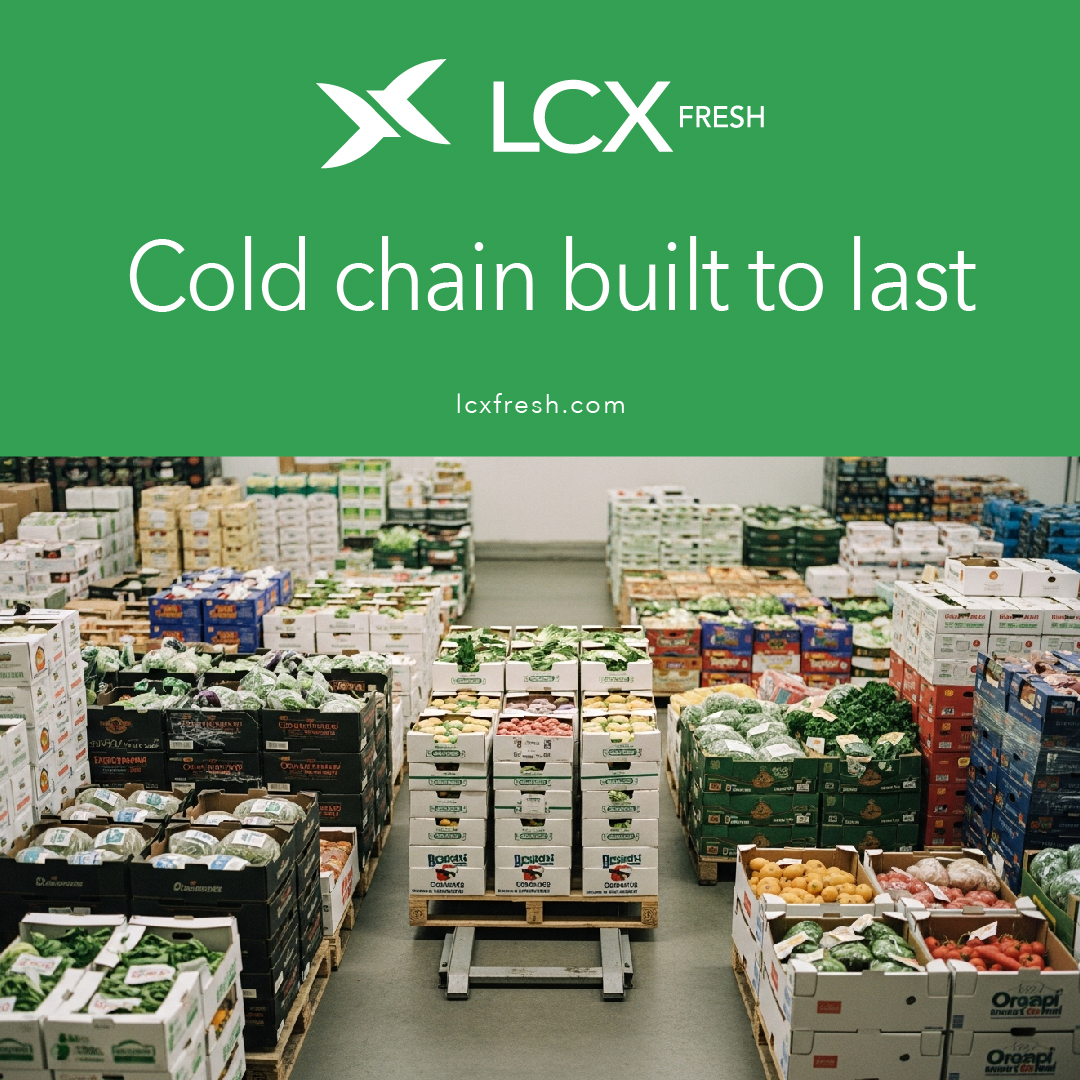
The turning of the calendar page often brings a renewed sense of purpose. As we look ahead, the logistics industry is not just setting resolutions; it is establishing entirely new benchmarks for performance. The year 2026 stands poised to be a pivotal moment for those of us moving perishable goods. It represents a shift from simply maintaining temperature to mastering the entire ecosystem of delivery.
For businesses in the fresh produce, pharmaceutical, and floral sectors, the stakes have never been higher. Consumers demand transparency, regulators demand sustainability, and the market demands speed. Meeting these overlapping needs requires a strategic overhaul. Achieving cold chain excellence 2026 is no longer just about avoiding spoilage—it is about intelligent prediction, seamless integration, and sustainable operations.
This article explores the transformative trends defining the near future of fresh logistics. We will examine how automation, green technologies, and data analytics are converging to create a smarter, more resilient supply chain.
The Evolution of Temperature-Controlled Logistics
To understand where we are going, we must acknowledge how the landscape has shifted. Historically, the cold chain was reactive. If a temperature excursion occurred, alerts were sent, often too late to save the cargo. Today, we are moving toward a proactive model where problems are solved before they happen.
The standard for 2026 is absolute visibility. Stakeholders across the chain—from farmers to retailers—will expect real-time data not just on location, but on the precise condition of goods. This evolution is driven by the necessity to reduce waste. According to the Food and Agriculture Organization (FAO), roughly 14 percent of the world’s food is lost after harvest and before reaching the retail level. A significant portion of this loss is due to inadequate supply chain infrastructure.
Cold chain excellence 2026 aims to slash these numbers significantly. By integrating advanced sensors and AI-driven platforms, logistics providers can monitor ethylene levels, humidity, and shock, ensuring that fresh products arrive in peak condition.
Automation: The Backbone of Future Operations
One of the most defining characteristics of the 2026 landscape will be the widespread adoption of automation in cold storage and transit. The labor shortages that plagued the early 2020s accelerated the need for robotics, and the technology has now matured into a reliable standard.
Automated Cold Storage & Retrieval Systems (AS/RS)
Warehouses are becoming smarter and denser. Automated Storage and Retrieval Systems (AS/RS) allow for higher stacking and narrower aisles, maximizing expensive refrigerated space. These systems operate in temperatures that are uncomfortable or unsafe for human workers for extended periods, such as deep-freeze environments.
By removing human error and reducing the frequency of door openings, these systems maintain a more consistent thermal envelope. This consistency is a core component of cold chain excellence 2026. It ensures product integrity while simultaneously reducing energy consumption.
Autonomous Transport
While fully driverless trucks may not be universal by 2026, autonomous features will heavily influence long-haul logistics. Platooning—where trucks travel closely together in a convoy to reduce air drag—will likely see broader implementation. For fresh logistics, this means faster transit times and reduced fuel costs, directly benefiting the bottom line.
Read more about trends in warehouse automation to see how robotics are shaping the future of storage.
Sustainability: A Non-Negotiable Standard
Environmental responsibility has transitioned from a “nice-to-have” corporate social responsibility (CSR) initiative to a fundamental operational requirement. Regulatory bodies in Europe and North America are tightening emission standards, and clients are prioritizing logistics partners who can help them meet their own Scope 3 emission goals.
Electrification of Transport Refrigeration Units (eTRUs)
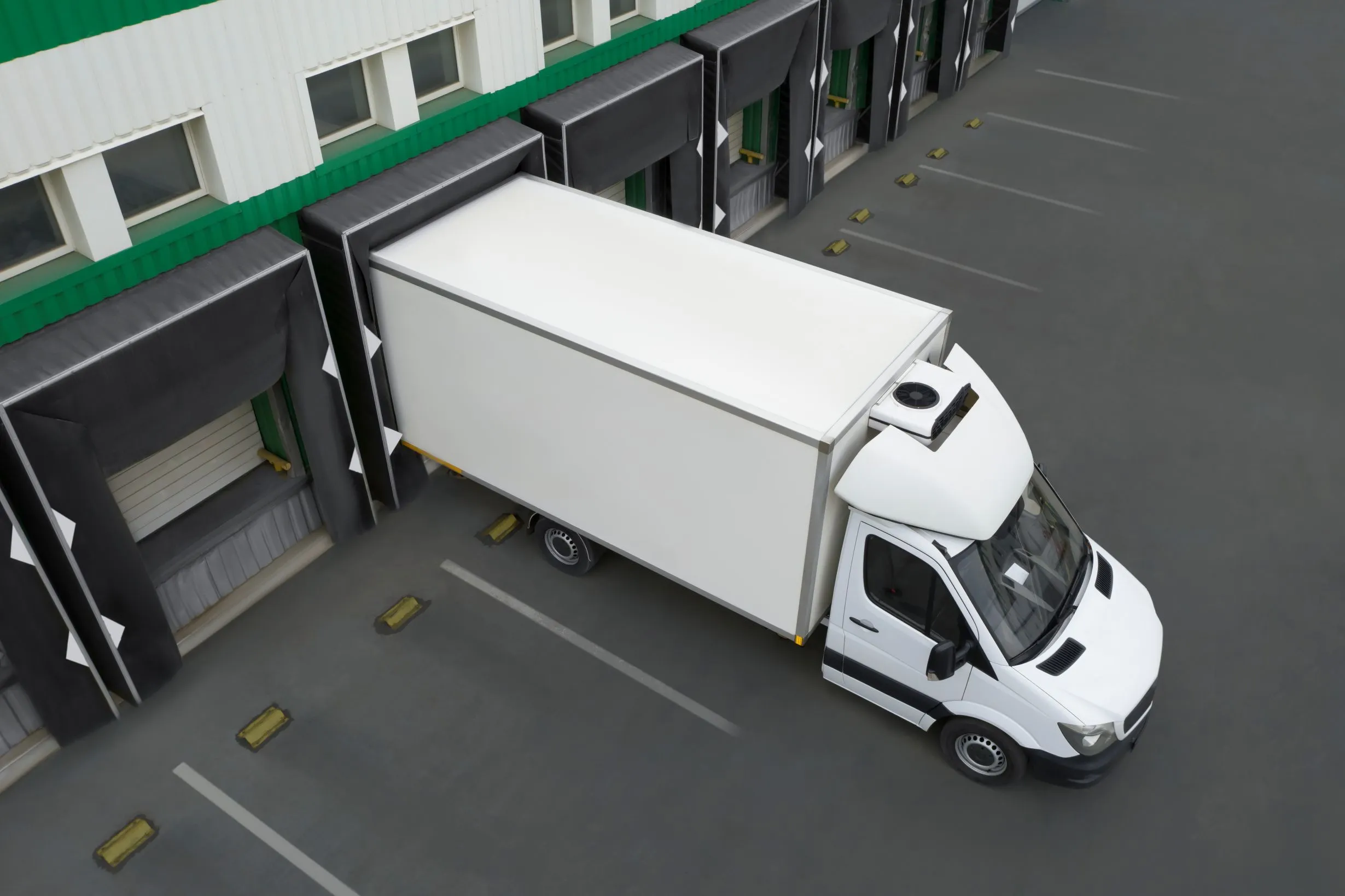
The diesel-powered transport refrigeration unit (TRU) is being phased out in favor of electric alternatives. These eTRUs can be powered by the truck’s engine, battery packs, or even solar panels mounted on the trailer roof. This shift eliminates the noise and pollution associated with idling diesel engines at loading docks, a critical step toward cold chain excellence 2026.
Green Warehousing
Future cold storage facilities will act as energy hubs. We are seeing a trend toward facilities that generate their own power through extensive solar arrays and use thermal energy storage systems. These buildings can “store” cold energy during off-peak hours when electricity is cheaper and cleaner, reducing strain on the grid during peak times.
For insights on global sustainability goals, refer to the United Nations Sustainable Development Goals, specifically Goal 12 on Responsible Consumption and Production.
Data Intelligence and Predictive Analytics
Data is the currency of modern logistics. However, having data is different from using it effectively. By 2026, the industry standard will be predictive analytics. This involves using historical data and machine learning algorithms to forecast potential disruptions.
Predicting Demand and Spoilage
Imagine a system that analyzes weather patterns, harvest yields, and historical traffic data to predict a delay three days before it happens. This allows logistics managers to reroute shipments proactively. Furthermore, dynamic shelf-life modeling can predict exactly how many days of freshness remain for a specific pallet of berries based on the temperature fluctuations it experienced during transit.
This level of precision defines cold chain excellence 2026. It allows retailers to employ dynamic pricing or prioritize sales for goods with shorter remaining shelf lives, drastically reducing food waste at the retail level.
Blockchain for Traceability
While blockchain has been a buzzword for years, its practical application in the cold chain is solidifying. It provides an immutable ledger of a product’s journey. For a consumer buying organic spinach, scanning a QR code could reveal the farm it came from, when it was picked, and proof that it was kept at the correct temperature throughout its journey.
Learn more about how technology is reducing food loss at the World Economic Forum’s food security section.
The Rise of Micro-Fulfillment Centers
The “Amazon effect” has conditioned consumers to expect rapid delivery, even for groceries. To meet this demand, the cold chain is becoming more decentralized. We are seeing a shift away from massive, remote distribution centers toward smaller, urban micro-fulfillment centers (MFCs).
These MFCs are located closer to the end consumer, often in the back of existing retail stores or in repurposed urban spaces. They allow for hyper-local delivery of fresh goods within hours. For LCX Fresh, adapting to this decentralized model is key. It requires a fleet of smaller, agile refrigerated vehicles capable of navigating city centers, rather than just large tractor-trailers.
This structural shift supports cold chain excellence 2026 by reducing the “last mile” distance—the leg of the journey where temperature deviations are most likely to occur.
Packaging Innovations
The container is just as important as the carrier. Packaging technology is advancing rapidly to extend shelf life without relying on single-use plastics.
Active Packaging
Smart packaging solutions are now incorporating active elements that can control the internal atmosphere of a package. This includes oxygen scavengers and ethylene absorbers that slow down the ripening process of fruits and vegetables.
Sustainable Insulation
Traditional expanded polystyrene (Styrofoam) is being replaced by biodegradable alternatives made from corn starch, mushrooms, or recycled paper fibers. These materials offer comparable thermal protection but align with the circular economy principles that are central to cold chain excellence 2026.
Check out the Sustainable Packaging Coalition for the latest developments in eco-friendly packaging materials.
Overcoming Global Supply Chain Fragility
The lessons of the early 2020s taught us that efficiency cannot come at the cost of resilience. The “Just-in-Time” model is evolving into “Just-in-Case.”
Logistics strategies in 2026 will prioritize diversification. This means not relying on a single sourcing region or a single transport mode. Multi-modal transport—combining air, sea, rail, and road—provides options when one channel faces disruption. Cold chain excellence 2026 requires a flexible network that can absorb shocks, whether they are geopolitical, climatic, or pandemic-related.
The Human Element: Training the Next Generation
Despite the focus on automation, the human element remains vital. The role of the logistics professional is changing. We need fewer forklift drivers and more data analysts, systems technicians, and sustainability officers.
Investing in workforce development is crucial. Companies must train their teams to interpret complex data sets and manage sophisticated automated systems. A culture of continuous improvement is the bedrock of cold chain excellence 2026. Employees need to understand the “why” behind the strict temperature protocols, not just the “how.”
Implementing the New Standards
For businesses looking to thrive in this new environment, the path forward involves three distinct steps:
- Audit and Digitize: Assess current capabilities. Where are the blind spots in your data? Transition from paper-based logs to fully digital platforms.
- Invest in Agility: Look for opportunities to diversify your carrier base and storage locations. Consider how flexible your current partners are.
- Commit to Sustainability: Start measuring your carbon footprint now. Set realistic targets for reducing emissions and waste.
At LCX Fresh, we are committed to leading this charge. We understand that our clients rely on us to protect their brand reputation by delivering quality, every time.
Conclusion: A Fresh Future
The year 2026 promises to be a watershed moment for the logistics industry. The convergence of automation, sustainability, and data intelligence creates a powerful toolkit for solving age-old problems. Cold chain excellence 2026 is not a static goal but a dynamic process of adaptation and improvement.
By embracing these new standards, we do more than just improve our bottom line. We contribute to a world with less waste, lower emissions, and better access to fresh, healthy products for everyone. The future of fresh logistics is cool, calculated, and incredibly bright.
For further reading on logistics trends and economic impacts, visit the Council of Supply Chain Management Professionals (CSCMP).
As we move forward, LCX Fresh invites you to join us in setting these new standards. Together, we can redefine what is possible in the world of cold chain logistics.