The start of a new year brings a unique set of challenges and opportunities for the logistics industry. For the cold chain sector, this period is especially critical. Following the holiday rush and the subsequent return to normal business operations, companies must recalibrate their strategies to manage capacity, ensure precision, and maintain control over temperature-sensitive products. The new year often sets the tone for the months ahead, making it a pivotal time for logistics professionals to evaluate their processes and technologies within the context of Cold Chain Logistics 2026.
Effectively navigating the early part of the year requires a deep understanding of market dynamics, from fluctuating demand for fresh produce and pharmaceuticals to the persistent pressure on transportation networks. Success hinges on a supply chain that is not just cold but also smart, agile, and resilient. This post will explore the key pillars of a successful start-of-year strategy: managing capacity constraints, leveraging technology for operational precision, and enhancing control over the entire logistics journey.
We will examine how these elements are shaping the landscape of Cold Chain Logistics 2026 and provide actionable insights for businesses looking to thrive.
For a broad overview of current and emerging industry trends, check out this cold storage industry outlook.
Navigating Post-Holiday Capacity Fluctuations
The beginning of the year is characterized by a “bullwhip effect” in supply chains. The frenetic pace of November and December, driven by holiday demand for food, beverages, and gifts, gives way to a period of readjustment in January and February. While consumer demand might slow, the need for reliable Cold Chain Logistics 2026 does not. Pharmaceutical shipments remain steady, and the global appetite for out-of-season fresh produce continues to grow. This creates a complex capacity puzzle for logistics providers.
The Challenge of Unpredictable Demand
After the holiday peak, predicting shipping volumes becomes difficult. Some sectors see a sharp drop-off, freeing up refrigerated (reefer) trucks and warehouse space. Others, like the floral industry preparing for Valentine’s Day, experience a sudden surge. This volatility makes it challenging to allocate resources effectively. Over-committing capacity can lead to idle assets and financial losses, while underestimating needs can result in missed opportunities and damaged client relationships.
Logistics managers must shift from a reactive to a proactive capacity management model within Cold Chain Logistics 2026. This involves using historical data and predictive analytics to forecast demand more accurately. By analyzing trends from previous years and integrating real-time market data, companies can better anticipate capacity needs. This data-driven approach allows for more flexible planning, helping to smooth out the peaks and troughs of the post-holiday season. As we look toward Cold Chain Logistics 2026, the ability to harness data for forecasting will be a significant competitive differentiator.
Optimizing Warehouse and Transportation Assets
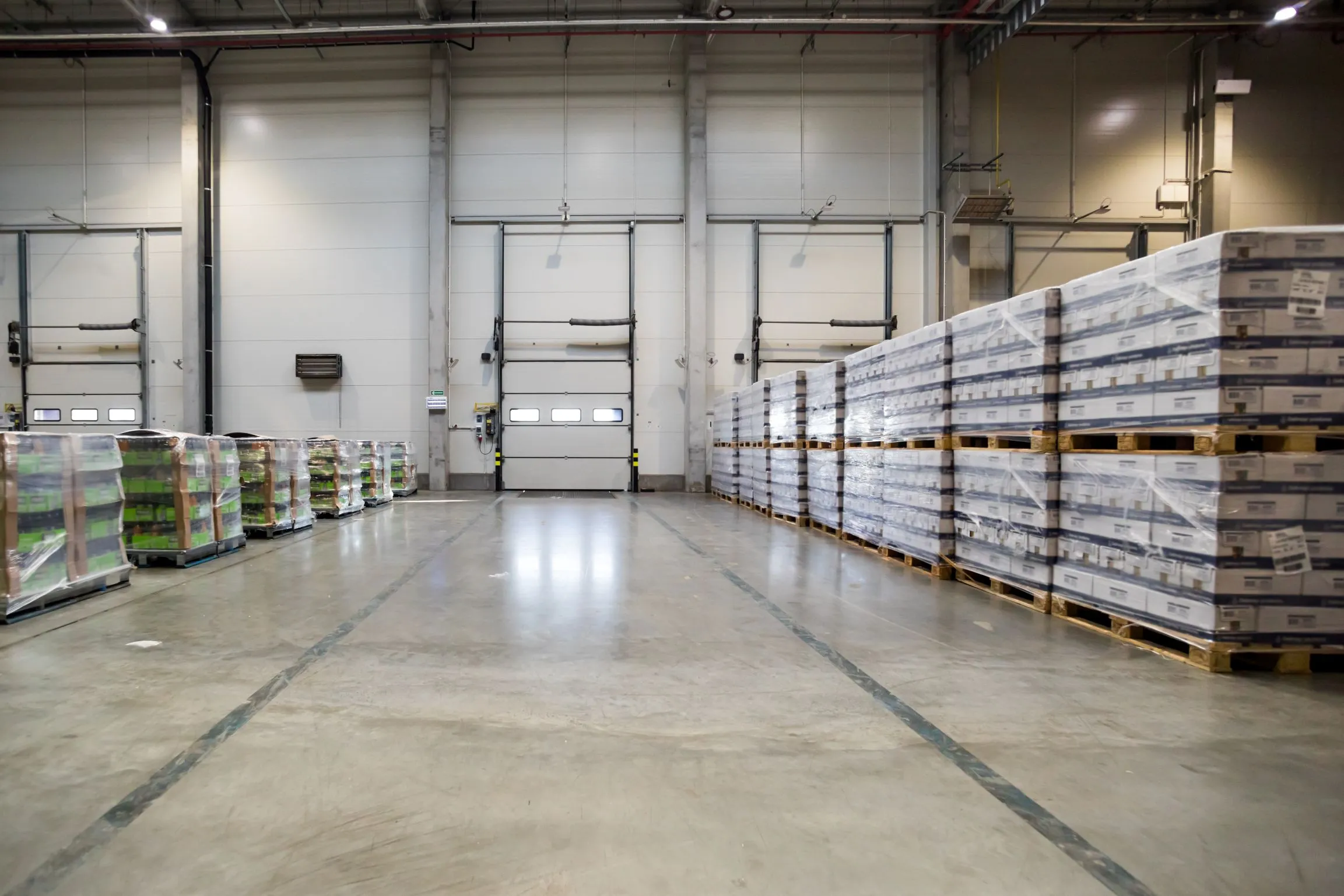
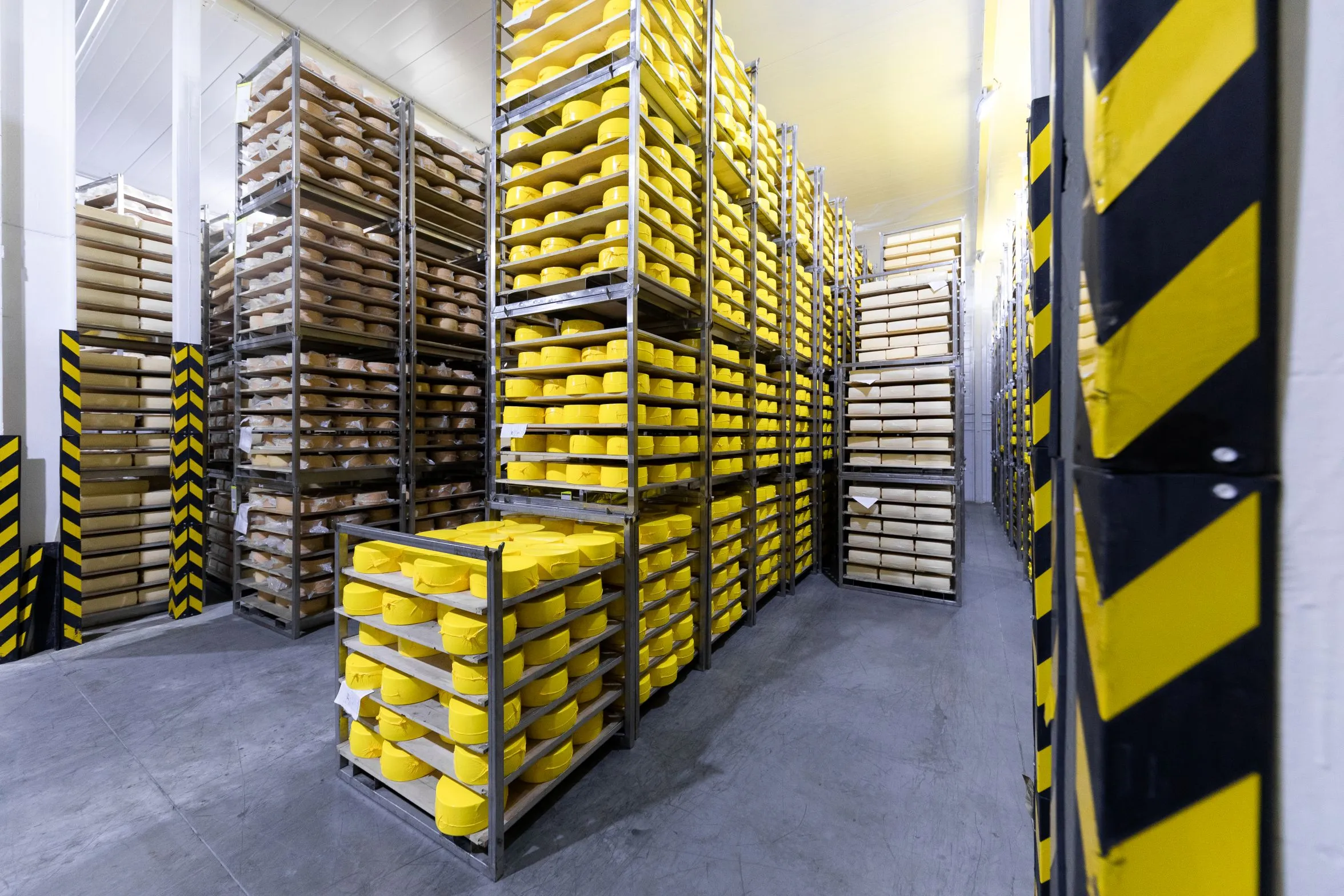
Efficiently managing both warehouse and transportation capacity is crucial for success in Cold Chain Logistics 2026. In warehousing, the start of the year is an ideal time for network optimization. This could mean consolidating inventory in strategically located cold storage facilities to reduce holding costs and improve distribution efficiency. Companies are also increasingly exploring on-demand warehousing solutions, which provide the flexibility to scale storage space up or down without the commitment of a long-term lease.
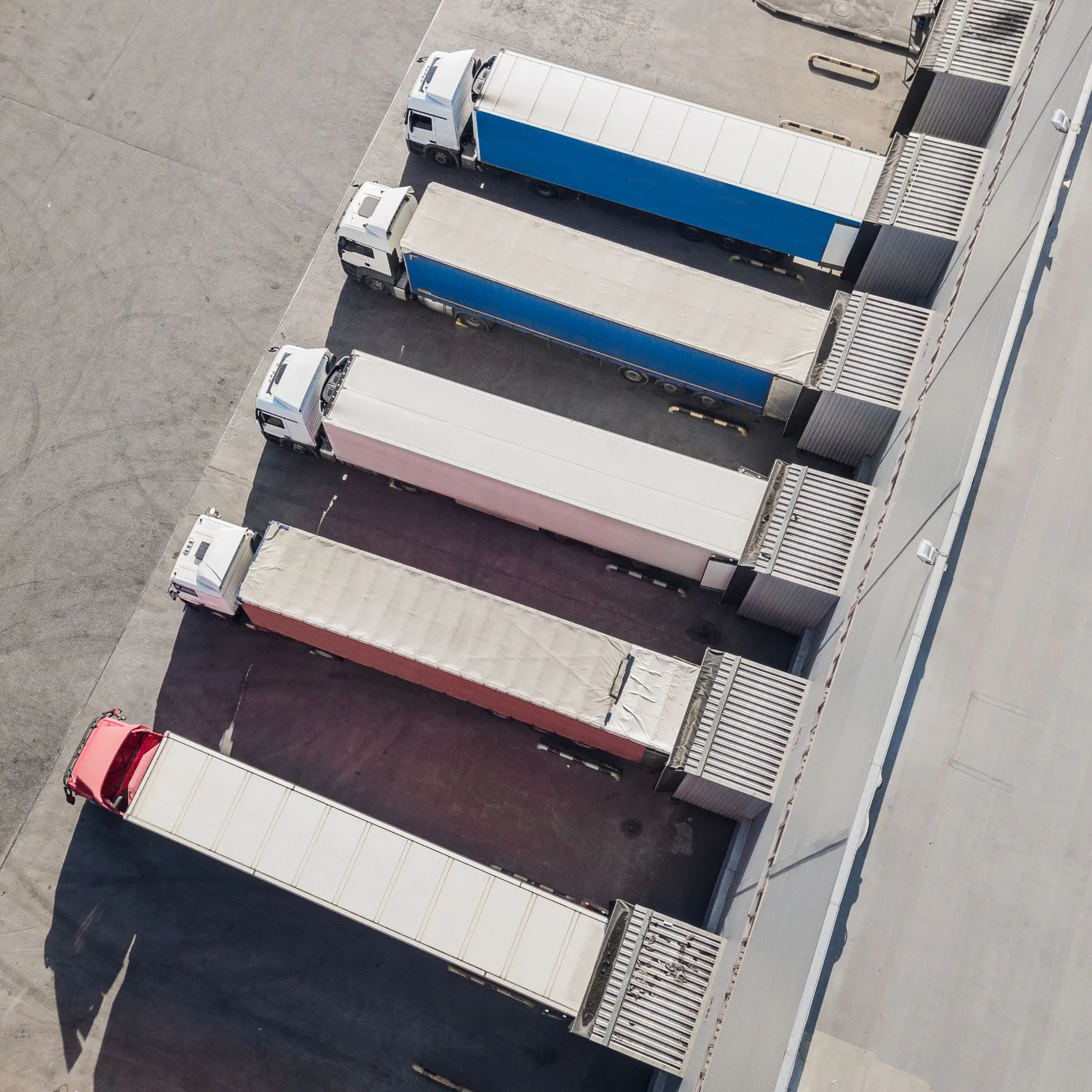
On the transportation side, collaboration is key. Partnering with a network of reliable carriers can provide the necessary flexibility to handle fluctuating volumes. Utilizing a transportation management system (TMS) can help shippers find available capacity, compare rates, and optimize routes in real time. For example, a TMS can identify opportunities for load consolidation, where multiple smaller shipments destined for the same region are combined into a single full truckload, reducing costs and improving efficiency. This level of optimization is fundamental for building a resilient supply chain. The evolution of Cold Chain Logistics 2026 will see even greater integration between shippers and carriers through shared data platforms. To further understand the impact of market growth, visit this Cold Chain Logistics Market Size analysis.
The Role of Precision in Modern Cold Chain Operations
In Cold Chain Logistics 2026, there is no room for error. A temperature deviation of just a few degrees can render a shipment of life-saving vaccines or fresh seafood worthless. Precision, therefore, is not just a goal; it is a requirement. The start of the year provides a valuable opportunity for companies to review and enhance the precision of their operations, ensuring every shipment is handled with the utmost care from origin to destination.
Leveraging Technology for Temperature Integrity
Maintaining a consistent temperature throughout the supply chain is the core principle of Cold Chain Logistics 2026. Modern technology offers powerful tools to achieve this. Advanced IoT sensors can be placed directly with the cargo to provide real-time temperature and humidity monitoring. These sensors transmit data to a central dashboard, letting managers track goods throughout the journey.
If a temperature deviation occurs, the system can send instant alerts to relevant personnel. This allows for immediate corrective action, such as adjusting the reefer unit’s settings or rerouting a truck to the nearest maintenance facility. This proactive approach to temperature management prevents product spoilage and ensures compliance with regulatory standards. As the industry moves toward Cold Chain Logistics 2026, these smart sensor systems will become standard, providing an unbroken chain of custody for temperature data.
For a detailed guide on the importance and challenges of cold chain logistics, see this comprehensive cold chain logistics guide.
Enhancing Route and Schedule Precision
Precision extends beyond temperature to the timing and routing of shipments in Cold Chain Logistics 2026. Delays can lead to product degradation, especially for items with a short shelf life. AI route optimization software helps planners create efficient routes by factoring in traffic, weather, and delivery times.
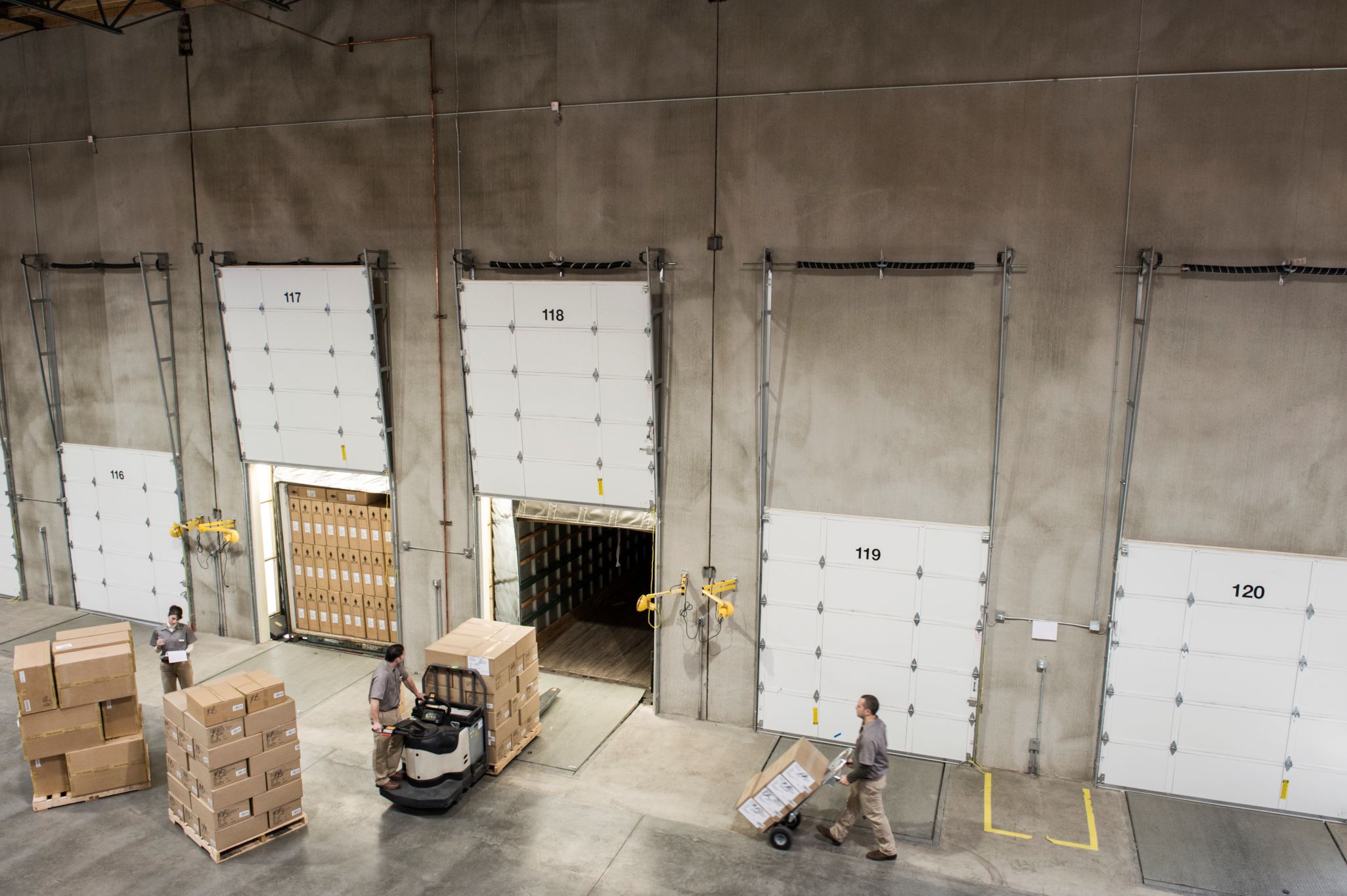
These systems can also dynamically re-route shipments in response to unforeseen events, such as road closures or accidents. By ensuring that shipments arrive on time, companies can minimize the risk of spoilage and improve customer satisfaction. Precise scheduling reduces truck idle time at loading docks, ensuring a smoother flow of goods. This level of operational precision is essential for meeting the demands of a modern global supply chain. The future of Cold Chain Logistics 2026 will depend on this synergy between human expertise and artificial intelligence.
For insights into the advances in smart temperature monitoring and AI in cold chain logistics, read FleetRabbit’s technology outlook.
Gaining Total Control Through Visibility and Data
Control in Cold Chain Logistics 2026 means having a comprehensive understanding of your operations and the ability to influence outcomes. Achieve better control with data-driven systems and visibility—start the year enhancing your operations.
The Power of a Single Pane of Glass
Managing a cold chain means juggling TMS, WMS, and carrier portals for transportation, storage, and tracking. This fragmented approach creates information silos, making it difficult to get a holistic view of the supply chain.
Leading logistics providers are now adopting unified visibility platforms that integrate data from all these disparate sources into a single dashboard. This “single pane of glass” provides a comprehensive, real-time view of every shipment. From this central hub, managers can track inventory levels, monitor shipment statuses, view temperature data, and manage documentation. This centralized control empowers companies to make faster, more informed decisions. It transforms supply chain management from a series of disconnected tasks into a cohesive, strategic operation, a key trend shaping Cold Chain Logistics 2026.
For a global perspective on challenges and sustainability in supply chain management, view World Economic Forum’s food supply chain analysis.
Using Data Analytics for Continuous Improvement
Visibility generates a vast amount of data. The true value lies in analyzing this data to identify trends, uncover inefficiencies, and drive continuous improvement in Cold Chain Logistics 2026. For instance, by analyzing historical temperature data, a company might discover that a particular shipping lane consistently experiences temperature fluctuations. This insight helps them find and fix the root cause, such as faulty equipment or poor insulation.
Similarly, analyzing delivery performance data can highlight carriers that consistently miss delivery windows or routes that are prone to delays. This information can be used to renegotiate carrier contracts, optimize route planning, and improve overall service levels. This cycle of data collection, analysis, and action is the engine of a modern, high-performing cold chain. The journey toward Cold Chain Logistics 2026 is paved with data, and companies that learn to use it effectively will lead the way.
Preparing for the Future of Cold Chain Logistics
The challenges and opportunities present at the start of the year are a microcosm of the broader trends shaping the industry. As we look ahead, the themes of capacity, precision, and control will become even more pronounced in Cold Chain Logistics 2026. The global demand for temperature-sensitive goods, from pharmaceuticals to gourmet foods, is only set to increase.
Investing in technology, fostering collaborative partnerships, and embracing a data-driven culture are no longer optional—they are essential for survival and growth. The companies that use the beginning of the year to fine-tune their operations and invest in these areas will be best positioned to meet the challenges ahead. They will build supply chains that are not only efficient and reliable but also resilient enough to withstand the inevitable disruptions of a complex global market. The foundation for success in Cold Chain Logistics 2026 is being laid today, through a relentless focus on mastering capacity, achieving precision, and maintaining unwavering control.