The journey of a strawberry from a field in Mexico to a grocery store shelf in Canada is a complex process fraught with peril. Temperature spikes, customs delays, and handling errors can turn premium produce into unsalvageable waste in hours. For decades, the Cross-Border Fresh Logistics industry accepted a certain level of loss as the “cost of doing business.” However, that mindset is rapidly becoming obsolete.
As we move deeper into the year, Cross-Border Fresh Logistics 2026 represents a turning point. We are witnessing a convergence of technologies and regulatory shifts that promise to drastically cut the billions of dollars lost annually to food spoilage. This isn’t just about better refrigeration; it’s about a smarter, more connected, and predictive supply chain.
At LCX Fresh, we believe that reducing waste is the single biggest opportunity for growth in the fresh produce sector. This article explores the specific advancements driving this change and why 2026 is the year efficiency takes center stage.
The High Cost of Inefficiency
Before diving into solutions, we must understand the scale of the problem. The United Nations Food and Agriculture Organization estimates that nearly one-third of all food produced globally is lost or wasted. A significant portion of this occurs during transit, specifically at border crossings where delays are common.
When trucks sit idle at customs, diesel burns, and shelf-life ticks away. For perishable goods, time is literally money. Cross-Border Fresh Logistics 2026 strategies focus on reclaiming that time. The financial impact is staggering, but the environmental toll is equally concerning. Wasted food contributes significantly to greenhouse gas emissions, meaning that logistics optimization is as much a sustainability initiative as it is a profit driver.
1. IoT and Real-Time Visibility: The Eyes of the Supply Chain
One of the most critical components of Cross-Border Fresh Logistics 2026 is the maturation of the Internet of Things (IoT). We have moved past simple GPS tracking. Today’s smart containers and pallets are equipped with multi-sensor arrays that monitor temperature, humidity, light exposure, and even ethylene gas levels in real-time.
Predictive Monitoring
In previous years, a logistics manager might find out a shipment was spoiled only after it arrived at the destination. In the era of Cross-Border Fresh Logistics 2026, managers receive alerts the moment a reefer unit deviates from its set temperature by even a degree.
This allows for immediate intervention. If a truck is stuck at a border crossing and the internal temperature begins to rise, automated systems can alert the driver or trigger backup cooling systems. This level of granularity ensures that the “cold chain” remains unbroken, preserving the integrity of sensitive cargo like berries, leafy greens, and seafood.
According to a report by McKinsey & Company on supply chain digitization, advanced analytics and IoT can reduce supply chain administrative costs by up to 30%. For the fresh produce sector, this efficiency translates directly to reduced spoilage.
2. AI-Driven Customs Clearance
Border friction has historically been the enemy of freshness. Documentation errors, manual inspections, and bureaucratic bottlenecks cause delays that fresh produce cannot afford. However, Cross-Border Fresh Logistics 2026 is defined by the integration of Artificial Intelligence (AI) into customs brokerage and compliance.
Automated Compliance
AI algorithms can now scan thousands of shipping documents in seconds, flagging potential errors before a truck even leaves the warehouse. This preemptive compliance ensures that when a shipment arrives at the border, the paperwork is flawless.
Furthermore, predictive modeling helps logistics companies anticipate border congestion. If an AI system predicts a 4-hour delay at a specific crossing point due to high traffic or staffing shortages, it can reroute the shipment to a less congested entry point. This dynamic routing is a hallmark of Cross-Border Fresh Logistics 2026, ensuring that goods keep moving regardless of external variables.
The implementation of “Green Lanes” for trusted traders, supported by digital verification, further accelerates the process. These lanes prioritize perishable goods, recognizing that a delay for electronics is an inconvenience, but a delay for avocados is a disaster.
3. Blockchain for Traceability and Trust
Trust is the currency of the fresh food trade. Retailers need to know that the organic spinach they ordered is actually organic and that it was kept at the correct temperature throughout its journey. Blockchain technology provides an immutable ledger that records every handoff and condition check in the supply chain.
In the context of Cross-Border Fresh Logistics 2026, blockchain solves the dispute problem. If a shipment arrives spoiled, the ledger reveals exactly where the breach occurred—was it the packer, the carrier, or the warehouse?
Faster Dispute Resolution
Historically, determining liability for spoiled goods could take months of litigation and negotiation. With blockchain, the data is indisputable. This transparency encourages all parties to maintain higher standards. When carriers know they are being monitored with immutable data, compliance with cold chain protocols improves dramatically.
Moreover, this traceability allows for surgical recalls. Instead of recalling an entire month’s supply of romaine lettuce due to a contamination scare, retailers can pinpoint the exact batch affected. This precision saves millions of pounds of perfectly good food from being discarded out of fear.
For more on how blockchain is revolutionizing food safety, you can read insights from IBM Food Trust.
4. Advanced Packaging Technologies
While logistics focuses on movement, the vessel holding the produce is just as important. Cross-Border Fresh Logistics 2026 sees a surge in active and intelligent packaging solutions designed to extend shelf life during transit.
Modified Atmosphere Packaging (MAP)
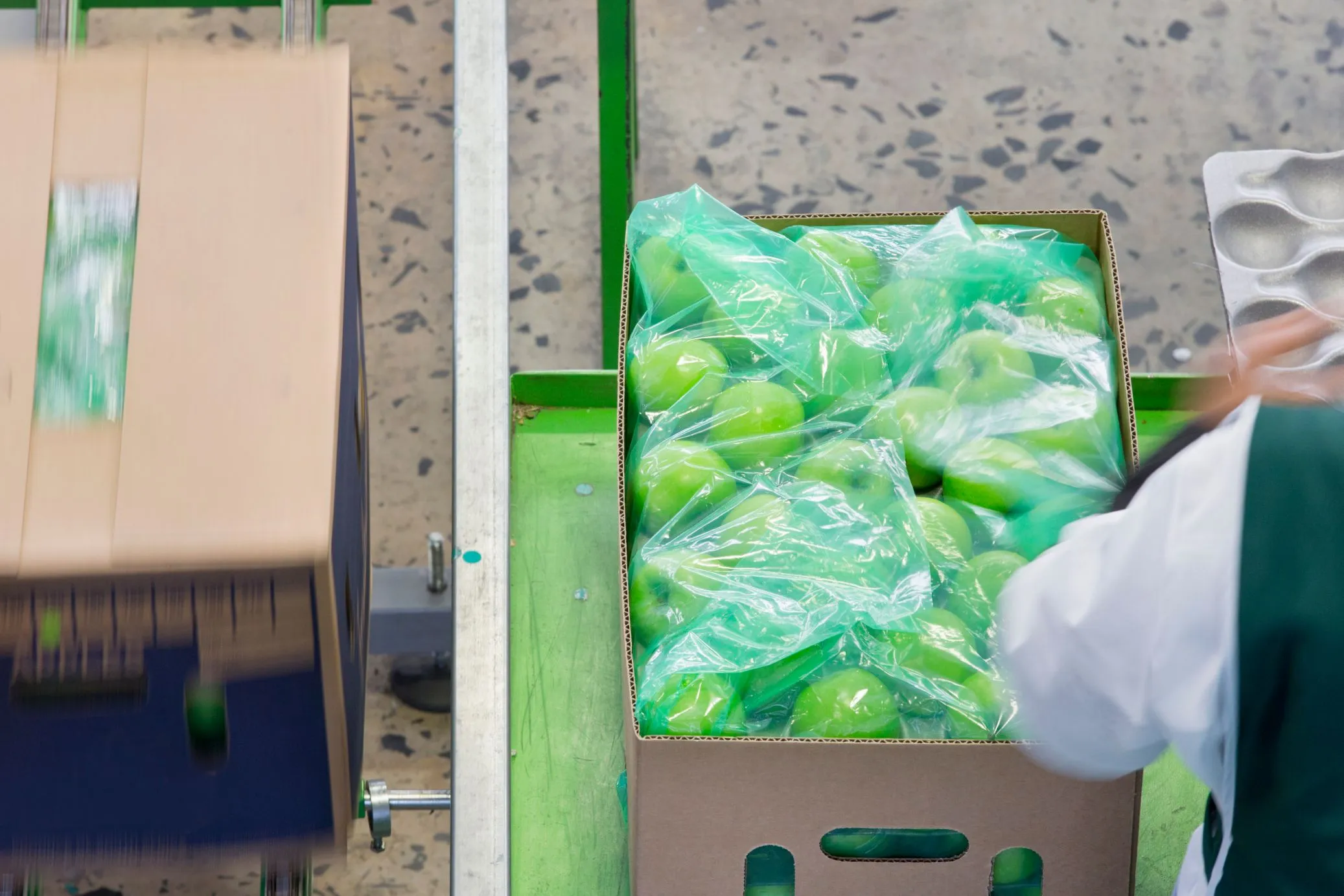
New generations of Modified Atmosphere Packaging (MAP) actively adjust the internal gas composition of a package. By controlling the levels of oxygen and carbon dioxide, these packages slow down the respiration rate of the produce, effectively putting it to “sleep” during transport.
This technology is particularly vital for cross-border shipments that involve long haul trucking or maritime transport. It buys the supply chain valuable time. Even if a truck is delayed at a border for an extra day, the enhanced protection of MAP ensures the product remains viable.
We are also seeing the rise of antimicrobial packaging materials that inhibit the growth of bacteria and mold. When combined with the rigorous temperature controls of Cross-Border Fresh Logistics 2026, these packaging innovations create a fortress around fresh food.
5. The Rise of Intermodal Solutions
Reliance on a single mode of transport is risky. Labor strikes, fuel shortages, or driver unavailability can cripple a trucking-only supply chain. Cross-Border Fresh Logistics 2026 emphasizes intermodal flexibility—seamlessly switching between truck, rail, and air to optimize speed and cost.
Cold Chain Rail Innovation
Rail transport has often been considered too slow for fresh produce. However, new high-speed freight corridors and advanced refrigerated railcars are changing that perception. Rail offers a lower carbon footprint and can bypass highway congestion entirely.
By integrating rail for the long-haul portion of a cross-border journey and using trucks only for the “last mile,” companies can reduce costs and spoilage risks. This multimodal approach requires sophisticated coordination, which is exactly what the new digital platforms of 2026 provide.
The Association of American Railroads highlights how modern rail networks are adapting to handle time-sensitive freight more effectively, supporting this shift toward intermodal reliance.
6. Data Sharing and Collaboration
Perhaps the most significant cultural shift in Cross-Border Fresh Logistics 2026 is the move from silos to ecosystems. In the past, growers, carriers, and retailers guarded their data jealously. Today, they realize that data sharing is essential for survival.
The Unified Supply Chain
Cloud-based platforms allow all stakeholders to view the same shipment data simultaneously. If a grower in Peru delays a harvest due to rain, the logistics provider in Miami sees the update instantly and adjusts the pickup schedule. The retailer in New York is automatically notified of the new arrival time.
This synchronization eliminates the “bullwhip effect,” where small miscommunications at one end of the chain cause massive disruptions at the other. In the world of Cross-Border Fresh Logistics 2026, collaboration is the ultimate spoilage reduction tool. By aligning supply with demand more accurately, we reduce the likelihood of overstocking, which is a primary cause of waste at the retail level.
7. Regulatory Harmonization
Governments are finally catching up to the technology. We are seeing increased efforts to harmonize food safety standards and phytosanitary regulations across borders. The complexities of navigating different rules for the US, Canada, and Mexico have long plagued the industry.
Cross-Border Fresh Logistics 2026 benefits from streamlined trade agreements that recognize digital certificates and remote inspections. This reduces the need for physical offloading and inspection, which breaks the cold chain and exposes produce to ambient temperatures.
For instance, the World Trade Organization (WTO) continues to work on the Sanitary and Phytosanitary Measures Agreement to facilitate safer and faster trade of food products, directly impacting how efficiently we can move fresh goods across borders.
8. Sustainable Cold Chain Energy
Sustainability is no longer just a buzzword; it is a operational mandate. Traditional diesel-powered refrigeration units (TRUs) are notorious polluters. Cross-Border Fresh Logistics 2026 is seeing a rapid adoption of electric and solar-powered TRUs.
Electric Standby and Solar
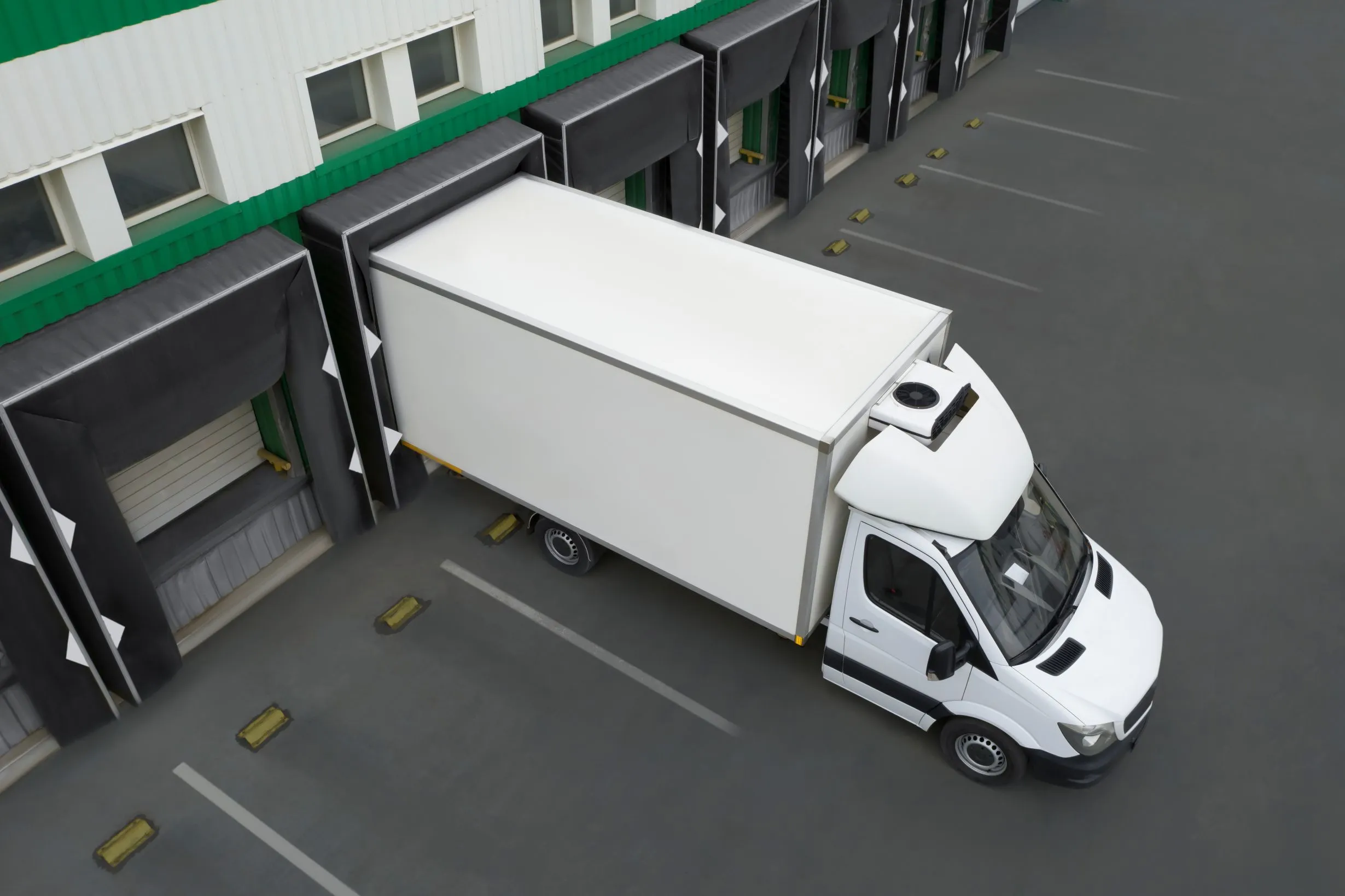
Modern logistics centers and truck stops are equipping parking bays with electric standby infrastructure. This allows trucks to plug in and run their cooling units on grid electricity rather than idling their diesel engines while waiting for customs or loading.
Solar panels on top of trailers provide supplemental power, extending the battery life of cooling units. These green technologies ensure that maintaining the cold chain doesn’t come at the expense of the environment. Furthermore, reliable electric cooling reduces the risk of mechanical failure associated with diesel engines, providing an extra layer of security against spoilage.
9. The Human Element: Training and Expertise
Despite all the technology, skilled professionals remain the backbone of the industry. The demands of Cross-Border Fresh Logistics 2026 require a new breed of logistics expert—one who is comfortable with data analytics, understands international trade law, and knows the biological needs of produce.
Companies are investing heavily in training programs to upskill their workforce. Drivers are being trained not just on vehicle safety, but on cold chain compliance and handling procedures. Customs brokers are becoming data scientists.
This human expertise ensures that when the technology flags an issue, there is a capable person ready to solve it. Technology provides the tools, but people provide the solutions.
Conclusion: A Fresher Future
The innovations defining Cross-Border Fresh Logistics 2026 are not futuristic dreams; they are operational realities being deployed right now. By leveraging IoT, AI, blockchain, and sustainable energy, we are building a supply chain that is resilient, transparent, and efficient.
The result is a drastic reduction in spoilage and waste. This means higher profits for growers and distributors, better quality for consumers, and a lighter footprint on our planet.
At LCX Fresh, we are committed to leading this charge. We understand that every crate of produce saved from the landfill is a victory. The future of fresh food is here, and it is smarter than ever.
Next Steps for Your Business
Is your supply chain ready for the standards of 2026? To reduce waste and improve your bottom line, consider the following steps:
- Audit your current visibility: Can you track temperature and location in real-time?
- Evaluate your partners: Are your carriers and brokers using the latest technology?
- Invest in data integration: Break down silos between your procurement and logistics teams.
If you are ready to optimize your cross-border operations, contact LCX Fresh today. Let us help you navigate the complexities of Cross-Border Fresh Logistics 2026 and ensure your products arrive fresher, faster, and with less waste.