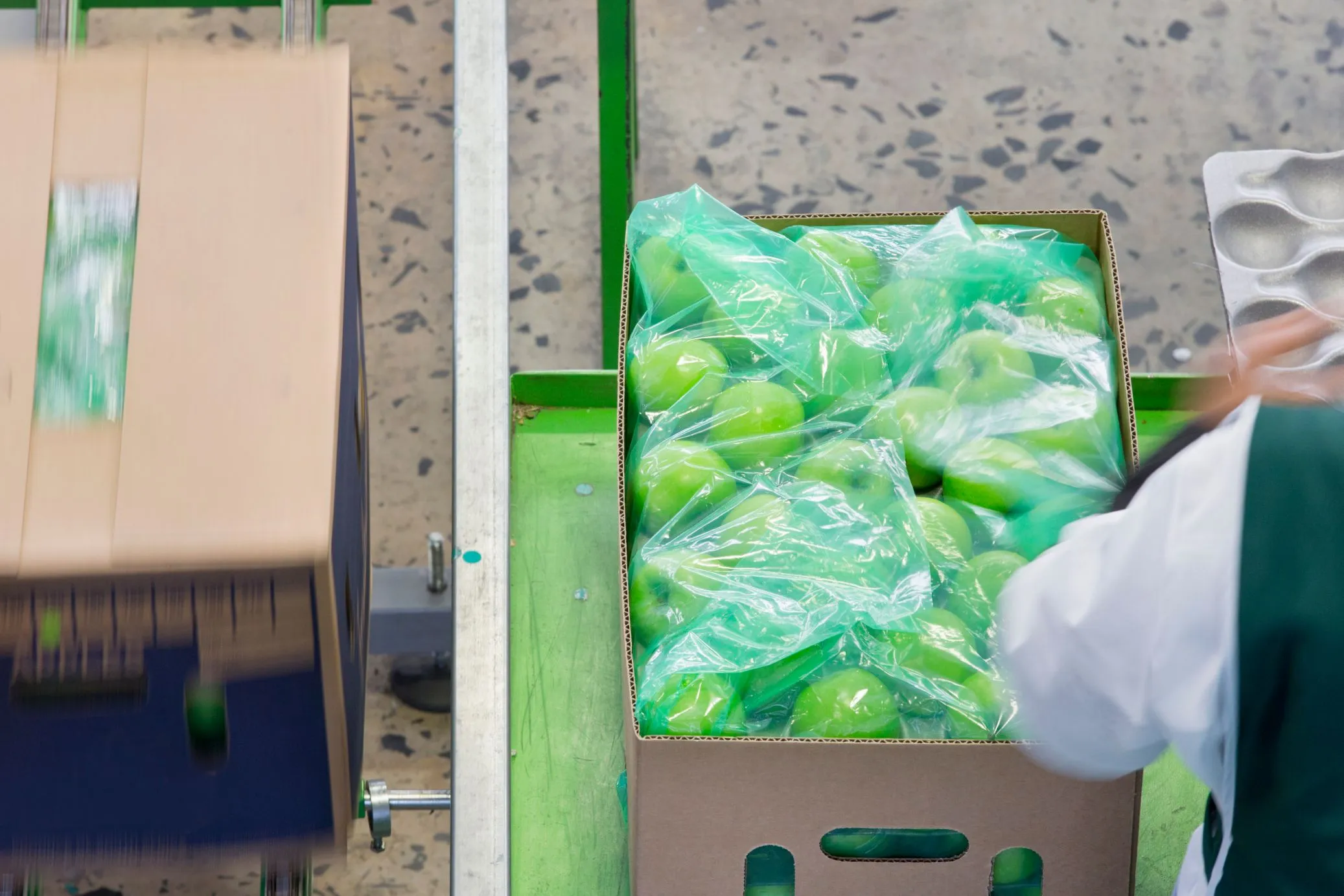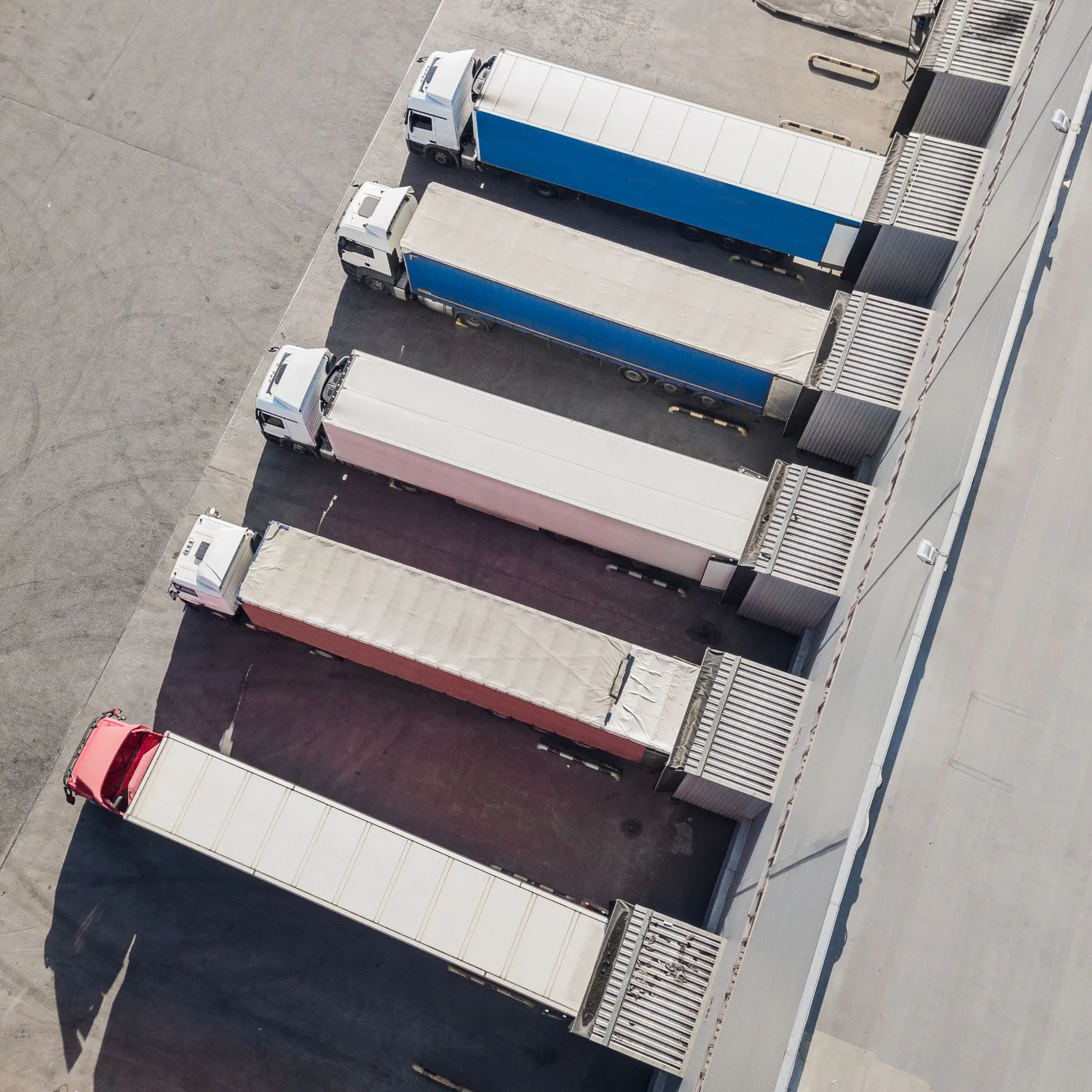
In today’s interconnected economy, the global demand for fresh produce, seafood, pharmaceuticals, and other perishable goods continues to accelerate. Consumers expect year-round availability, faster delivery, and uncompromised quality regardless of origin. Meeting these expectations requires more than traditional logistics—it demands scalable, resilient, and intelligent fresh logistics networks.
Consequently, as international trade expands and supply chains become more complex, companies must evolve their infrastructure to handle increasing volumes, tighter delivery windows, and stricter quality standards. The ability to scale fresh logistics networks effectively is now a key competitive advantage in the global perishables market.
From Latin America’s agricultural exports to cross-continental seafood shipments, scalable logistics systems ensure that temperature-sensitive goods move efficiently while maintaining freshness from origin to destination.
The Growing Pressure on Perishables Supply Chains
The perishables sector is undergoing rapid transformation. Several global trends are driving the need for scalable fresh logistics networks:
- Increasing global population and food demand
- Expansion of e-commerce in fresh and grocery segments
- Rising consumer expectations for quality and speed
- Growth in international trade of perishable goods
According to the Food and Agriculture Organization (FAO), global food supply chains must improve efficiency to reduce loss and meet growing demand.
https://www.fao.org/food-loss-and-food-waste/en
Consequently, this presents a clear challenge: how to scale operations without compromising temperature control, product quality, or delivery timelines.
What Does It Mean to Scale Fresh Logistics Networks?
Scaling fresh logistics networks is not simply about increasing volume capacity. It involves building flexible, integrated systems that can adapt to fluctuating demand, seasonal peaks, and geographic expansion.
Key components include:
- Expanding cold storage infrastructure
- Increasing transportation capacity
- Enhancing digital visibility and monitoring
- Strengthening partnerships across the supply chain
- Optimizing routing and distribution strategies
The goal is to create a network that grows efficiently while maintaining performance and reliability.
The Role of Cold Chain Infrastructure in Scalability
Essentially, cold chain infrastructure is the backbone of any perishables logistics network. Consequently, without sufficient capacity at each stage, scaling becomes impossible.
Cold Storage Expansion
As volumes increase, companies must invest in:
- strategically located cold storage facilities
- cross-docking hubs for rapid distribution
- regional distribution centers near key markets
These facilities enable fresh logistics networks to handle higher throughput while maintaining temperature integrity.
Transportation Capacity
Scaling requires access to:
- refrigerated trucks
- reefer containers
- temperature-controlled air cargo
The International Air Transport Association (IATA) emphasizes the importance of specialized handling standards for perishable cargo in scaling air freight operations.
https://www.iata.org/en/programs/cargo/perishables
Ensuring consistent availability of these resources is essential for network expansion.
Leveraging Technology to Scale Efficiently
Technology plays a central role in scaling modern fresh logistics networks. Ultimately, without real-time data and predictive capabilities, managing large-scale operations consequently becomes inefficient and risky.
Real-Time Monitoring
IoT sensors and tracking systems provide:
- continuous temperature data
- shipment location visibility
- alerts for deviations
Predictive Analytics
Historical and real-time data allow companies to:
- forecast demand spikes
- optimize routes
- reduce transit times
Automation and Integration
Furthermore, digital platforms integrate multiple stakeholders, thereby enabling seamless coordination across the supply chain.
Organizations such as GS1 highlight the importance of traceability standards for improving transparency and efficiency in global logistics.
https://www.gs1.org/standards/traceability
Technology ensures that scaling fresh logistics networks does not compromise quality or control.
Managing Seasonality and Demand Volatility
One of the biggest challenges in scaling fresh logistics networks is managing seasonal fluctuations.
For example:
- Latin American fruit exports peak at different times of the year
- Flower shipments surge during Valentine’s Day and Mother’s Day
- Seafood demand increases during holiday seasons
Scaling requires flexibility to adjust capacity based on demand.
Strategies include:
- dynamic capacity planning
- flexible transportation contracts
- diversified routing options
- collaboration with multiple logistics partners
In fact, the World Bank notes that efficient logistics systems are essential for handling trade fluctuations and consequently improving export performance.
https://www.worldbank.org/en/topic/trade
By adapting to seasonal demand, companies can maintain consistent service levels.
Building Strategic Logistics Partnerships
Scaling fresh logistics networks is not achieved in isolation. Collaboration across the supply chain is critical.
Key partners include:
- growers and producers
- freight forwarders
- airlines and shipping lines
- cold storage providers
- customs and regulatory authorities
Strong partnerships ensure:
- priority access to capacity
- faster problem resolution
- improved coordination across borders
This collaborative approach strengthens the overall resilience of logistics networks.
Optimizing Transportation Modes for Scalability
Furthermore, different transportation modes play distinct roles in scaling operations.
Air Freight
Ideal for high-value, time-sensitive shipments such as:
- berries
- flowers
- seafood
Air freight supports rapid scaling but requires careful cost management.
Ocean Freight
Best suited for:
- bulk shipments
- longer shelf-life products
Reefer containers enable cost-effective scaling while maintaining temperature control.
Multimodal Solutions
By combining air, sea, and land transport, companies can consequently optimize efficiency and cost.
Effective fresh logistics networks leverage all available modes to balance speed, capacity, and cost.
Reducing Risk While Scaling Operations
As logistics networks grow, so do potential risks. Managing these risks is essential to maintaining performance.
Common risks include:
- temperature deviations
- transportation delays
- infrastructure limitations
- regulatory challenges
Scaling fresh logistics networks requires proactive risk management strategies such as:
- contingency planning
- redundant routing options
- real-time monitoring systems
- compliance with international standards
These measures ensure that growth does not compromise reliability.
Sustainability in Scaled Logistics Networks
Sustainability is becoming a key priority in global logistics.
Scaling fresh logistics networks must also address environmental concerns, including:
- energy consumption in refrigeration
- transportation emissions
- food waste
Strategies for sustainable scaling include:
- optimizing routes to reduce fuel consumption
- using energy-efficient cold storage systems
- minimizing spoilage through better temperature control
Reducing waste not only improves sustainability but also enhances profitability.
Regional Focus: Latin America as a Growth Engine
Latin America plays a critical role in global perishables supply chains. For instance, the region’s diverse climate and production capacity make it a key exporter of fresh goods.
Scaling fresh logistics networks in Latin America requires:
- investment in infrastructure
- improved connectivity between rural production areas and export hubs
- enhanced cold chain capabilities
Therefore, the region’s continued growth ultimately depends on its ability to support expanding global demand with efficient logistics systems.
Future Trends in Fresh Logistics Networks
The future of fresh logistics networks will be shaped by innovation and evolving market demands.
Key trends include:
- increased automation in logistics operations
- AI-driven supply chain optimization
- expansion of direct-to-consumer delivery models
- greater emphasis on transparency and traceability
Companies that embrace these trends will be better positioned to scale effectively.
Building Competitive Advantage Through Scalability
In today’s global perishables markets, scalability is no longer optional—in fact, it is essential for staying competitive.
Companies that successfully scale fresh logistics networks benefit from:
- improved efficiency
- reduced costs
- enhanced customer satisfaction
- stronger market positioning
Ultimately, by investing in infrastructure, technology, and partnerships, businesses can therefore create logistics systems capable of supporting long-term growth.
Conclusion
Meeting global demand for perishable goods requires more than operational efficiency—it requires scalable, resilient, and intelligent logistics systems.
Effective fresh logistics networks enable companies to handle increasing volumes, adapt to seasonal fluctuations, and maintain product quality across complex international supply chains.
As global trade continues to evolve, businesses that prioritize the development of scalable fresh logistics networks will be best positioned to succeed in the competitive world of perishables logistics.