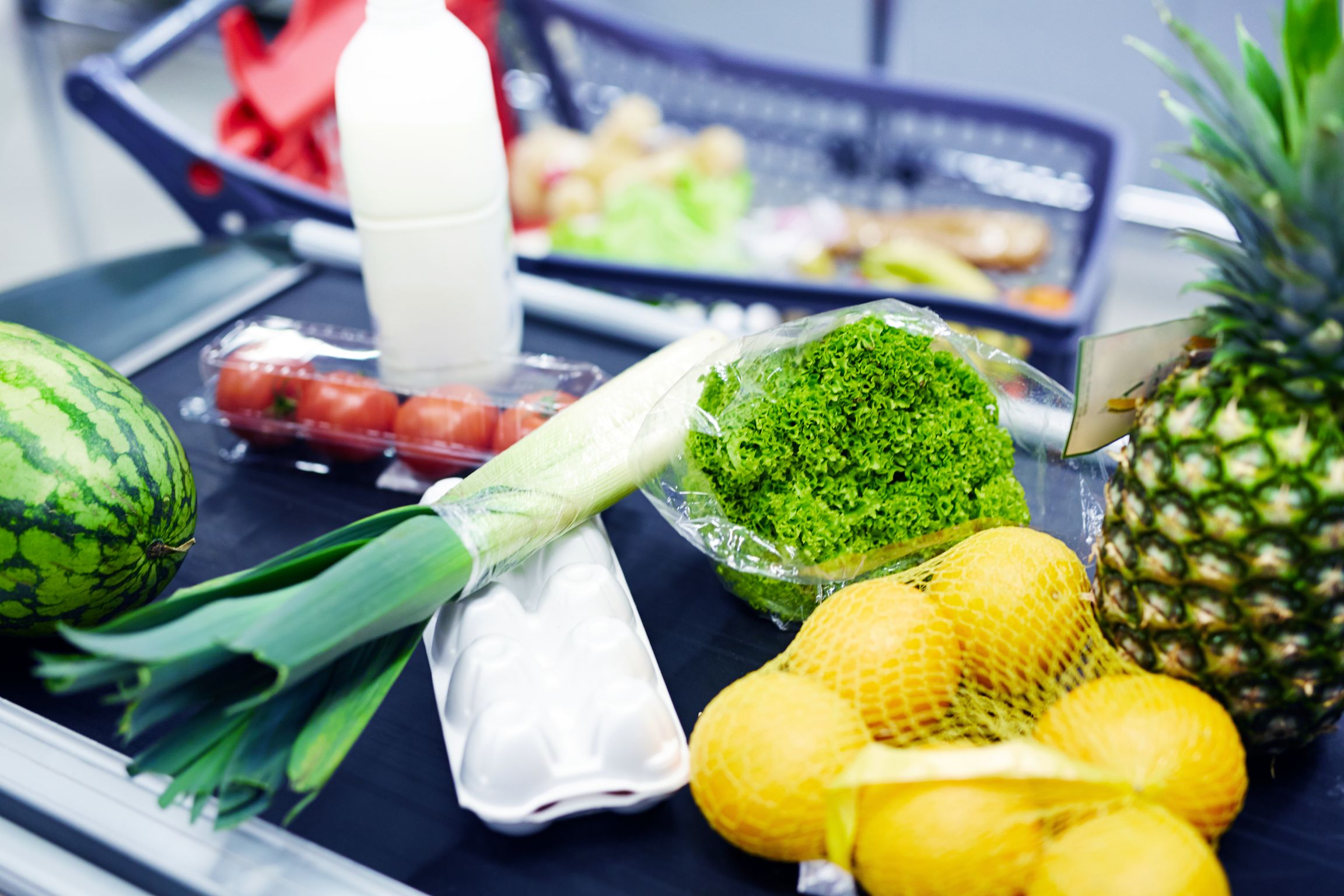
The way we think about, purchase, and consume food is undergoing a profound transformation. As we move through 2026, consumer expectations are shifting dramatically, driven by a greater awareness of health, environmental impact, and ethical sourcing. These evolving demands are placing unprecedented pressure on the food industry, forcing a complete reimagining of how products travel from farm to table. The traditional, linear supply chain is giving way to a more dynamic, transparent, and responsive model.
This evolution is not just about logistics; it’s a fundamental change in philosophy. Consumers now want a story with their food. They seek transparency about its origin, its journey, and its impact on the planet. This has become the central challenge and opportunity for the food industry. Meeting these expectations requires a supply chain that is not only efficient but also agile, intelligent, and deeply connected to the end consumer. As a result, companies are investing in new technologies and processes to build the resilient and transparent food systems of the tomorrow.
This post will explore the key consumer trends shaping the food landscape in 2026 and detail how supply chains are innovating to keep pace. We will examine the push for sustainability, the rise of technology in logistics, and the non-negotiable demand for fresh, clean-label products.
The Unstoppable Rise of the Conscious Consumer
Today’s shoppers are more informed and intentional than ever. They wield their purchasing power as a tool for change, prioritizing brands that align with their personal values. This shift has given rise to the “conscious consumer,” a market force that is reshaping every link in the food supply chain.
A Hunger for Transparency and Traceability
Vague promises and generic marketing no longer suffice. Consumers in 2026 demand radical transparency. They want to know the “who, what, where, when, and how” behind the food they buy. Where was this apple grown? What were the farming practices used? How was it transported? Answering these questions is no longer optional.
Blockchain technology is emerging as a powerful solution to this demand. By creating an immutable, decentralized ledger, blockchain allows every step of a product’s journey—from seed to shelf—to be recorded and verified. A simple QR code scan with a smartphone can reveal a product’s complete history, offering consumers an unprecedented level of assurance. This visibility builds trust and empowers shoppers to make choices that reflect their ethical and health standards. Companies that embrace this level of openness are gaining a significant competitive advantage.
Sustainability as a Standard, Not a Selling Point
Environmental consciousness has moved from a niche interest to a mainstream expectation. Consumers are acutely aware of the food system’s impact on the planet, from carbon emissions and water usage to packaging waste. They are actively seeking out products and brands that demonstrate a genuine commitment to sustainability.
This pressure is forcing supply chains to become greener. Companies are adopting a range of strategies to reduce their environmental footprint:
- Optimized Transportation: Utilizing advanced route-planning software to minimize fuel consumption and carbon emissions.
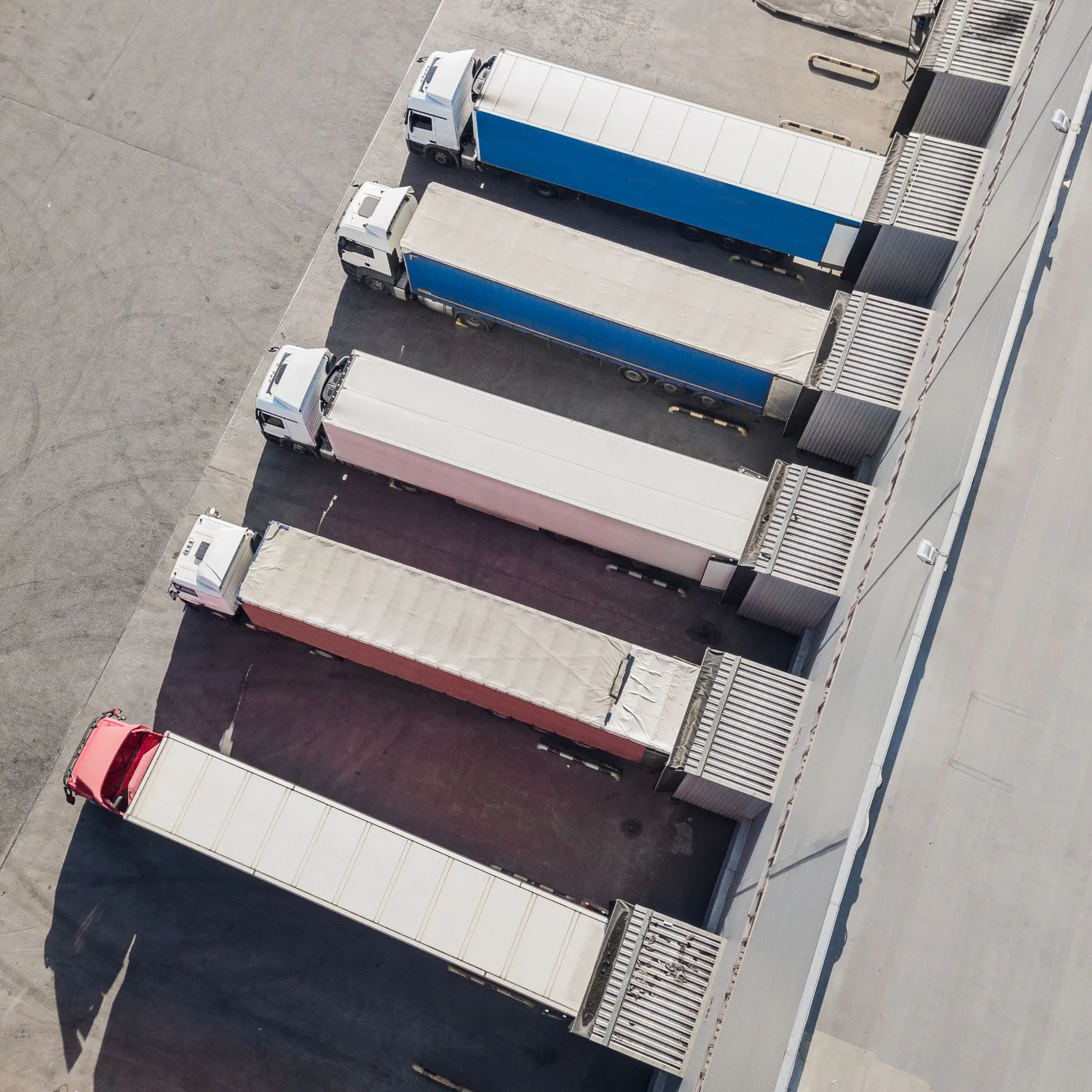
- Reduced Food Waste: Implementing better forecasting and inventory management to prevent overproduction and spoilage. Innovative companies are also exploring ways to upcycle food scraps into new products.
- Sustainable Packaging: Moving away from single-use plastics toward materials that are recyclable, compostable, or biodegradable. The focus is on creating a circular economy where packaging is reused rather than discarded.
These initiatives are not just about corporate responsibility; they are a direct response to consumer demand. Shoppers are increasingly willing to pay a premium for sustainably produced goods, making green logistics a sound business investment.
Technology: The New Backbone of the Fresh Food Supply Chain
To meet the complex demands of the modern consumer, the food supply chain is undergoing a digital revolution. Technology is no longer an add-on but the core infrastructure that enables speed, efficiency, and responsiveness. From artificial intelligence to the Internet of Things (IoT), digital tools are optimizing every aspect of getting fresh food to market.
AI and Machine Learning: Predicting the Future of Food
Predictive analytics, powered by artificial intelligence (AI) and machine learning, is transforming food logistics. By analyzing vast datasets—including historical sales figures, weather patterns, and even social media trends—AI algorithms can forecast consumer demand with remarkable accuracy.
This foresight allows producers and retailers to make smarter decisions. They can optimize planting schedules, adjust inventory levels in real time, and ensure that the right amount of product is in the right place at the right time. The result is a dramatic reduction in food waste, a major challenge for the industry. It also means that consumers are more likely to find the fresh products they want in stock, improving customer satisfaction. Leading organizations like the Association for Supply Chain Management (ASCM) highlight the growing importance of these technologies in building resilient supply networks.
The Internet of Things (IoT) for Unmatched Quality Control
For perishable goods like fresh produce, meat, and dairy, maintaining the cold chain is critical. Any temperature fluctuation can lead to spoilage, financial loss, and potential health risks. The Internet of Things (IoT) is providing a powerful solution to this age-old problem.
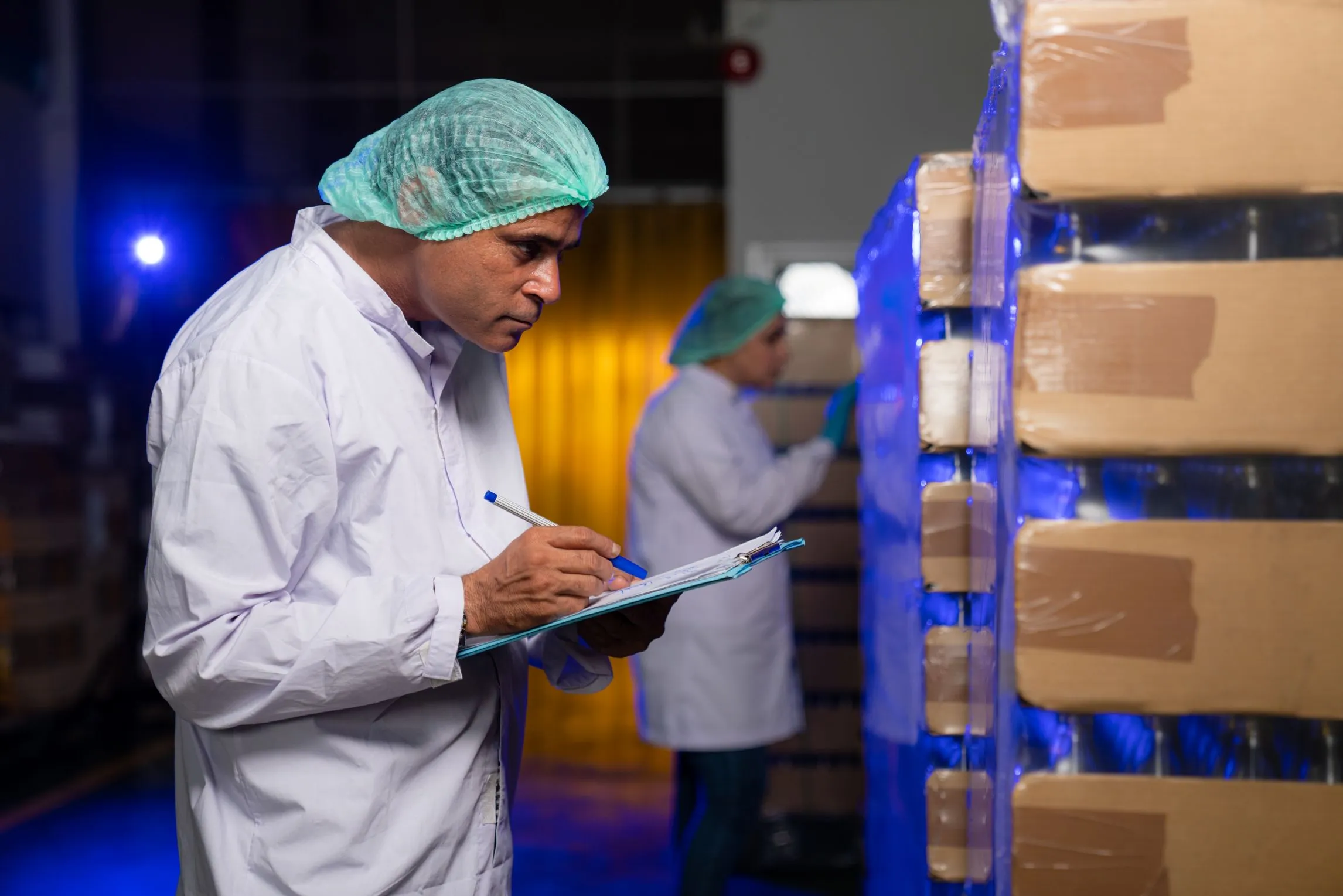
IoT sensors can be placed on crates, pallets, or inside refrigerated trucks to monitor conditions in real time. These sensors continuously track temperature, humidity, and location, transmitting the data to a central dashboard. If a shipment’s temperature begins to deviate from the safe range, an alert is automatically sent to the logistics manager, who can intervene before the product is compromised. This constant monitoring ensures that food arrives at its destination in peak condition, preserving freshness, quality, and safety. This level of detail is a key component of the evolving Fresh Supply Chains 2026 model.
Redefining “Fresh”: The Demand for Clean and Local
Consumer definitions of “fresh” and “healthy” are becoming more sophisticated. It’s no longer just about a recent harvest date. Shoppers are scrutinizing ingredient lists, prioritizing minimally processed foods, and showing a growing preference for locally sourced products.
The Clean Label Movement
The clean label movement is a powerful trend driven by a desire for simplicity and authenticity. Consumers are rejecting products with long, unpronounceable ingredient lists, artificial additives, and preservatives. They want food that is as close to its natural state as possible. This demand for “real food” has significant implications for the supply chain.
To deliver clean-label products, especially in the fresh category, speed and efficiency are paramount. A shorter time between harvest and consumption reduces the need for artificial preservatives. This requires a highly agile and responsive supply chain capable of moving products quickly while maintaining optimal conditions. It also pressures food manufacturers to reformulate products, sourcing natural alternatives to artificial ingredients, a challenge that often involves re-engineering supply and sourcing strategies. The push for clean labels is a central theme discussed by industry experts at publications like Food Dive.
The “Glocal” Phenomenon: Thinking Global, Sourcing Local
While consumers enjoy access to a global marketplace of foods, there is a strong and growing counter-trend toward local sourcing. Supporting local farmers, reducing food miles, and enjoying the superior taste of truly fresh produce are all compelling drivers of this movement. Consumers believe that locally grown food is not only fresher but also better for the local economy and the environment.
This “glocal” (global + local) mindset presents a unique challenge for large retailers. They must supplement their global supply chains with robust local sourcing programs. This involves building relationships with small and medium-sized farms, developing logistics to handle smaller, more frequent deliveries, and creating in-store marketing that highlights local producers. Integrating these local networks into a large-scale operation requires flexibility and a departure from traditional, centralized distribution models. As organizations like the World Economic Forum note, building diverse and resilient food systems often involves a mix of both global and local sourcing strategies.
Looking Ahead: The Future is Agile and Consumer-Centric
The food industry is at a crossroads. The passive consumer of the past is gone, replaced by an active, informed, and demanding participant in the food system. The trends of 2026—the demand for transparency, sustainability, and clean, fresh products—are not fleeting fads. They represent a permanent shift in the consumer-brand relationship.
To thrive in this new environment, companies must build supply chains that are as dynamic and discerning as the consumers they serve. The future belongs to those who embrace technology not as a tool for cutting costs, but as a means of building trust and delivering value. It belongs to those who see sustainability not as a burden, but as a core business principle. Ultimately, the most successful food supply chains design their processes from the consumer backward, creating a seamless, transparent, and responsive journey from the farm to the fork. Companies that understand and adapt to this new reality will not only survive but will lead the industry into a more sustainable and consumer-centric future.