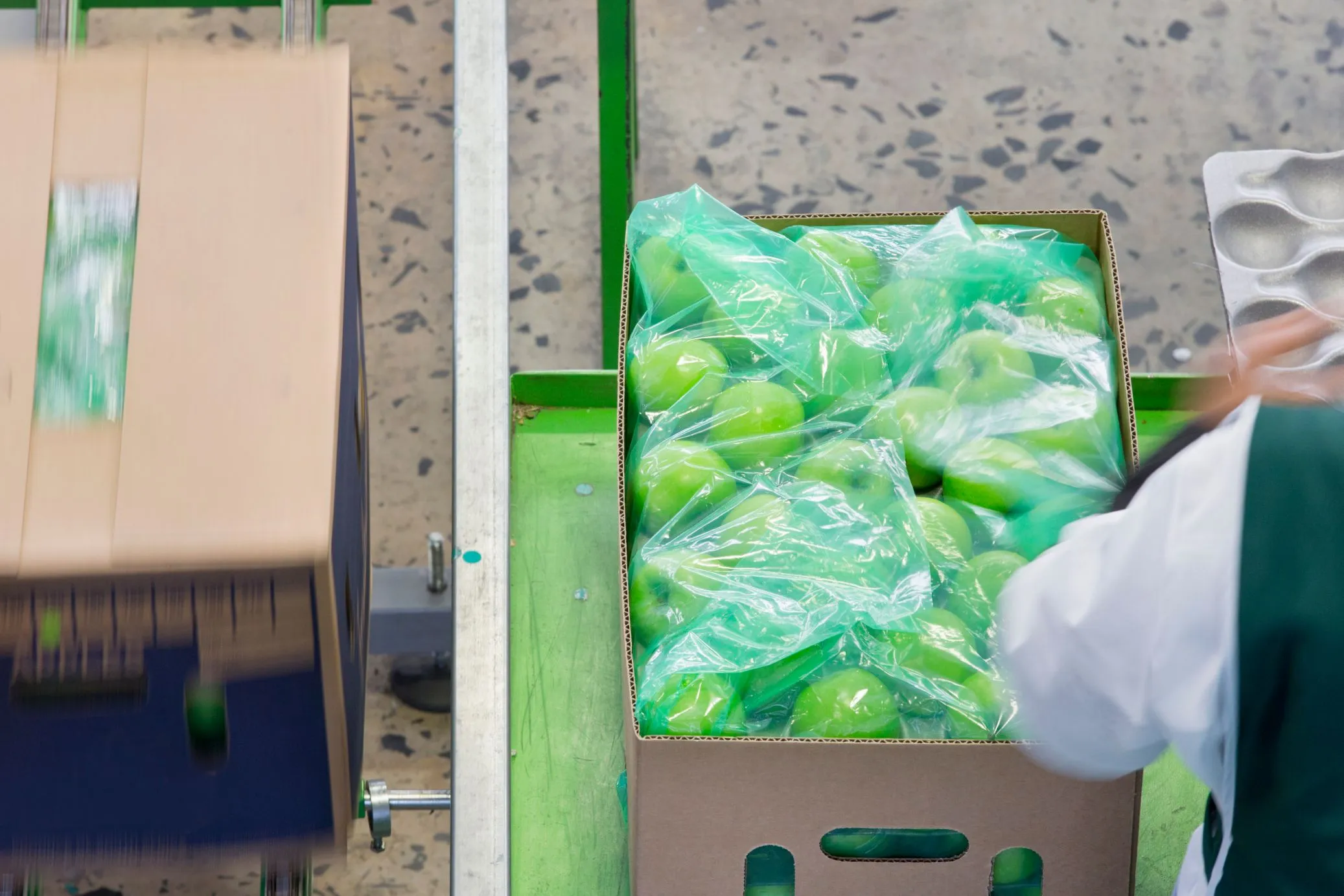
The journey of an apple from a sun-drenched orchard to your kitchen counter is far more complex than it appears. This intricate path, known as the fresh food supply chain, is a delicate dance of timing, temperature control, and logistics. For decades, the industry has navigated these challenges with a mix of experience and intuition. Today, a powerful new element is transforming every step of this journey: data. The shift towards smart fresh food distribution is not just an upgrade; it’s a revolution, promising greater efficiency, reduced waste, and higher quality produce for consumers.
To better understand the transformation data brings, it’s helpful to consult resources such as Food and Agriculture Organization (FAO), which explains the value of digital adoption in food systems, and The World Bank’s agriculture technology overview, highlighting global impacts of data-driven fresh food chains. Organizations like the International Food Policy Research Institute (IFPRI) also emphasize the importance of precision agriculture data for sustainability and resilience. For insights on traceability and supply chain transparency, IBM’s Blockchain for Food Safety demonstrates how data is elevating industry trust and consumer confidence.
This transformation is about making smarter, faster, and more precise decisions at every link in the chain. From predicting harvest yields with greater accuracy to optimizing delivery routes in real-time, data provides the visibility and insight needed to navigate the complexities of perishable goods. For businesses in the food industry, embracing a smart fresh food model is becoming essential for staying competitive. It allows companies to meet the growing consumer demand for transparency, sustainability, and peak freshness. This article explores how data is enhancing fresh food distribution, from the farm to the final feast.
The Foundation: Data Collection at the Source
The journey to a truly smart fresh food system begins where the food itself begins: on the farm. Modern agriculture is no longer just about soil and sunlight; it’s increasingly about sensors and software.
Smart Farming and Precision Agriculture
Precision agriculture leverages technology to monitor and optimize crop growth with incredible detail. Farmers now use a powerful arsenal of data-gathering tools:
- IoT Sensors: Devices placed in fields collect real-time information on soil moisture, nutrient levels, temperature, and humidity. This data allows for precise irrigation and fertilization, ensuring crops receive exactly what they need, when they need it. This reduces water and chemical usage, promoting sustainability.
- Drones and Satellite Imagery: Aerial views provide a macro-level perspective on crop health. Drones equipped with advanced cameras can identify areas of stress, pest infestation, or disease before they become visible to the human eye. This early detection enables targeted interventions, preventing widespread crop loss.
- Automated Farm Equipment: GPS-guided tractors and robotic harvesters operate with sub-inch accuracy. These machines not only improve efficiency but also collect valuable data on yield, planting density, and operational performance, feeding it back into the system for continuous improvement.
By capturing this granular data at the source, producers can make more accurate yield predictions. Knowing how much of a specific crop will be ready for harvest and when is the first critical step in an efficient supply chain. This predictability helps align supply with demand, which is a core principle of smart fresh food management.
Optimizing the Cold Chain with Data
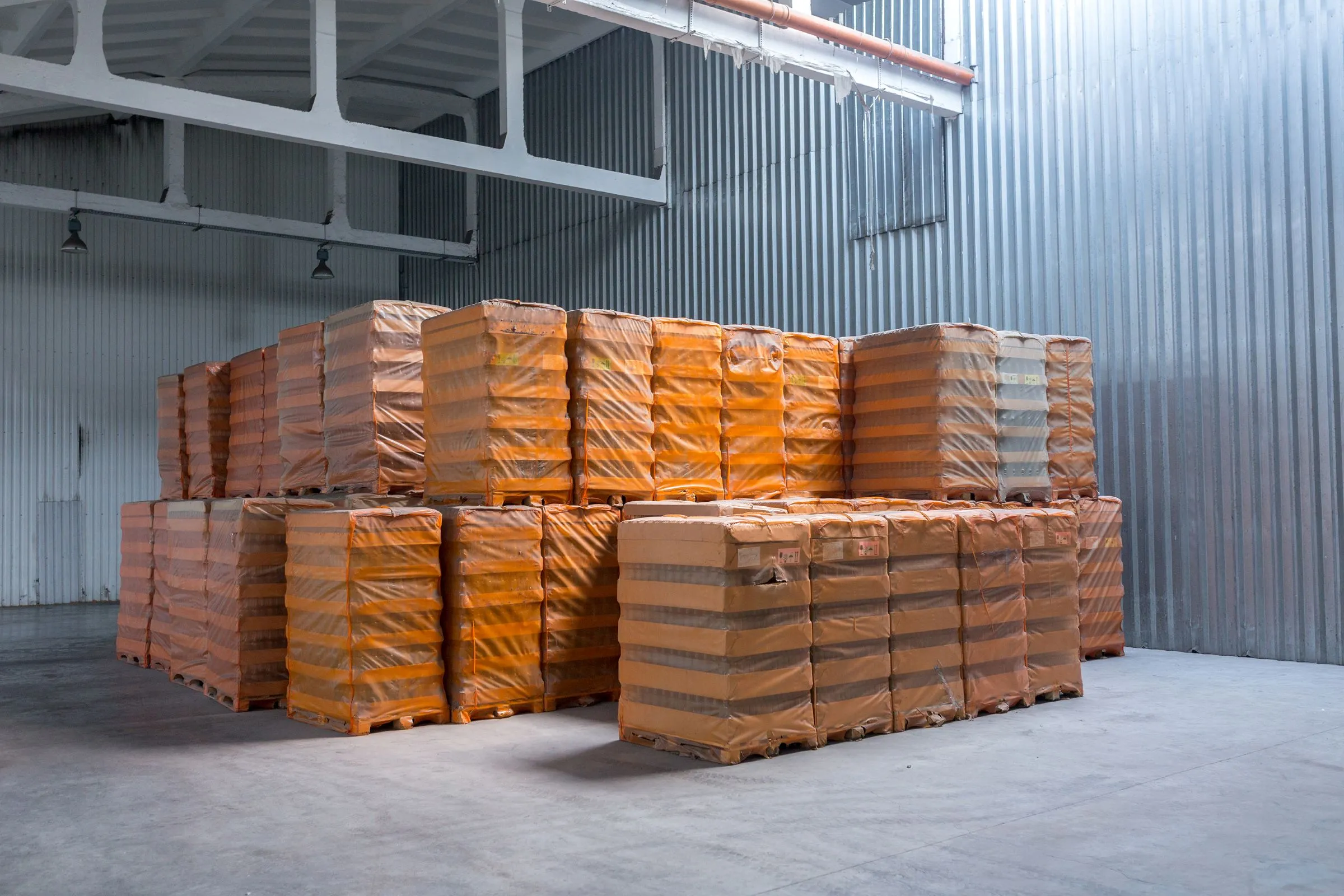
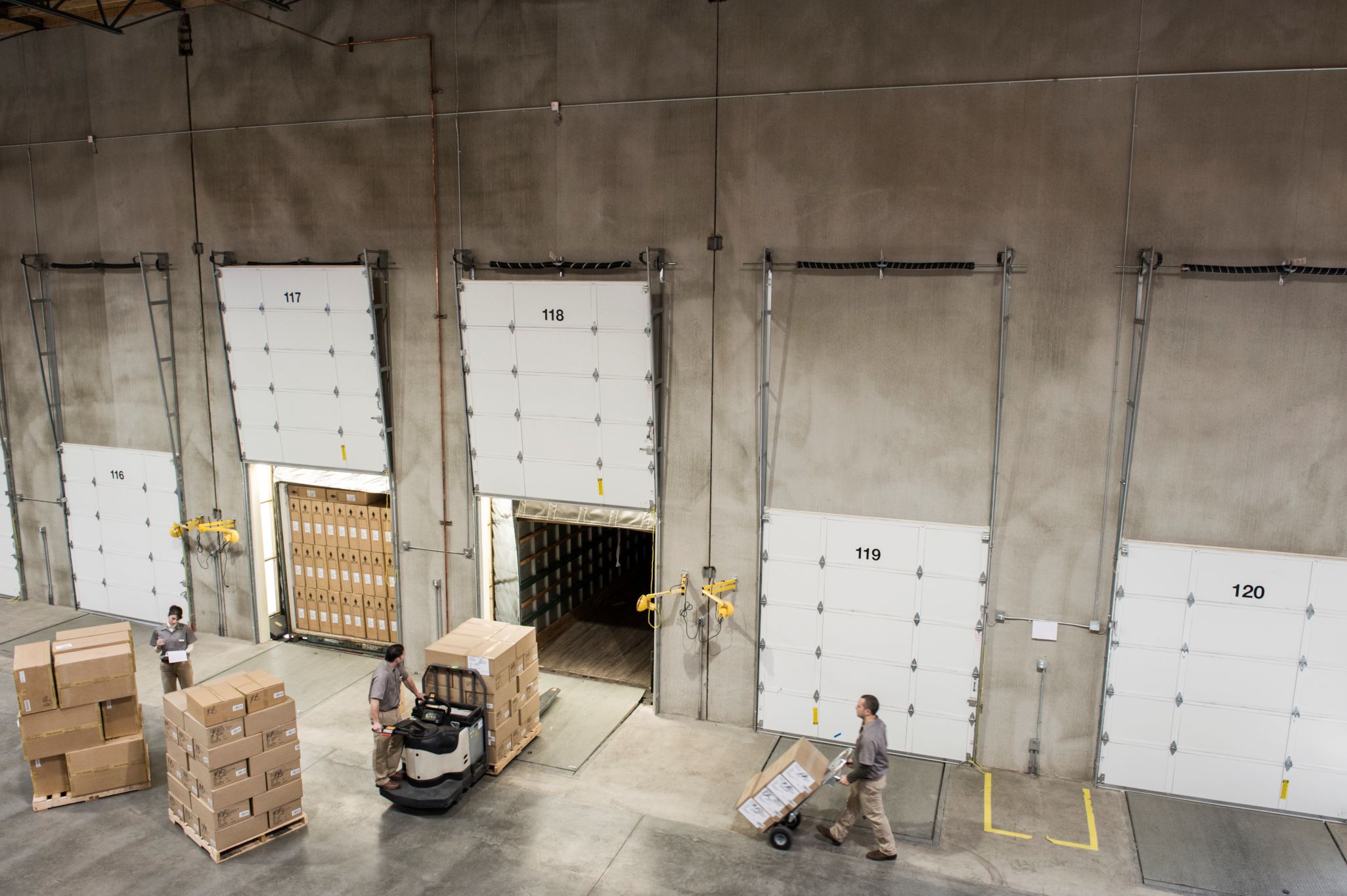
Once farmers harvest produce, the clock starts ticking. The “cold chain”—the temperature-controlled supply chain for perishable goods—is arguably the most critical phase in fresh food distribution. A single temperature fluctuation can compromise the quality, safety, and shelf life of an entire shipment. Data is the key to maintaining the integrity of this fragile process.
Real-Time Monitoring and Control
Traditionally, monitoring the cold chain involved periodic manual checks and using temperature loggers that staff would only read upon arrival. This reactive method often revealed problems too late to address them effectively.
The smart fresh food cold chain is proactive. IoT sensors placed within refrigerated trucks, shipping containers, and warehouses provide a constant stream of real-time data. These sensors monitor not just temperature but also humidity, light exposure, and even shock or vibration. This information is transmitted to a central dashboard, accessible to logistics managers anywhere in the world.
If a refrigerated unit’s temperature begins to drift outside its optimal range, an automated alert is triggered instantly. This allows the driver or warehouse staff to take immediate corrective action, such as adjusting the cooling system or rerouting the shipment to the nearest repair facility. This proactive monitoring minimizes the risk of spoilage, ensuring the produce arrives in pristine condition. This level of oversight is a hallmark of a modern, smart fresh food strategy.
Predictive Maintenance for Logistics
Data does more than just monitor current conditions; it can also predict future problems. By analyzing historical performance data from refrigeration units and delivery vehicles, predictive maintenance algorithms can identify patterns that signal a potential failure. For example, a gradual increase in a cooling unit’s energy consumption might indicate a failing compressor.
This predictive capability allows logistics companies to schedule maintenance before a breakdown occurs, avoiding costly delays and spoiled cargo. Keeping the fleet in optimal condition is fundamental to a reliable smart fresh food supply chain. It turns maintenance from a reactive, disruptive event into a planned, proactive process.
Enhancing Traceability and Transparency
Consumers today want to know more about their food than ever before. They are curious about its origin, its journey, and the sustainability of its production. Data-driven systems, particularly those using blockchain technology, are providing unprecedented levels of transparency.
The Power of Blockchain in Food Supply
Blockchain is a distributed digital ledger that creates a secure and unchangeable record of transactions. In the context of the food supply chain, each step—from harvest to processing to shipping to retail—can be recorded as a “block” of information.
When a consumer scans a QR code on a package of strawberries, they can instantly see a detailed history: the farm where they were grown, the date they were picked, the route they traveled, and the temperature logs from their journey. This creates a direct connection between the consumer and the producer.
This level of traceability is central to building consumer trust, a key goal for any company invested in smart fresh food distribution. Furthermore, in the event of a food safety issue, such as a contamination outbreak, blockchain enables rapid and precise recalls. Instead of pulling all products from the shelves, companies can identify the exact affected batches in minutes, protecting public health while minimizing financial losses.
Smarter Inventory and Demand Forecasting
One of the biggest challenges in the fresh food industry is balancing supply and demand. Overstocking leads to waste, while understocking results in lost sales and unhappy customers. Advanced analytics are making this balancing act much more of a science than an art.
AI-Powered Demand Prediction
By analyzing vast datasets, artificial intelligence (AI) and machine learning models can forecast consumer demand with remarkable accuracy. These models consider dozens of variables, including:
- Historical Sales Data: Identifying patterns and seasonality.
- Weather Forecasts: Predicting how a heatwave might boost demand for salads and fruits.
- Public Holidays and Events: Understanding how events like Thanksgiving or the Super Bowl impact purchasing habits.
- Social Media Trends: Detecting emerging food trends or viral recipes.
Armed with these precise forecasts, retailers and distributors can optimize their inventory levels. They can order just enough stock to meet anticipated demand, drastically reducing the amount of food that spoils on shelves or in warehouses. This efficient inventory management is a cornerstone of a profitable and sustainable smart fresh food business. It ensures that resources are used wisely and that customers can find the fresh products they are looking for.
Dynamic Pricing Strategies
Data also enables dynamic pricing. Retailers can use real-time inventory data to adjust prices automatically. For example, a product nearing its expiration date might be automatically discounted to encourage a quick sale, preventing it from being thrown away. This not only reduces waste but also provides value to budget-conscious shoppers. Implementing such strategies effectively requires a robust smart fresh food infrastructure.
Reducing Food Waste: A Sustainable Outcome
An estimated one-third of all food produced globally for human consumption is lost or wasted. The fresh food supply chain is a major contributor to this problem. Every improvement brought about by smart fresh food distribution directly addresses this critical issue.
- At the Farm: Better yield predictions mean farmers harvest only what is needed, reducing post-harvest losses.
- In Transit: Real-time temperature monitoring and predictive maintenance prevent spoilage during transportation.
- At the Retailer: Accurate demand forecasting and dynamic pricing ensure more food is sold and less is discarded.
By optimizing each stage, a smart fresh food approach creates a more efficient and less wasteful system from end to end. This not only has a positive environmental impact but also improves the bottom line for every business in the chain. The ability to minimize loss is one of the most compelling arguments for adopting these technologies.
The Future of Fresh Food Distribution
The integration of data into the fresh food supply chain is still evolving. Looking ahead, we can expect even more sophisticated applications to emerge. Fully autonomous supply chains, where AI manages everything from harvest schedules to last-mile delivery drones, may be on the horizon. The continued development of IoT and blockchain will provide even deeper insights and greater security.
For a company like LCX Fresh, a commitment to a smart fresh food philosophy is a commitment to excellence. It signals an understanding that modern logistics is about more than just moving boxes; it’s about leveraging information to deliver a superior product. It’s about building a system that is resilient, transparent, and sustainable.
The journey from farm to feast is being redrawn by data. By harnessing its power, we can build a future where fresh food is more accessible, waste is minimized, and the connection between producer and consumer is stronger than ever. The continued investment in smart fresh food systems will be what separates the industry leaders of tomorrow from the followers. It is the key to creating a supply chain that is truly fit for the 21st century, ensuring that every meal is as fresh and flavorful as it was meant to be. This intelligent approach is not just good for business—it’s good for the planet and for everyone who enjoys the simple pleasure of a fresh, healthy meal. This is the promise of a fully realized, smart fresh food ecosystem.