Latin America plays a central role in global perishables trade, supplying everything from fresh flowers and tropical fruits to high-value seafood and specialty agricultural products. However, the region’s export success depends heavily on how efficiently temperature controlled cargo is managed across shifting seasonal cycles.
For instance, from Valentine’s Day flower exports in Colombia to peak seafood shipments from Ecuador and Chile, each commodity presents unique logistical challenges. Ultimately, maintaining product integrity across long distances, multiple climates, and complex infrastructure requires advanced coordination, specialized equipment, and precise timing.
In this environment, managing temperature controlled cargo is not just about preserving quality—it is about ensuring competitiveness in global markets.
Understanding Latin America’s Export Calendar
Ultimately, Latin America’s export calendar is dynamic, primarily because it’s driven by climate diversity, regional production cycles, and global demand patterns. Unlike other regions with more defined harvest windows, Latin America offers near year-round production, creating continuous logistics demand.
Key seasonal highlights include:
- Colombia & Ecuador (Q1): Flowers for Valentine’s Day and Mother’s Day
- Peru (Q3–Q4): Blueberries and asparagus exports
- Chile (Q4–Q1): Cherries and grapes for Asian markets
- Mexico & Central America (year-round): Avocados, berries, seafood
Each of these cycles places pressure on logistics networks, requiring tailored strategies for temperature controlled cargo to maintain consistent performance across peak seasons.
Different Commodities Require Different Strategies
Managing temperature controlled cargo is complex because each product has its own biological and chemical characteristics.
Flowers
For instance, fresh flowers are highly sensitive to temperature fluctuations and dehydration. Consequently, even slight temperature increases can accelerate blooming and reduce shelf life.
Seafood
Therefore, seafood requires near-freezing temperatures to prevent bacterial growth and maintain freshness. In fact, any deviation can quickly lead to spoilage.
Fruits and Vegetables
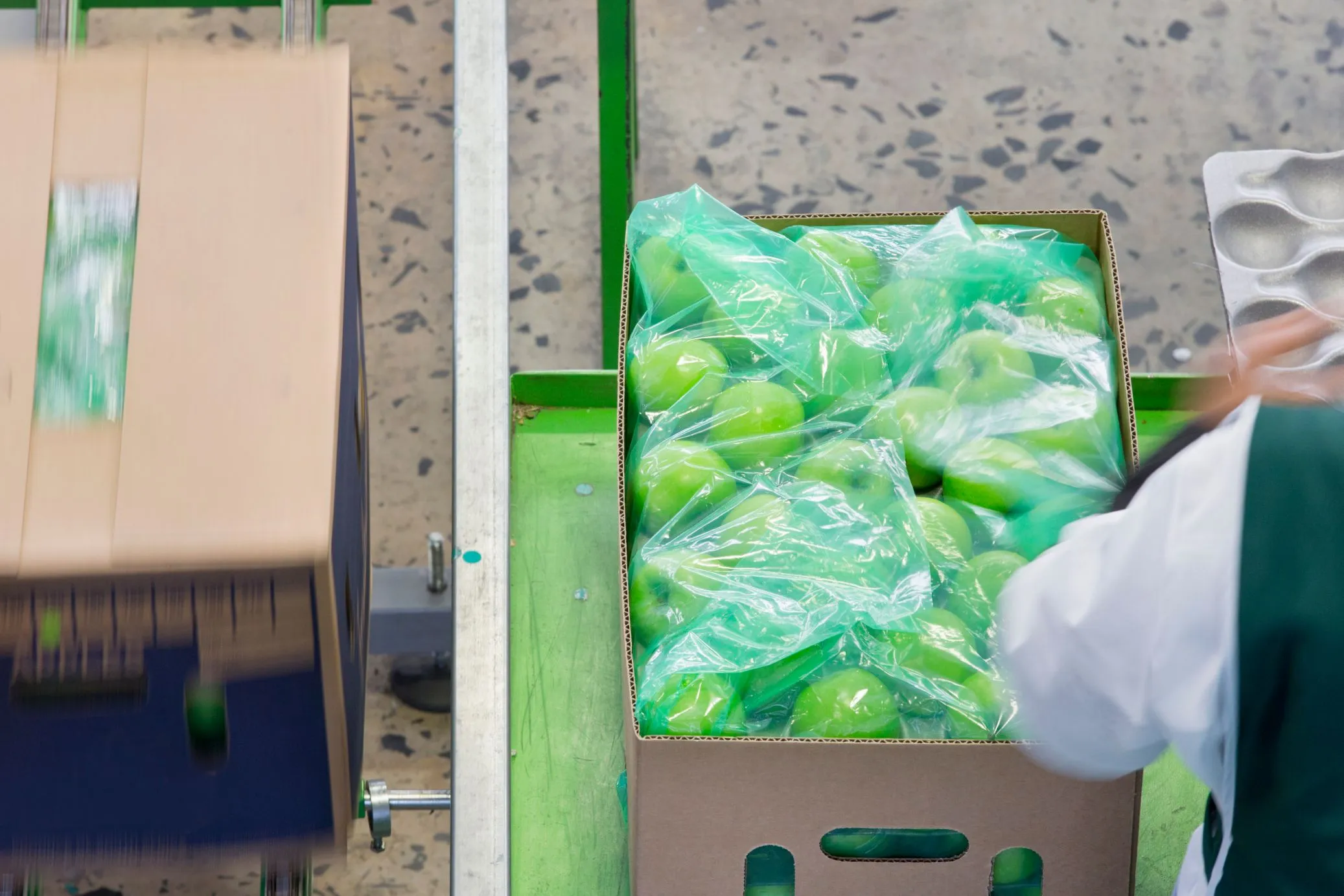
Produce continues to respire after harvest, making temperature regulation essential to slow down ripening.
Pharmaceuticals and Specialty Goods
Some exports require strict compliance with regulatory standards, including narrow temperature ranges and traceability.
Because of these differences, effective temperature controlled cargo management must be commodity-specific and highly precise.
Air Freight vs Ocean Freight
Transportation mode selection is a critical decision in managing perishables across Latin America.
Air Freight
Air cargo is essential for high-value and highly perishable products such as flowers, berries, and seafood.
Benefits include:
- Faster transit times
- Reduced exposure to temperature fluctuations
- Ideal for time-sensitive exports
According to the International Air Transport Association (IATA), standardized procedures for perishable cargo handling are essential to maintaining product integrity in air transport.
Ocean Freight
Refrigerated containers (reefers) are widely used for larger volumes and less time-sensitive goods.
Advantages include:
- Cost efficiency for bulk shipments
- Stable temperature control over long distances
- Suitable for products with longer shelf life
However, ocean freight requires strong planning due to longer transit times and potential port congestion.
The Food and Agriculture Organization (FAO) emphasizes that improved cold chain infrastructure is essential for reducing global food loss.
The Importance of Pre-Cooling and Origin Handling
The cold chain begins at origin. Proper pre-cooling is critical for removing field heat and stabilizing products before transport.
Without this step, even the most advanced temperature controlled cargo systems cannot prevent deterioration.
Best practices include:
- Rapid pre-cooling after harvest
- Temperature-controlled packing facilities
- Immediate transfer to cold storage
These measures create the foundation for successful cold chain logistics across Latin America’s export routes.
Managing Peak Demand Periods
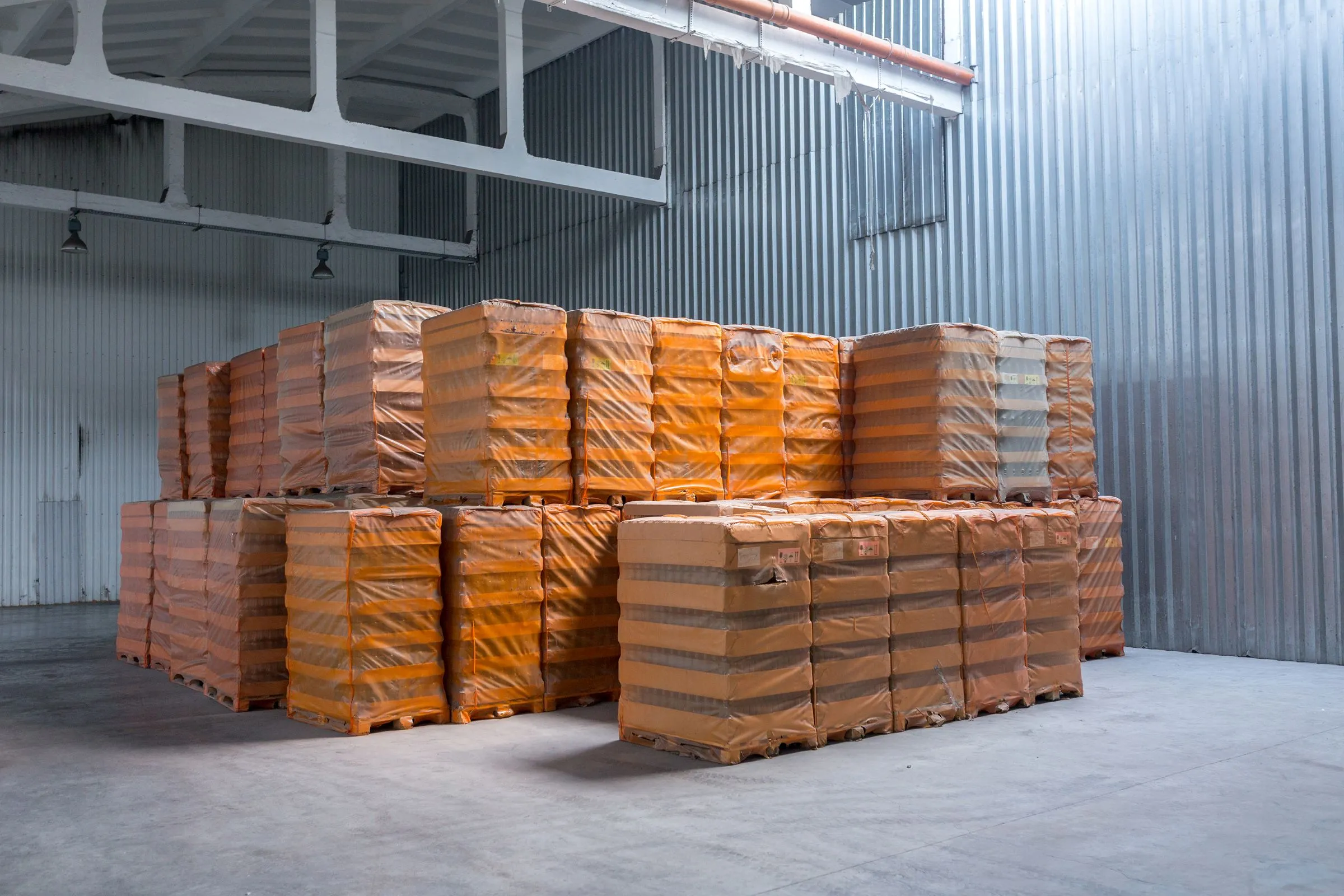
Seasonal peaks create bottlenecks across logistics networks. Airports, ports, and cold storage facilities often operate at maximum capacity during export surges.
For example:
- Valentine’s Day flower exports strain air cargo capacity in Colombia
- Cherry season in Chile increases demand for both air and ocean freight
- Seafood exports surge during global holiday periods
Effective temperature controlled cargo strategies during these peaks include:
- Pre-booking cargo space
- Securing refrigerated storage capacity
- Diversifying transport routes
- Collaborating with logistics partners
The World Bank highlights that logistics efficiency is a key factor in trade competitiveness for emerging markets.
Tech and Visibility in Temperature-Controlled Cargo
Modern supply chains rely heavily on data and real-time monitoring.
Advanced temperature controlled cargo solutions include:
- IoT temperature sensors
- GPS tracking systems
- Automated alerts for deviations
- Cloud-based monitoring platforms
These technologies provide end-to-end visibility, allowing logistics teams to respond quickly to potential risks.
Organizations such as GS1 emphasize the importance of traceability in ensuring product safety and supply chain transparency.
Cross-Border Logistics and Infrastructure Challenges
Latin America presents unique logistics challenges, including:
- Border delays
- Infrastructure limitations
- Regulatory complexity
- Varying cold chain capabilities across countries
Managing temperature controlled cargo in this environment requires strong coordination and contingency planning.
Strategies include:
- Working with experienced regional logistics partners
- Ensuring compliance with local regulations
- Using bonded cold storage facilities
- Planning alternative routes
These measures reduce the risk of delays and maintain temperature integrity.
Packaging and Handling for Different Commodities
Packaging plays a crucial role in maintaining temperature stability.
Effective temperature controlled cargo packaging should:
- Allow proper airflow
- Provide insulation
- Protect against physical damage
- Maintain humidity levels
Examples include:
- Insulated boxes for seafood
- Ventilated packaging for produce
- Moisture-controlled packaging for flowers
Proper handling procedures further reduce spoilage risks during loading and unloading.
Sustainability in Temperature-Controlled Logistics
Sustainability is becoming increasingly important in global supply chains.
Reducing spoilage through improved temperature controlled cargo management contributes to:
- Lower food waste
- Reduced carbon emissions
- More efficient resource use
Companies are adopting:
- Energy-efficient refrigeration systems
- Optimized transportation routes
- Sustainable packaging solutions
These initiatives align operational efficiency with environmental responsibility.
Building a Resilient Export Strategy
Managing temperature controlled cargo across Latin America’s export calendar requires a proactive approach.
Key success factors include:
- Seasonal forecasting
- Infrastructure planning
- Technology adoption
- Strong logistics partnerships
Businesses that invest in these areas can navigate peak demand periods while maintaining product quality and reliability.
Conclusion
From flowers to seafood, Latin America’s export economy depends on the efficient movement of perishable goods across global markets. Each commodity presents unique challenges, but all share a common requirement: precise temperature management.
Effective temperature controlled cargo strategies ensure that products maintain their quality from origin to destination, even during peak export seasons and complex logistics scenarios.
As the demand for fresh, high-quality products continues to grow, it is clear that companies mastering temperature controlled cargo logistics will consequently gain a significant competitive advantage in the global marketplace.