Global demand for fresh produce, seafood, pharmaceuticals, and other temperature-sensitive goods continues to grow. However, with longer supply chains and increased transportation complexity, the risk of spoilage has become one of the most significant challenges facing exporters and distributors. This is where temperature controlled logistics plays a critical role.
Spoilage in perishable supply chains is often caused by temperature fluctuations during transportation, storage, and handling. Even short exposure to unsuitable conditions can accelerate degradation, reduce shelf life, and result in rejected shipments. By implementing advanced temperature controlled logistics, companies can significantly reduce losses while ensuring products reach their destination in optimal condition.
For businesses operating in global perishables markets, temperature management is no longer just an operational detail—it is a strategic component of supply chain performance.
The Global Cost of Spoilage in Perishable Supply Chains
Food and perishables spoilage is a major global problem. According to the Food and Agriculture Organization (FAO), roughly one-third of food produced worldwide is lost or wasted throughout the supply chain.
A significant portion of these losses occurs during transportation and storage due to improper temperature management. In industries such as fresh produce, seafood, flowers, and pharmaceuticals, even minor deviations can have costly consequences.
Common causes of spoilage include:
- Temperature fluctuations during transit
- Insufficient pre-cooling before shipment
- Delays at ports or airports
- Poor packaging and airflow
- Lack of real-time temperature monitoring
Proper temperature controlled logistics directly addresses these risks by ensuring a stable environment from origin to destination.
Why Temperature Stability Matters in Perishable Logistics
Temperature affects biological and chemical processes within perishable goods. Fruits and vegetables continue to respire after harvest, seafood rapidly deteriorates outside controlled environments, and pharmaceuticals can lose potency when exposed to improper temperatures.
Maintaining consistent conditions through temperature controlled logistics slows these processes and preserves product integrity.
Shelf Life Extension
Cold chain management allows exporters to extend the shelf life of products during transportation. For example, berries shipped at optimal temperatures maintain firmness, flavor, and safety for longer periods.
Quality Preservation
Temperature deviations often cause:
- texture deterioration
- microbial growth
- loss of nutritional value
- reduced visual quality
Through reliable temperature controlled logistics, suppliers maintain the product quality expected by global markets.
The Role of the Cold Chain in Reducing Spoilage
The cold chain is a logistics network designed to maintain products within specific temperature ranges from production to final delivery. Effective cold chain infrastructure is built around multiple stages working together.
These stages include:
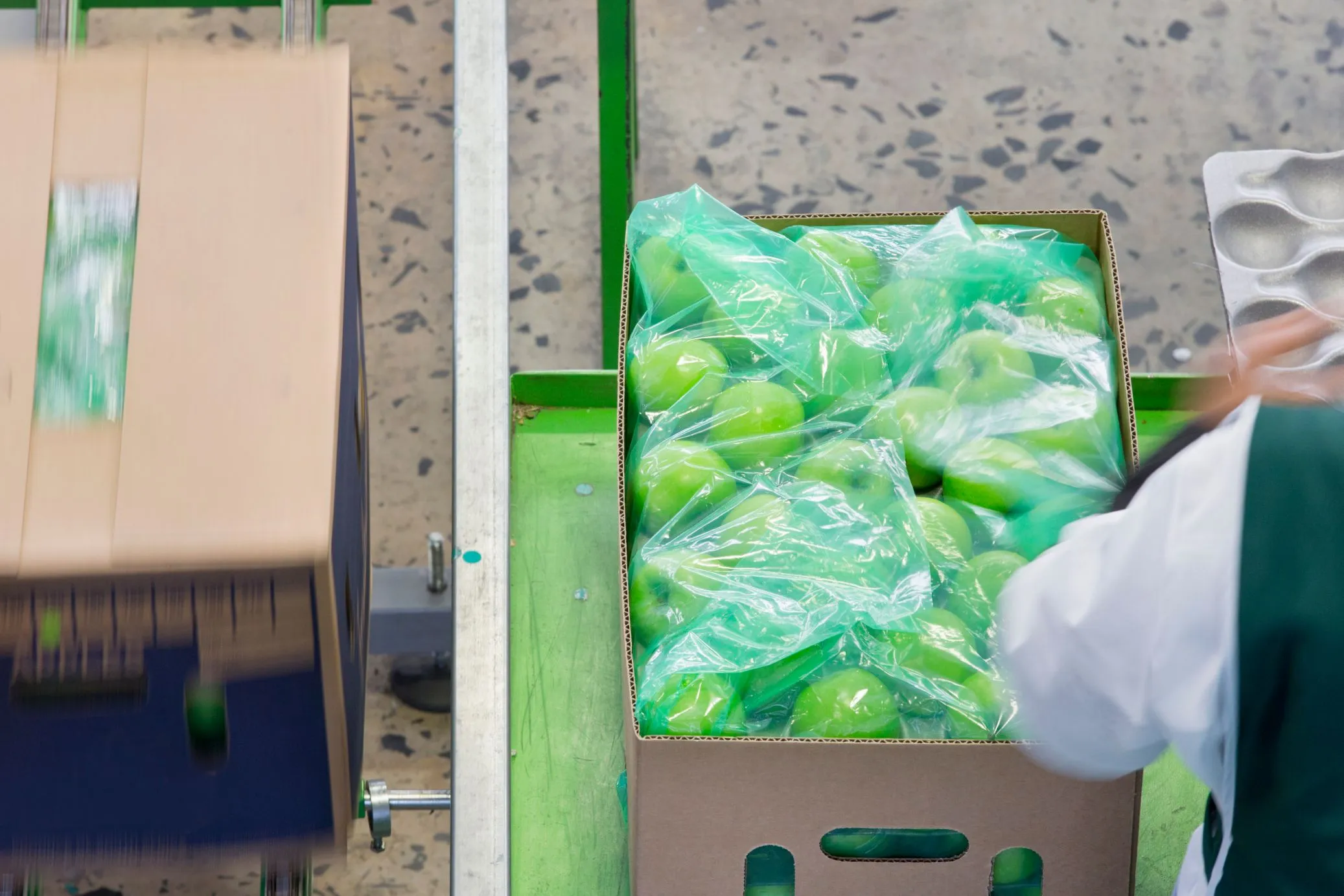
- Pre-cooling immediately after harvest
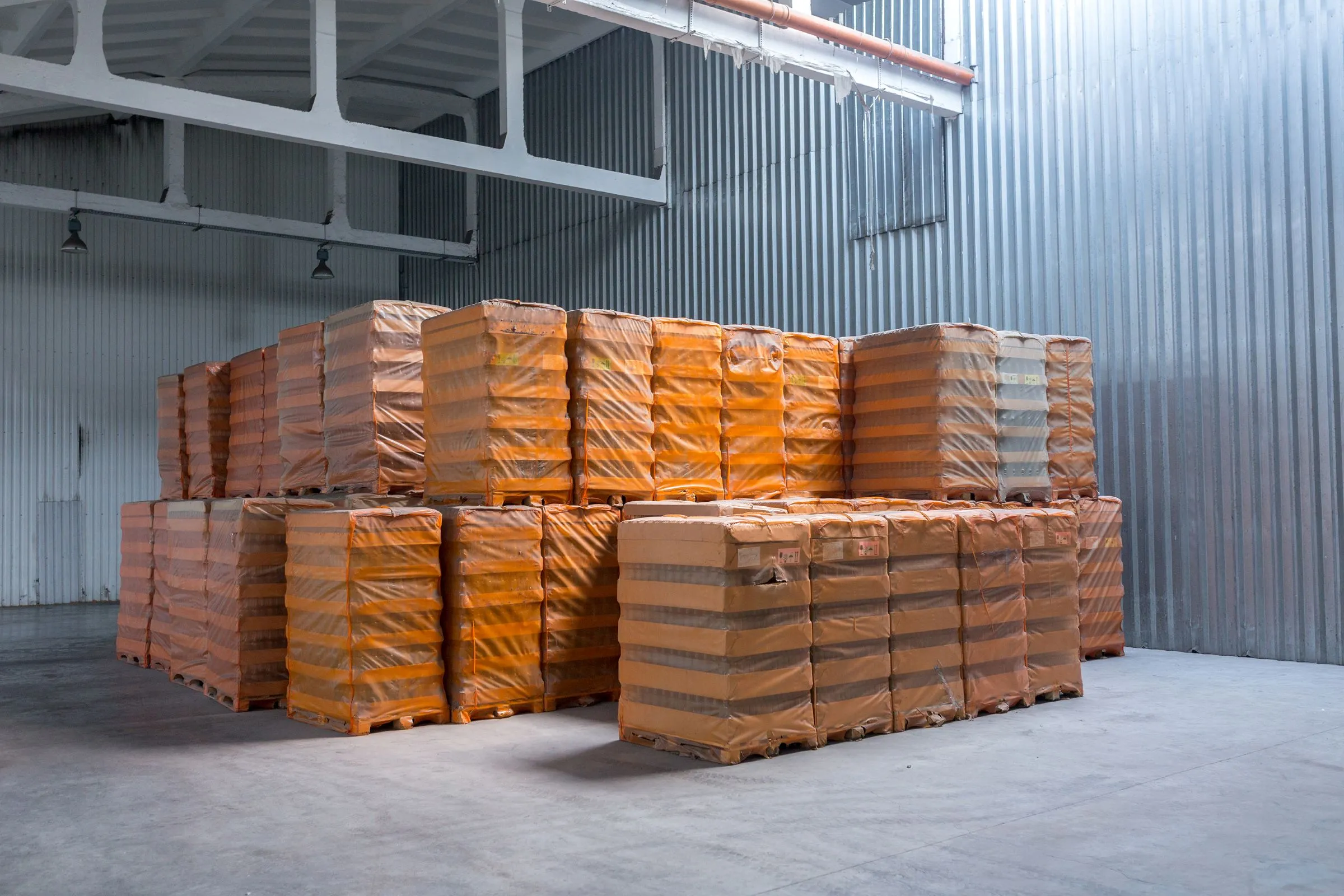
- Refrigerated storage facilities
- Temperature-controlled transportation
- Monitoring and data tracking
- Controlled distribution environments
Each stage contributes to reducing spoilage and ensuring product safety.
According to the International Air Transport Association (IATA), specialized handling standards for perishables are essential for maintaining product integrity during air cargo transport.
These standards reinforce the importance of structured temperature controlled logistics across international supply chains.
Pre-Cooling: The First Step to Prevent Spoilage
The cold chain begins at the origin. Pre-cooling is one of the most critical steps in temperature management.
Fresh produce harvested from fields often retains heat from the environment. If that heat is not removed quickly, deterioration begins immediately.
Common pre-cooling methods include:
- forced air cooling
- hydro cooling
- vacuum cooling
- ice cooling systems
By removing field heat rapidly, exporters enable temperature controlled logistics systems to maintain product stability throughout transportation.
Temperature-Controlled Transportation
Transportation is one of the most vulnerable points in the supply chain. Goods are exposed to handling, transfers, and potential delays.
Modern temperature controlled logistics relies on specialized transportation solutions such as:
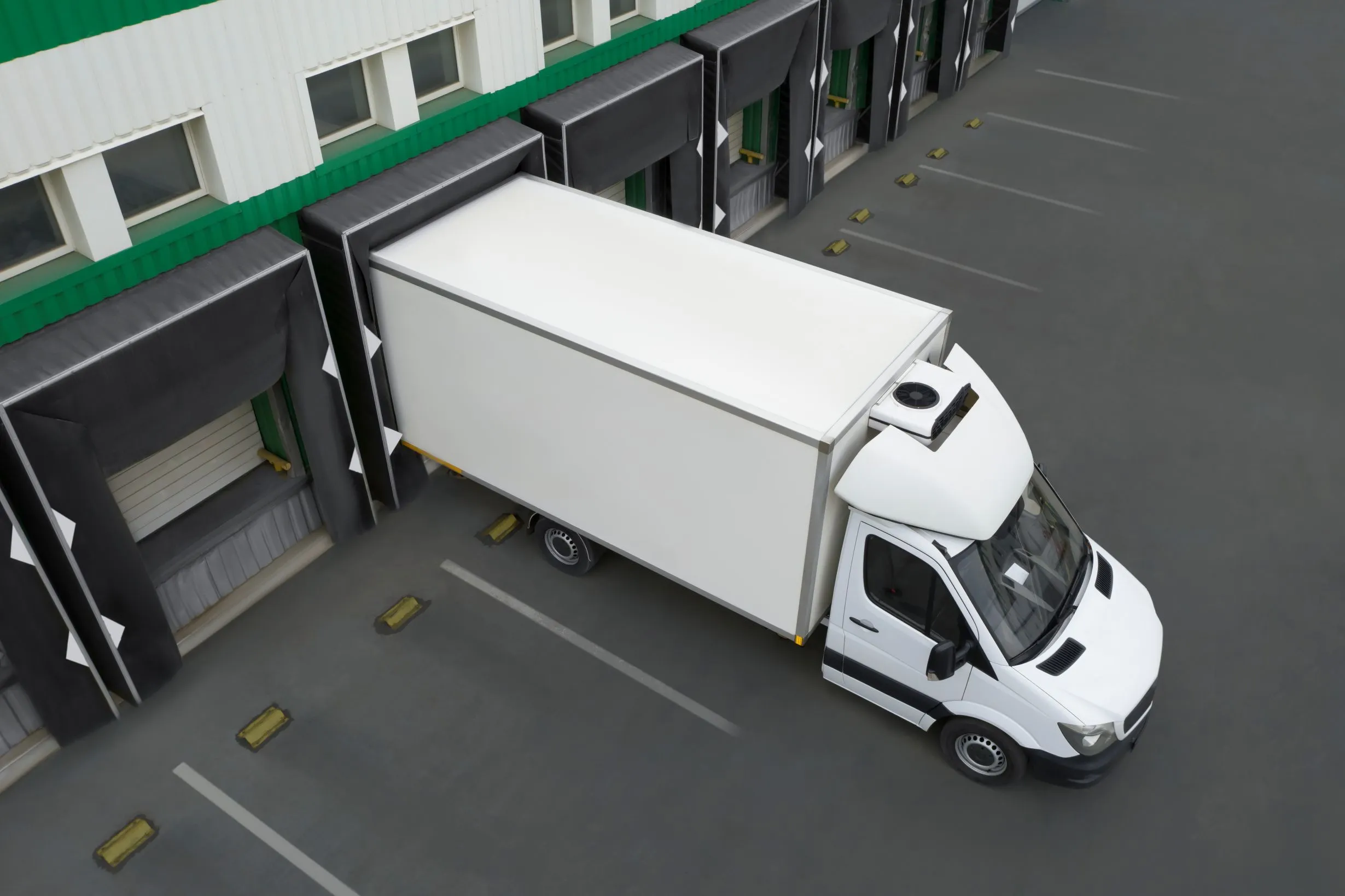
- refrigerated trucks
- insulated containers
- active temperature-controlled air cargo units
- reefer containers for ocean freight
These systems maintain precise temperature ranges suitable for each commodity.
For example:
- fresh berries: 0–2°C
- seafood: −1 to 2°C
- tropical fruits: 10–13°C
Maintaining these conditions throughout transportation dramatically reduces spoilage rates.
Monitoring and Real-Time Visibility
One of the most important innovations in modern temperature controlled logistics is real-time monitoring technology.
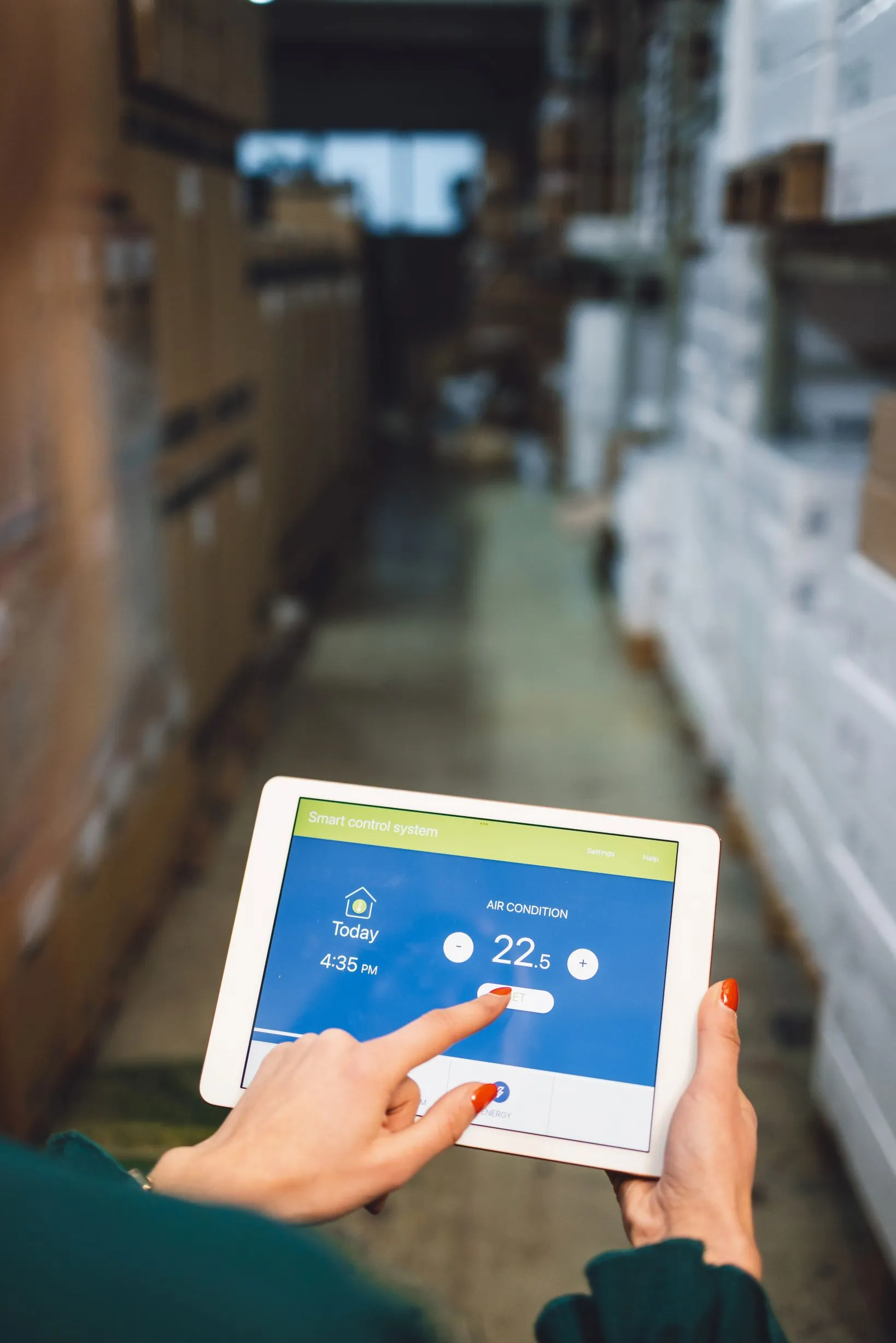
Temperature sensors and data loggers allow logistics teams to track cargo conditions throughout transit.
These systems provide:
- continuous temperature monitoring
- GPS tracking of shipments
- alerts for temperature deviations
- data records for quality verification
Organizations such as GS1 highlight the importance of supply chain traceability and monitoring to ensure product safety and transparency.
Real-time data allows supply chain managers to intervene before temperature fluctuations cause irreversible spoilage.
Managing Transportation Delays
Delays are unavoidable in global logistics. Weather disruptions, customs inspections, and infrastructure bottlenecks can extend transit times.
Without proper contingency planning, delays may expose products to harmful temperature changes.
Effective temperature controlled logistics mitigates these risks by implementing strategies such as:
- access to refrigerated holding areas at airports and ports
- contingency routing options
- insulated packaging for additional protection
- coordination with logistics partners to prioritize perishable shipments
The World Bank has emphasized that logistics infrastructure and cold chain efficiency are key factors in improving agricultural export competitiveness in developing regions.
Strong cold chain planning ensures perishable shipments remain protected even when unexpected disruptions occur.
Packaging and Airflow Optimization
Packaging plays an essential role in spoilage prevention. Proper airflow allows cold air to circulate evenly around products.
Inadequate packaging can trap heat and create temperature pockets inside shipments.
Effective temperature controlled logistics incorporates packaging designed to:
- promote airflow
- maintain insulation
- reduce moisture accumulation
- protect delicate products from physical damage
Modern packaging innovations include insulated liners, phase change materials, and modified atmosphere packaging.
Commodity-Specific Temperature Management
Different products require different temperature conditions. A one-size-fits-all approach cannot protect perishable shipments effectively.
For example:
Fruits and Vegetables
Respiration rates must be slowed without freezing sensitive products.
Seafood
Requires near-freezing conditions to maintain freshness.
Flowers
Need stable temperatures to preserve appearance and hydration.
Pharmaceuticals
Must remain within strict regulatory temperature ranges.
By tailoring temperature controlled logistics to specific commodities, supply chains can significantly reduce spoilage risks.
Sustainability and Waste Reduction
Reducing spoilage is not only an economic issue—it is also a sustainability challenge.
Food waste contributes significantly to global greenhouse gas emissions. By improving cold chain infrastructure and adopting advanced temperature controlled logistics, companies can reduce environmental impact.
Strategies that improve sustainability include:
- optimized route planning
- energy-efficient refrigeration systems
- consolidated shipments to reduce transport emissions
- reduced product waste through improved temperature control
These improvements create both economic and environmental benefits across supply chains.
Technology Driving the Future of Temperature-Controlled Logistics
Technological innovation continues to transform the way perishables are transported.
Key technologies shaping the future of temperature controlled logistics include:
- Internet of Things (IoT) temperature sensors
- predictive analytics for spoilage risk
- blockchain traceability systems
- AI-driven logistics optimization
These technologies provide deeper visibility into supply chains and help companies respond quickly to potential risks.
As global trade expands and perishables supply chains grow more complex, technology will become even more important in preventing spoilage.
Building Resilient Perishables Supply Chains
Companies that prioritize temperature controlled logistics gain a competitive advantage in global markets. By investing in cold chain infrastructure, monitoring technologies, and specialized transportation, exporters can protect product quality and reduce losses.
For businesses shipping fresh produce and other sensitive commodities, logistics performance directly impacts profitability and customer satisfaction.
Reducing spoilage requires collaboration between growers, logistics providers, storage facilities, and distributors. When these partners work together within a well-structured cold chain system, products arrive fresh, safe, and market-ready.
Conclusion
Spoilage is one of the most costly challenges in global perishables logistics. However, with proper planning and infrastructure, it can be significantly reduced.
Modern temperature controlled logistics ensures that perishable goods remain within safe temperature ranges throughout their journey, protecting product quality and minimizing waste.
As international trade continues to expand, companies that invest in advanced cold chain solutions will be best positioned to meet growing demand while maintaining high standards of quality and sustainability.
For exporters and distributors alike, improving temperature controlled logistics is not simply about transportation—it is about building resilient, efficient, and reliable supply chains for the future.