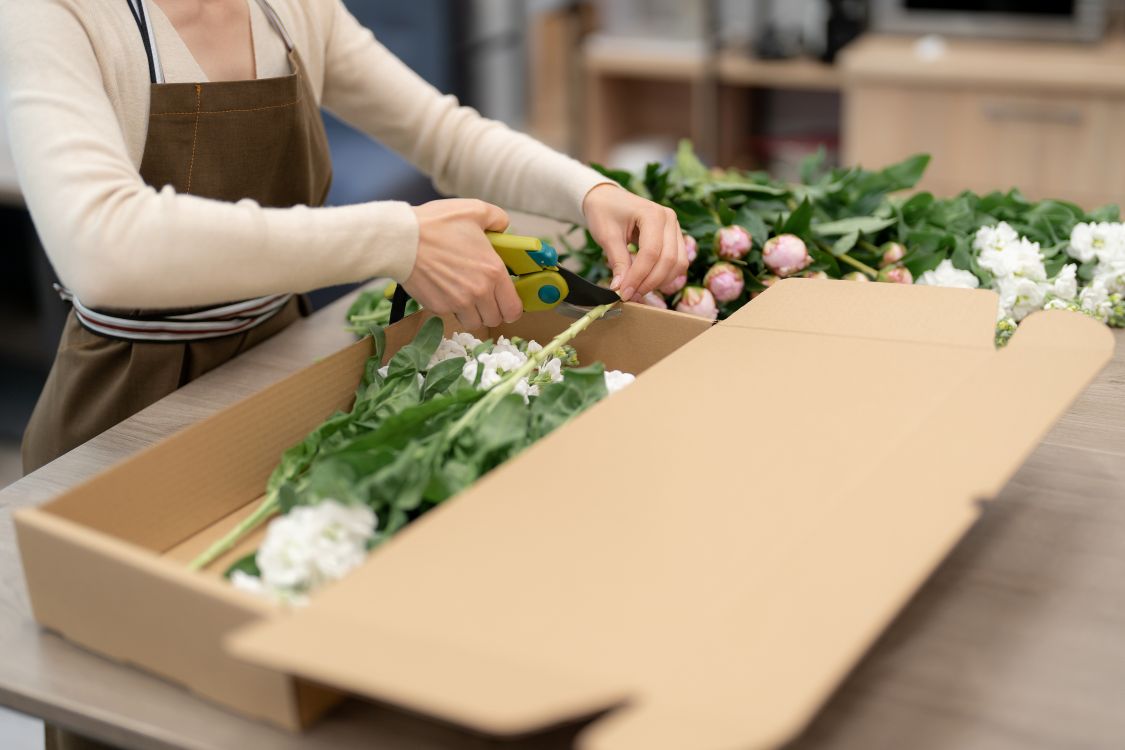
Holiday demand creates some of the most demanding transportation windows in the global floral industry.
Valentine’s Day, Mother’s Day, and other major floral occasions generate concentrated demand for fresh flowers, requiring exporters, freight forwarders, airlines, cold storage operators, and distributors to coordinate large shipment volumes within limited delivery windows.
Unlike many other products, fresh flowers are both temperature-sensitive and commercially time-sensitive. A shipment arriving after a major holiday may lose significant market value even when the flowers remain in acceptable condition.
This makes flower air cargo planning essential for protecting freshness, securing transportation capacity, and meeting critical retail deadlines.
How should flower air cargo be prepared for holiday demand? Successful holiday flower logistics requires early air cargo capacity planning, coordinated harvest and packing schedules, commodity-appropriate temperature control, efficient airport handling, advance customs preparation, and reliable refrigerated distribution.
The objective is not simply to transport flowers quickly. It is to coordinate every stage of the cold chain around the date when flowers must reach their destination markets.
Why Holiday Demand Creates Pressure on Flower Air Cargo
The global flower industry operates around seasonal production cycles and concentrated purchasing periods.
Major floral occasions can create significant increases in demand for roses, carnations, chrysanthemums, and other cut flowers.
Export markets such as Colombia and Ecuador play important roles in supplying flowers to the United States and other international destinations.
During peak demand, several logistics resources may experience pressure simultaneously:
- Available air cargo capacity
- Refrigerated trucking
- Airport handling facilities
- Temperature-controlled warehouse space
- Ground handling personnel
- Customs and agricultural inspection resources
- Regional distribution networks
These challenges become particularly important because floral shipments must reach retailers before specific commercial deadlines.
As explained in Flower Cold Chain Logistics: How Temperature, Timing, and Handling Protect Every Bloom, protecting flowers requires coordinated temperature management, handling, transportation, and timing throughout the journey.
During holiday peaks, these requirements become even more critical.
A delay at one stage can affect the entire distribution schedule.
Step 1: Forecast Flower Volumes Before Holiday Peaks
Effective seasonal planning begins with understanding expected shipment volumes and the dates when products must reach their destination markets.
Flower exporters and logistics teams should evaluate:
- Historical holiday shipment volumes
- Expected customer orders
- Production and harvest forecasts
- Destination markets
- Weekly shipping requirements
- Available transportation routes
- Expected warehouse demand
- Previous seasonal bottlenecks
Forecasting should also consider how concentrated demand may become.
Moving a consistent volume of flowers throughout the year creates different operational requirements from transporting several weeks of normal volume within a short holiday shipping window.
The planning principles discussed in Preparing Cold Chains for Peak Perishable Seasons: Capacity, Storage, and Timing demonstrate why seasonal forecasting must connect transportation, warehouse throughput, and distribution capacity.
For flower exporters, this coordination should begin before harvesting and packing schedules are finalized.
The strongest holiday logistics plans work backward from the required retail delivery date rather than forward from the anticipated shipping date.
Step 2: Secure Air Cargo Capacity Early
Air transportation plays a central role in international flower logistics because fresh flowers must reach destination markets quickly while maintaining suitable environmental conditions.
However, peak holiday periods can create intense competition for available cargo space.
When multiple exporters require transportation during the same limited window, securing reliable capacity becomes a strategic priority.
Effective flower air cargo planning may include:
- Forecasting weekly cargo volumes
- Reserving air freight capacity in advance
- Coordinating schedules with airline partners
- Confirming cargo acceptance requirements
- Identifying alternative flight options
- Planning refrigerated transportation to the airport
- Establishing contingency arrangements
The advantages of air transportation for sensitive commodities are explored further in Why Air Cargo Matters for High-Value Perishables Logistics.
For flowers, transportation speed can help preserve valuable selling time, but speed alone is insufficient.
A fast flight cannot compensate for poor origin handling, prolonged airport exposure, or delayed distribution after arrival.
The entire logistics network must be prepared to support the transportation schedule.
Step 3: Prepare the Floral Cold Chain at Origin
Cold chain performance begins before flowers reach the airport.
After harvesting, flowers continue undergoing biological processes that influence freshness, water balance, and vase life.
Appropriate postharvest handling helps slow deterioration and protect commercial quality.
Depending on the flower variety and shipment requirements, origin preparation may include:
- Harvesting at the appropriate maturity stage
- Prompt movement into suitable postharvest conditions
- Commodity-specific cooling
- Hydration or conditioning procedures
- Careful grading and packing
- Protection against physical damage
- Refrigerated transportation to the airport
Flowers should enter transportation under the conditions established for the specific product.
Refrigerated trucks are generally intended to maintain suitable cargo conditions rather than rapidly remove substantial field heat from improperly cooled products.
This distinction becomes particularly important during holiday peaks, when large volumes can place additional pressure on cooling and packing operations.
Origin preparation should therefore be synchronized with confirmed transportation capacity.
Harvesting or packing more flowers than the logistics network can move efficiently may create unnecessary dwell time before departure.
Step 4: Coordinate Airport Handling and Transfers
Airports represent critical transfer points in international floral logistics.
Flowers may move through cargo acceptance, security procedures, staging areas, warehouse operations, aircraft loading, unloading, and destination handling before continuing toward distribution.
Each transition introduces potential exposure to ambient conditions, physical handling, or delays.
The procedures discussed in Perishable Handling Best Practices: How to Protect Quality at Every Transfer Point explain why cargo should ideally move between prepared environments without unnecessary waiting.
For holiday flower air cargo, this requires close coordination between exporters, trucking providers, freight forwarders, airlines, and ground handlers.
Key priorities include:
- Confirming cargo acceptance appointments
- Preparing shipment documentation
- Coordinating truck arrivals
- Minimizing uncontrolled staging
- Maintaining suitable storage conditions
- Protecting cartons and pallet stability
- Communicating schedule changes promptly
A practical planning framework is:
| Logistics Stage | Main Holiday Risk | Preparation Strategy |
|---|---|---|
| Harvest and packing | Volume congestion | Align production with bookings |
| Origin trucking | Pickup delays | Schedule refrigerated transport |
| Airport acceptance | Long waiting periods | Confirm acceptance readiness |
| Terminal handling | Temperature exposure | Coordinate controlled staging |
| Aircraft loading | Missed connections | Align cargo with flight schedules |
| Destination arrival | Handling congestion | Prepare receiving arrangements |
| Final distribution | Missed retail deadlines | Schedule delivery in advance |
The objective is to protect both the physical condition of the flowers and the time remaining before the holiday selling window.
Holiday flower logistics succeeds when transportation capacity, cold chain continuity, and delivery timing operate as one coordinated system.
Step 5: Prepare Customs and Destination Handling Before
The arrival of a flower shipment does not mark the end of its cold chain journey.
After landing, flowers may require cargo unloading, warehouse handling, customs clearance, agricultural inspections, and refrigerated transportation before reaching their final distribution centers.
During major floral holidays, concentrated shipment volumes can increase pressure on these operations.
Successful flower air cargo planning should therefore include destination readiness before departure.
Importers and logistics providers should coordinate:
- Accurate commercial invoices and shipping documentation
- Required agricultural and phytosanitary certificates
- Customs brokerage arrangements
- Applicable plant import requirements
- Destination handling appointments
- Refrigerated storage availability
- Final transportation schedules
For shipments entering the United States, USDA APHIS requirements should be reviewed according to the flower species, country of origin, and applicable import conditions.
Advance documentation preparation cannot eliminate every inspection delay, but it can help prevent avoidable administrative problems.
The goal is to move flowers efficiently through required procedures while maintaining appropriate product conditions.
Step 6: Protect Flowers During Final Distribution
Flowers may complete an international flight successfully and still experience quality losses during the final distribution stages.
Once released, shipments frequently move through refrigerated warehouses, wholesalers, floral distributors, supermarkets, and retail receiving locations.
Each transfer must support the required delivery schedule.
The operational considerations described in New York Flower Logistics: Moving Fresh Blooms and Perishables Efficiently illustrate why destination-market distribution is an essential part of international floral supply chains.
For holiday demand, receiving appointments and regional delivery schedules should be established before cargo arrives.
Key priorities include maintaining appropriate temperatures, minimizing warehouse dwell time, protecting packaging, and coordinating transportation with customer receiving capacity.
The objective is not simply delivering flowers before Valentine’s Day or Mother’s Day.
It is delivering them with sufficient freshness and remaining vase life to support retail sales and customer satisfaction.
Step 7: Build Contingency Plans for Holiday Disruptions
Even carefully planned logistics operations can experience unexpected disruptions.
Weather conditions, flight cancellations, transportation shortages, airport congestion, equipment failures, and documentation problems can affect delivery schedules.
During concentrated holiday shipping windows, these disruptions can have significant commercial consequences.
The vulnerabilities examined in Cold Chain Risk Management: Where Perishable Shipments Are Most Vulnerable demonstrate why contingency planning must address transportation, storage, handling, timing, and information.
A practical holiday contingency plan should identify alternative flights, backup refrigerated transportation, available cold storage facilities, emergency contacts, and procedures for responding to temperature excursions.
When disruptions occur, logistics teams should prioritize protecting the flowers, communicating with affected partners, documenting conditions, and evaluating available transportation alternatives.
Valentine’s Day vs. Mother’s Day: Different Planning
Although both holidays generate substantial floral demand, they do not necessarily create identical logistics conditions.
Valentine’s Day
Valentine’s Day creates a fixed February retail deadline, with strong demand for roses and other traditional floral products.
Exporters must coordinate harvesting, packing, flights, and distribution around a concentrated selling period.
Because the holiday date does not change, transportation delays close to the deadline can significantly reduce commercial flexibility.
Mother’s Day
Mother’s Day also creates major floral demand, although the exact date varies by country.
For example, the United States observes Mother’s Day on the second Sunday in May, while Mexico celebrates it on May 10.
This can create different shipping and distribution schedules depending on the destination market.
Product availability, flower varieties, seasonal growing conditions, and transportation demand may also differ from February.
In both cases, flower air cargo planning should begin with the destination’s retail deadline and work backward through every logistics stage.
How Monitoring Supports Holiday Flower Shipments
Visibility becomes particularly valuable when multiple shipments are moving simultaneously through different airports, warehouses, and distribution networks.
As explained in How Real-Time Monitoring Is Transforming Temperature-Controlled Logistics, monitoring technologies can provide information about temperature, shipment location, transit progress, and operational exceptions.
For flowers, this information can help logistics teams identify unusual delays, extended staging periods, or temperature deviations requiring attention.
Monitoring should be combined with commodity-specific handling requirements.
The Perishable Shipping Temperature Guide: Recommended Conditions for Flowers, Seafood, Produce and More explains why appropriate conditions depend on the product rather than a universal refrigeration setting.
Better visibility supports faster decisions, but it does not replace proper cooling, careful handling, or reliable transportation capacity.
Holiday Flower Air Cargo Checklist
Before a major floral shipping season, exporters and logistics teams should confirm:
- Expected holiday shipment volumes
- Required retail delivery dates
- Harvest and packing schedules
- Flower-specific temperature requirements
- Confirmed air cargo capacity
- Backup transportation options
- Refrigerated origin transportation
- Airport cargo acceptance arrangements
- Customs and agricultural documentation
- Destination cold storage availability
- Regional distribution appointments
- Shipment monitoring procedures
- Emergency communication contacts
The earlier these elements are coordinated, the greater the flexibility available when shipment volumes or transportation conditions change.
Frequently Asked Questions
Why is air cargo important for holiday flower logistics?
Air cargo provides rapid international transportation for time-sensitive flowers, helping exporters reach destination markets before major retail deadlines while preserving valuable commercial life.
When should flower air cargo capacity be reserved?
Capacity should be planned as early as reliable production and demand forecasts allow. Booking lead times vary according to the route, carrier, holiday, shipment volume, and available capacity.
How are flowers protected during air transportation?
Flowers are protected through appropriate postharvest cooling, suitable packaging, coordinated handling, minimized exposure, temperature management, and efficient transfers between logistics facilities.
What causes delays in holiday flower shipments?
Common causes include limited cargo capacity, flight disruptions, airport congestion, documentation problems, agricultural inspections, and destination transportation shortages.
How does cold storage support holiday flower demand?
Cold storage helps maintain appropriate environmental conditions between transportation and distribution stages, supporting freshness while shipments await processing or scheduled delivery.
What is the most important factor in peak-season flower logistics?
Coordinating transportation capacity, cold chain conditions, and delivery timing is essential. A successful shipment must arrive in suitable condition and before the commercial selling window closes.
Conclusion
Holiday flower logistics requires a coordinated strategy connecting growers, exporters, airlines, ground handlers, cold storage facilities, customs specialists, and distributors.
Successful flower air cargo operations begin with early demand forecasting and transportation planning, followed by appropriate origin preparation, efficient airport handling, advance destination coordination, and reliable final distribution.
Temperature management remains essential, but it is only one part of the process.
Capacity, handling, visibility, documentation, and timing must work together to protect both product quality and commercial value.
As explained throughout LCX Fresh’s specialized cold chain resources, protecting high-value perishables requires understanding how each logistics stage affects the next.
For holiday flower shipments, one principle should guide the entire operation:
The retail delivery deadline determines the cold chain strategy.
Businesses that plan backward from that deadline are better positioned to secure capacity, minimize unnecessary delays, preserve freshness, and deliver flowers when customers need them most.