Perishable supply chains do not operate at the same intensity throughout the year.
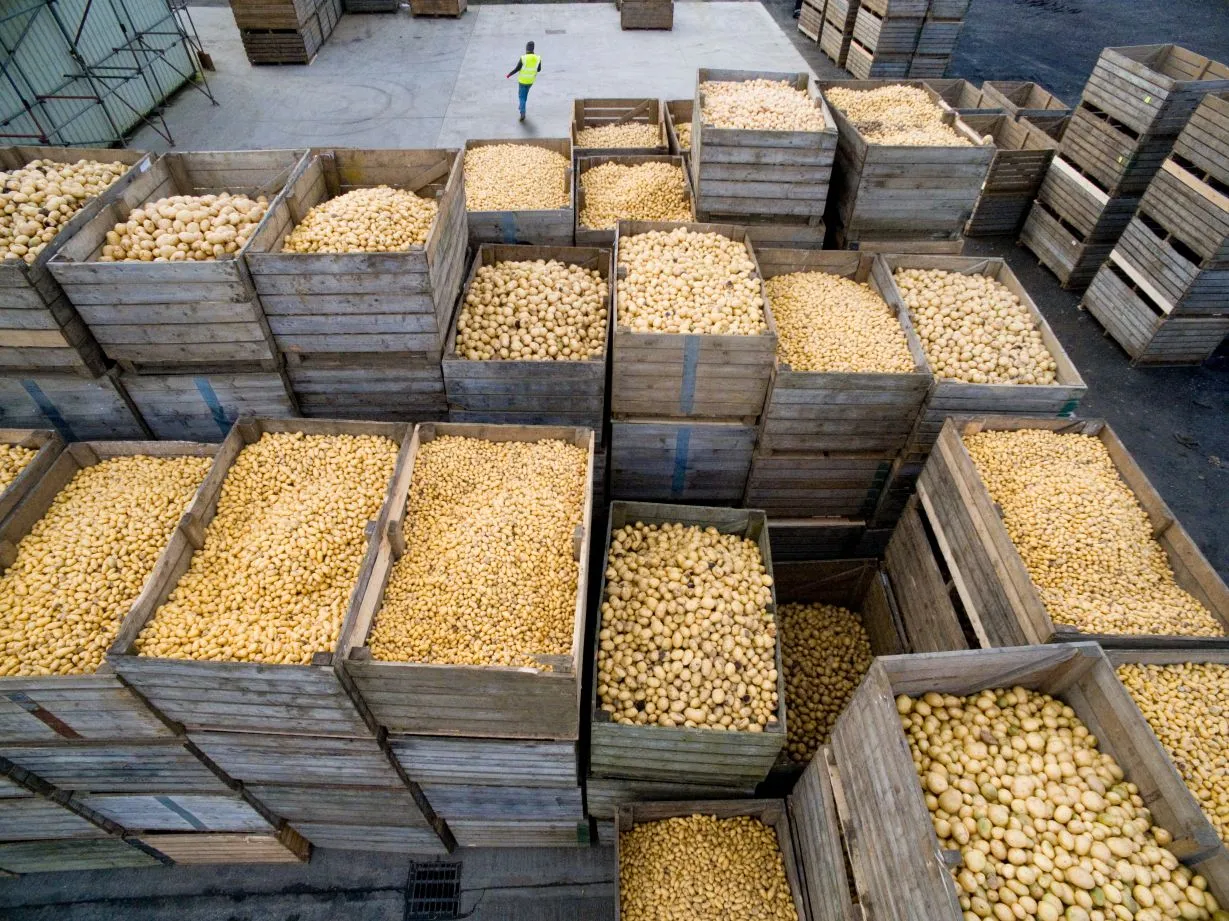
Harvest cycles, floral holidays, seafood seasons, retail promotions, and changing consumer demand can concentrate significant cargo volumes into relatively short periods. When those peaks arrive, refrigerated transportation, air cargo capacity, cold storage, handling resources, and distribution networks may all face increased pressure at the same time.
For exporters, importers, growers, distributors, and retailers, successful peak season logistics therefore begins long before the first high-volume shipment is ready to move.
Preparing a cold chain for peak perishable season requires forecasting shipment volumes early, securing refrigerated storage and transportation capacity, aligning logistics with harvest windows, preparing documentation, and establishing contingency options before demand peaks.
The objective is not simply to find enough transportation or warehouse space. It is to create enough coordinated capacity across the complete cold chain to keep sensitive products moving efficiently.
The seasonal planning principles explained in Export Seasons in Latin America: How to Plan Cold Chain Logistics for Peak Produce Windows demonstrate why logistics decisions should be aligned with agricultural calendars rather than made only after products are ready for export.
During high-volume periods, capacity itself becomes part of cold chain protection.
Why Peak Perishable Seasons Put Pressure on Cold Chains
A peak season creates a unique logistics challenge because multiple requirements increase simultaneously.
A large produce harvest, for example, may create additional demand for:
- Pre-cooling
- Refrigerated trucking
- Cold storage
- Warehouse labor
- Packaging
- Airport or port handling
- Air cargo or ocean capacity
- Customs processing
- Regional distribution
If one component cannot absorb the additional volume, a bottleneck can develop.
That bottleneck may increase dwell time elsewhere in the supply chain.
For temperature-sensitive products, waiting has consequences.
A shipment may remain within acceptable temperature conditions but still lose valuable commercial life while waiting for transportation, warehouse processing, or final distribution.
This is why peak season logistics should be approached as a complete network rather than as a collection of separate bookings.
Step 1: Forecast Volume Before the Season Begins
Effective planning starts with understanding what is likely to move, when it will move, and where it needs to go.
Forecasting may consider:
- Historical shipment volumes
- Expected harvest dates
- Production forecasts
- Customer orders
- Destination markets
- Promotional periods
- Previous seasonal bottlenecks
- Expected transportation requirements
For agricultural exporters, harvest calendars provide an especially useful planning foundation.
The Latin America Produce Export Calendar 2026: Complete Guide for Cold Chain Logistics helps connect major production windows with the logistics planning required to support seasonal exports.
However, forecasting should not focus only on total volume.
Logistics teams also need to understand how concentrated that volume will be.
Moving 100 shipments evenly across several months creates a very different capacity requirement from moving the same volume during a three-week harvest peak.
Better forecasting gives logistics providers more time to prepare transportation, storage, handling resources, and backup options.
Step 2: Secure Transportation Capacity Early
Transportation capacity can tighten rapidly during high-demand periods.
Air cargo space, refrigerated trucks, specialized equipment, and available routes may all become more difficult or expensive to secure when multiple exporters are competing for the same resources.
The relationship between agricultural cycles and transportation availability is explored further in Seasonal Produce Shipping: How Export Cycles Impact Transportation Capacity.
For high-value perishables, waiting until cargo is packed before securing transportation can create unnecessary peak season logistics risk.
Planning ahead may include:
- Estimating weekly transportation volumes
- Reserving capacity with core carriers
- Identifying alternative flights or routes
- Confirming refrigerated trucking availability
- Coordinating pickup schedules
- Planning for weekend or holiday constraints
- Establishing backup transportation options
The objective is not necessarily to eliminate every disruption.
Instead, early planning creates more options when conditions change.
If a flight is full or a refrigerated truck becomes unavailable, businesses with alternative capacity already identified can respond faster than those beginning the search after the disruption occurs.
Step 3: Plan Cold Storage for Throughput, Not Just Space
Cold storage planning during peak periods involves more than asking:
“How much warehouse space is available?”
A better question is:
“How much perishable cargo can the facility receive, process, store, and release efficiently during the peak?”
This distinction matters.
A warehouse may technically have sufficient square footage while still experiencing operational congestion because too many shipments arrive or depart within the same period.
Peak-season cold storage planning should consider:
- Available temperature zones
- Expected inbound volume
- Expected outbound volume
- Product compatibility
- Average dwell time
- Dock capacity
- Cross-docking requirements
- Labor availability
- Inventory rotation
- Refrigerated transportation schedules
The principles explained in How Cold Storage Extends Shelf Life and Reduces Losses in Perishable Supply Chains show why cold storage must balance environmental control with efficient product movement.
During peak season, this balance becomes even more important.
Excessive warehouse dwell time can reduce remaining shelf life even when temperatures remain appropriate.
Capacity, Storage, and Timing Must Be Planned Together
One of the biggest mistakes in peak season logistics is optimizing one resource without considering the others.
Securing additional transportation capacity does not solve the problem if the destination warehouse cannot receive the increased volume.
Likewise, reserving additional cold storage does little good if products cannot secure transportation out of origin.
A practical planning framework looks like this:
| Planning Area | Peak-Season Risk | Preparation Strategy |
|---|---|---|
| Transportation | Capacity shortage | Reserve core and backup capacity early |
| Cold storage | Space or throughput constraints | Forecast inbound/outbound volume |
| Handling | Terminal or warehouse congestion | Align labor and receiving schedules |
| Timing | Missed connections or long dwell | Coordinate around harvest windows |
| Documentation | Customs or inspection delays | Prepare documents before departure |
| Distribution | Destination bottlenecks | Confirm receiving and delivery capacity |
The location of cold storage also matters.
As discussed in Strategic Warehouse Locations: How LCX Fresh Supports Cold Chain Logistics Across Key U.S. Markets, proximity to airports, ports, highways, and major consumption markets can reduce unnecessary transportation and improve distribution efficiency.
During normal operations, these efficiencies are valuable.
During seasonal peaks, they can become critical.
Timing Is a Cold Chain Resource
Temperature is measurable. Warehouse capacity is measurable. Transportation space is measurable.
Time should be treated the same way.
Every unnecessary hour spent waiting at origin, inside a terminal, at a warehouse, or between transportation stages consumes part of a perishable product’s remaining commercial life.
This is why peak season logistics should connect the complete sequence:
Harvest → Pre-Cooling → Packing → Transportation → Gateway Handling → Cold Storage → Distribution → Customer
When these stages are planned independently, bottlenecks become more likely.
When they are coordinated around expected seasonal volume, businesses can move products faster, use available capacity more effectively, and protect more of the freshness and value created at origin.
Step 4: Align Logistics With Harvest and Demand Windows
Peak-season planning becomes much more effective when logistics schedules are built around the actual production cycle of the commodity.
Fresh produce volumes can increase rapidly when harvest windows open. Flowers may experience intense demand before major holidays. Seafood volumes can shift according to production seasons, catch availability, and market demand.
This means peak season logistics should connect expected product availability with transportation, storage, handling, and destination capacity.
Planning should consider:
- Expected harvest or production dates
- Weekly shipment forecasts
- Origin pickup capacity
- Pre-cooling requirements
- Flight or transportation schedules
- Destination warehouse availability
- Customer receiving schedules
- Weekend and holiday constraints
The goal is to avoid creating inventory faster than the logistics network can move it.
For fresh produce specifically, How Cold Chain Logistics Helps Extend Shelf Life for Fresh Produce explains why delays immediately after harvest can consume valuable commercial life that cannot simply be recovered later.
A well-planned peak season therefore synchronizes production and logistics rather than treating them as separate processes.
Step 5: Reduce Dwell Time During Volume Peaks
Higher shipment volumes can increase congestion at warehouses, terminals, inspection areas, and loading docks.
This makes dwell time an important peak-season performance indicator.
Even when products remain refrigerated, excessive waiting can reduce the amount of usable shelf life available after delivery.
Businesses can reduce unnecessary dwell time through:
- Scheduled receiving appointments
- Pre-arrival documentation
- Coordinated truck arrivals
- Efficient warehouse staging
- Cross-docking when appropriate
- Prioritized handling for highly sensitive cargo
- Advance communication with customers
- Faster inventory allocation
Cross-docking can be particularly valuable when products do not require extended storage. Moving cargo efficiently from inbound to outbound transportation reduces warehouse dwell while preserving cold chain continuity.
However, speed should never replace appropriate handling.
The objective is controlled efficiency: moving products faster without compromising temperature, documentation, inspection, or product integrity.
Step 6: Use Visibility to Manage Peak-Season Exceptions
As shipment volume increases, managing operations manually becomes more difficult.
A logistics team coordinating ten shipments has a very different visibility challenge from one managing hundreds of pallets across multiple origins, carriers, warehouses, and destinations.
Digital monitoring can provide information about:
- Shipment location
- Temperature
- Humidity where relevant
- Transit progress
- Arrival status
- Dwell time
- Route deviations
- Temperature excursions
The capabilities discussed in How Real-Time Monitoring Is Transforming Temperature-Controlled Logistics become particularly valuable during seasonal peaks because teams can focus attention on shipments that require intervention rather than treating every shipment as an exception.
Visibility does not create additional capacity.
But it can help businesses use available capacity more intelligently and react faster when disruptions occur.
Step 7: Build Backup Capacity Before You Need It
Peak periods leave less room for improvisation.
If a primary flight becomes unavailable, a refrigerated truck breaks down, or a warehouse reaches capacity, finding an alternative during the height of the season may be difficult.
Contingency planning should therefore happen before volume peaks.
Potential backup strategies include:
- Alternative flights
- Secondary carriers
- Backup refrigerated trucking
- Alternative warehouse locations
- Additional cold storage capacity
- Secondary gateways
- Emergency cross-docking options
- Alternative distribution routes
The vulnerabilities identified in Cold Chain Risk Management: Where Perishable Shipments Are Most Vulnerable demonstrate why contingency planning is particularly important at handoffs and other points where delays can quickly affect product condition.
The objective is not to pay for unnecessary capacity everywhere.
It is to know where alternatives exist and how quickly they can be activated.
Different Peaks Create Different Logistics Challenges
Not every perishable peak season behaves the same way.
Fresh Produce
Produce peaks are closely connected to harvest cycles.
High volumes may enter the supply chain within relatively narrow windows, creating simultaneous demand for pre-cooling, refrigerated transportation, storage, and distribution.
Exporters need to coordinate logistics capacity with actual harvest expectations rather than relying exclusively on historical shipping schedules.
Flowers
Floral logistics can experience exceptionally concentrated demand before holidays such as Valentine’s Day and Mother’s Day.
Large volumes may need to move within only a few days while maintaining appropriate temperature, humidity, handling, and transportation conditions.
Because the selling window is tied to a specific date, a late shipment can lose significant commercial value even if the flowers remain in acceptable condition.
Seafood
Seafood logistics combines seasonal availability with strict time and temperature requirements.
Fresh products may have limited tolerance for transportation delays, making reliable capacity and contingency options especially important during periods of high demand.
These examples reinforce why peak season logistics must be commodity-specific.
What Happens When Capacity Is Not Planned?
Insufficient capacity can create a chain reaction.
Capacity Shortage → Delay → Increased Dwell Time → Reduced Shelf Life → Quality Risk → Potential Rejection or Waste → Higher Cost
A transportation problem can become a storage problem.
A warehouse bottleneck can become a distribution problem.
A documentation delay can become a temperature-control problem.
This is why capacity should be viewed as part of cold chain protection rather than simply a procurement issue.
Specialized providers can help coordinate these interconnected resources. As discussed in Why Exporters Trust Specialized Cold Chain Providers for High-Value Perishables, cold chain expertise becomes particularly valuable when transportation, storage, handling, visibility, and contingency planning must operate as one system.
Peak-Season Cold Chain Checklist
Before a major perishable season begins, businesses should confirm:
- Expected weekly shipment volumes
- Commodity-specific temperature requirements
- Pre-cooling capacity
- Primary transportation bookings
- Backup transportation options
- Refrigerated storage capacity
- Warehouse throughput capability
- Receiving and distribution schedules
- Import and customs documentation
- Monitoring procedures
- Emergency contacts
- Alternative routing or storage options
The earlier these elements are confirmed, the more flexibility businesses retain when actual volumes or market conditions differ from forecasts.
Frequently Asked Questions
How do you prepare a cold chain for peak season?
Begin by forecasting volumes, aligning logistics with production windows, reserving transportation and refrigerated storage, preparing documentation, coordinating destination capacity, and establishing backup options.
When should perishable transportation capacity be booked?
There is no universal booking window. Capacity should be planned as early as reliable production and demand forecasts allow, particularly for high-demand routes and highly seasonal commodities.
Why is cold storage capacity important during peak seasons?
Cold storage provides controlled space between transportation and distribution, but facilities must also have sufficient throughput, labor, dock access, and temperature-zone capacity to process higher seasonal volumes efficiently.
How can exporters reduce peak-season delays?
Advance bookings, accurate documentation, coordinated receiving schedules, visibility tools, alternative routes, and backup transportation or storage can help reduce preventable delays.
Can cross-docking help during peak perishable seasons?
Yes. When appropriate for the shipment, cross-docking can reduce storage time by transferring products efficiently from inbound to outbound transportation.
Why does timing matter in peak season logistics?
Perishables continue losing commercial life after harvest or production. Unnecessary delays consume part of the product’s remaining selling window even when refrigeration remains appropriate.
Conclusion
Preparing cold chains for seasonal peaks requires more than securing additional warehouse space or transportation.
Successful peak season logistics coordinates capacity, storage, timing, handling, documentation, visibility, and contingency planning around the actual movement of perishable products.
Forecasting provides the foundation.
Early transportation planning helps protect capacity.
Strategic cold storage keeps products controlled while supporting efficient throughput.
Visibility helps teams identify exceptions.
Contingency planning creates alternatives when the original plan changes.
Most importantly, these elements must work together.
During peak perishable seasons, capacity is part of cold chain protection because every bottleneck has the potential to create additional dwell time and consume valuable product life.
Businesses that prepare before volumes increase are better positioned to protect freshness, reduce losses, respond to disruptions, and maintain reliable service when cold chain networks are under their greatest pressure.