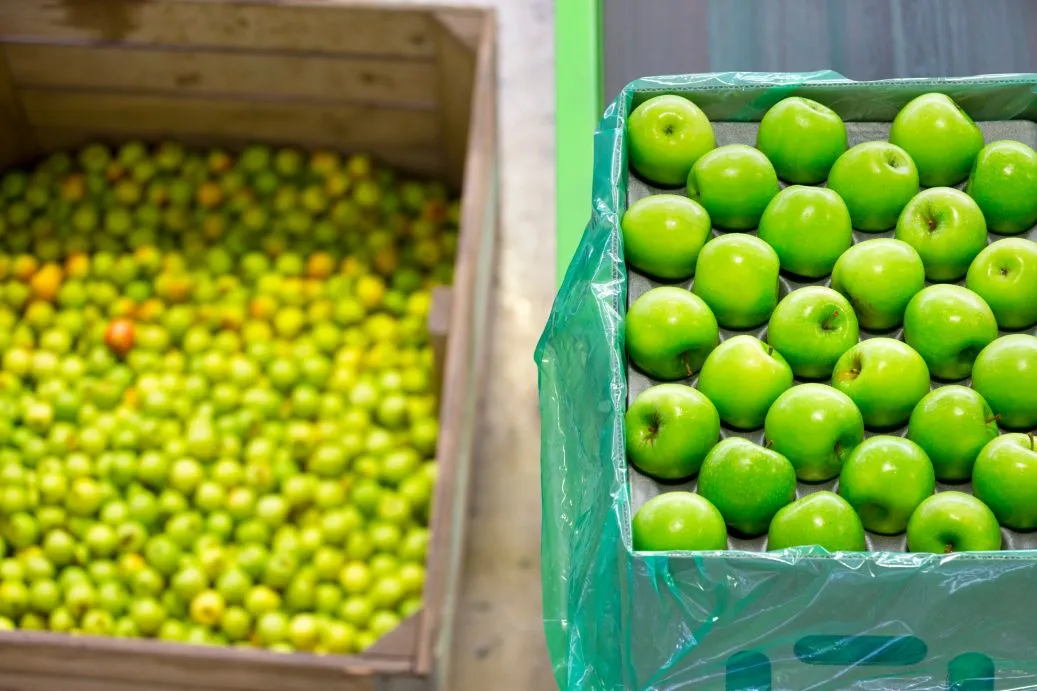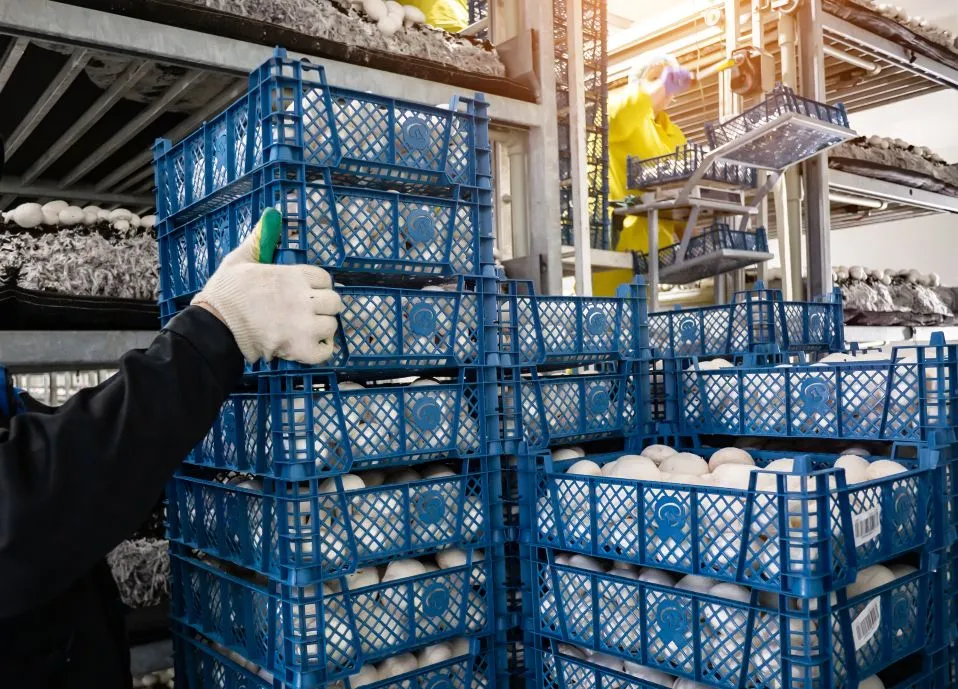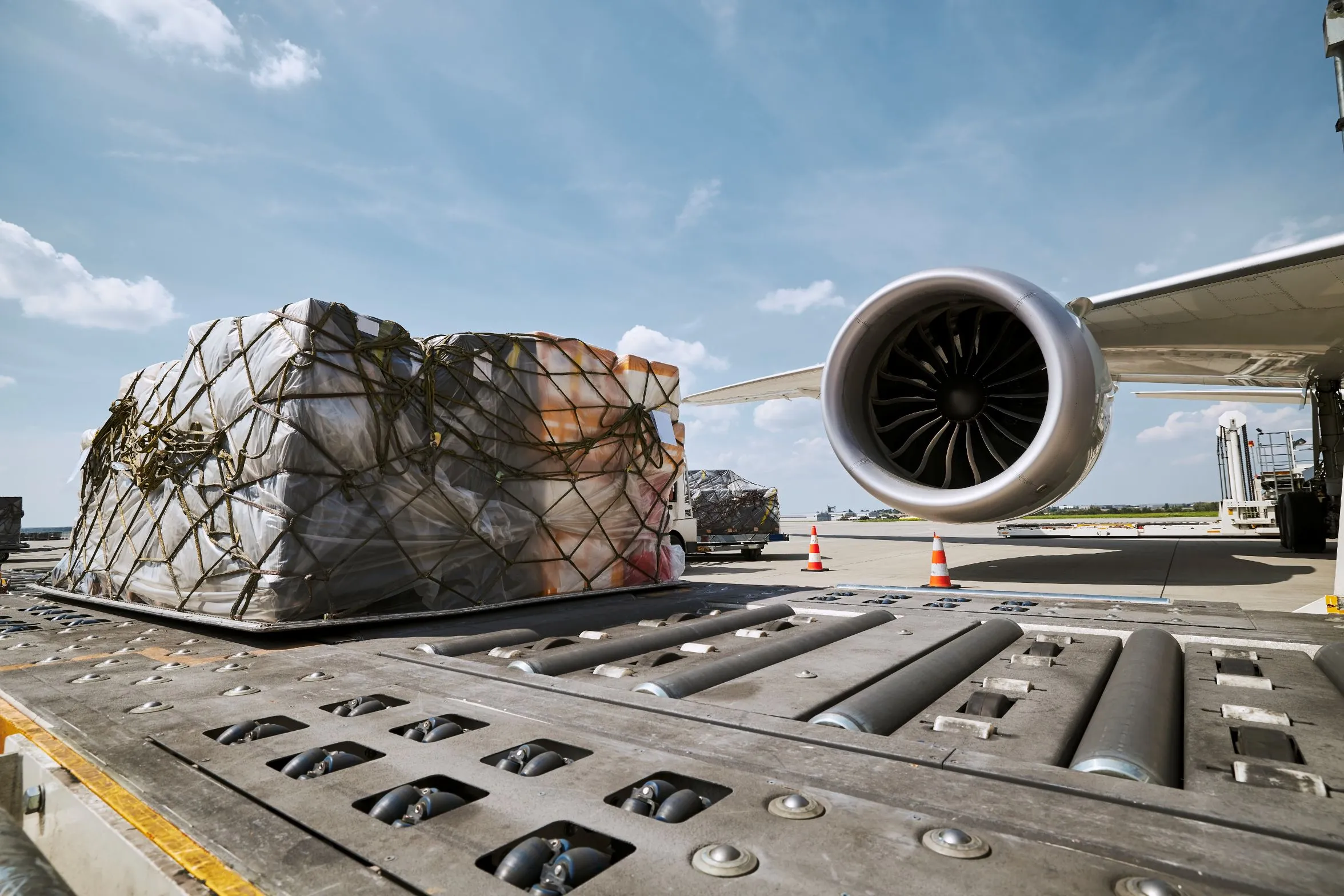
In the world of global perishables logistics, timing is everything. Products like fresh berries, seafood, flowers, and pharmaceuticals depend on rapid transportation to maintain quality and shelf life. This is why air freight perishables solutions are a critical component of modern supply chains.
However, while air freight offers unmatched speed, it also comes with higher costs compared to other transportation modes. The challenge for exporters and logistics providers is finding the right balance between speed and cost without compromising product integrity.
Why Air Freight Is Essential for Perishables
Air freight is essential for shipping high-value or time-sensitive goods like pharmaceuticals, fresh produce, and electronics.
While ocean freight can take weeks or months, air freight shipping cuts transit time down to just a few days. This speed is critical for perishable items, as it reduces the risk of spoilage and damage from temperature changes. By choosing air cargo, businesses can ensure their products arrive at their destination quickly and in perfect condition.
Key advantages of air freight perishables include:
- Faster delivery times
- Reduced spoilage risk
- Greater market reach
- Improved product quality upon arrival
According to the International Air Transport Association (IATA), standardized handling procedures are essential to maintaining the integrity of perishable goods during air transport.
https://www.iata.org/en/programs/cargo/perishables/
The Cost Structure of Air Freight
While speed is a major advantage, cost remains a key consideration.
Air freight costs typically include:
- fuel surcharges
- cargo handling fees
- temperature-controlled container costs
- airport and security charges
To optimize air freight perishables, therefore, companies must evaluate the value of the cargo relative to transportation costs.
When Air Freight Makes Strategic Sense
Air freight is ideal for:
- high-value goods (berries, seafood, flowers)
- time-sensitive shipments
- products with short shelf life
- premium market deliveries
By using air freight perishables strategically, companies can maximize profitability while minimizing waste.
Temperature Control in Air Freight
Maintaining temperature stability during air transport is critical.
Key solutions include:
- active temperature-controlled containers
- insulated packaging
- rapid ground handling procedures
For instance, organizations like GS1 emphasize traceability as a key factor in maintaining supply chain integrity.
https://www.gs1.org/standards/traceability
Balancing Speed vs Cost
To optimize operations, companies often use hybrid strategies:
- combining air and ocean freight
- prioritizing urgent shipments via air
- consolidating cargo to reduce costs
The World Bank highlights that efficient logistics strategies improve global trade competitiveness.
https://www.worldbank.org/en/topic/trade
Reducing Waste Through Faster Transit
Faster transit directly reduces spoilage. According to the Food and Agriculture Organization (FAO), improving logistics efficiency is key to reducing global food loss.
https://www.fao.org/food-loss-and-food-waste/en/
Conclusion
Air freight is a vital component of the cold chain, offering speed and efficiency for shipping temperature-sensitive goods, like perishables, over long distances. By carefully balancing speed and cost, companies can leverage air freight perishables solutions to deliver high-quality products while maintaining profitability.